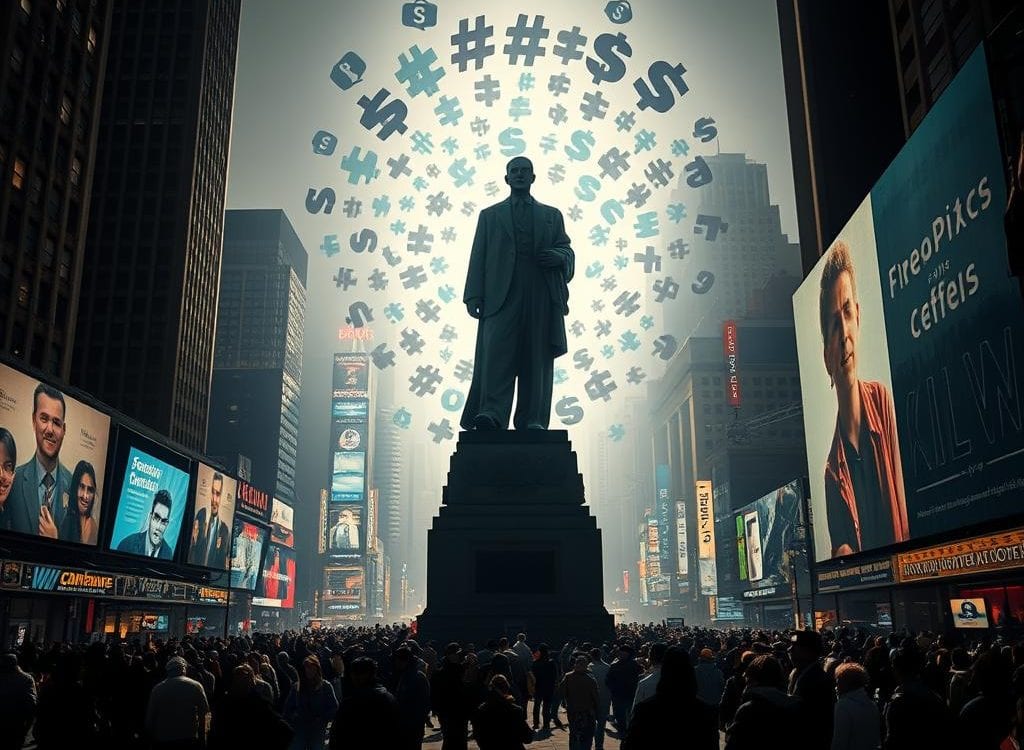
Cancel Culture: Holding People Accountable or Too Extreme?
Did you know 44% of U.S. adults have heard a lot about cancel culture? This topic is a big deal in our country’s politics and culture. It’s about whether cancel culture is fair in keeping people accountable or if it goes too far.
People’s views on this issue change based on their age, politics, and education. It’s interesting to see that 64% of adults under 30 know about cancel culture. But only 34% of those 50 and older do. This shows how different generations see cancel culture in different ways.
Some see it as a way to make sure people are held accountable. Others think it’s just about internet outrage and censorship.
Key Takeaways
- 44% of U.S. adults are aware of cancel culture, with younger adults being more familiar with the concept.
- Different demographic groups perceive cancel culture in varied ways, influencing their attitude toward accountability.
- Cancel culture has roots in Black culture, originally popularized through expressions on social media.
- Many view cancel culture as a tool for social justice, while others see it as censorship.
- The impact of being “canceled” often varies for individuals based on their financial stability and social standing.
- Public responses to cancel culture frequently focus on individuals, not the bigger issues.
Understanding Cancel Culture and Its Origins
Cancel culture is a big part of today’s online world. It started around 2018 and often means something negative. It comes from a 1981 song and a 1991 movie, which made it popular in African-American Vernacular English.
By 2015, it was a big deal online, thanks to Black Twitter. People used it to show they no longer supported someone or their work.
The Evolution of the Term
Cancel culture has changed a lot over time. At first, it was about people working together to hold others accountable. The term “call-out culture” is sometimes used instead, meaning the same thing.
The #MeToo movement in 2017 made it clear how serious cancel culture can be. It led to people losing their jobs and facing big challenges to their reputation.
Cancel Culture vs. Accountability
People often talk about the fine line between holding someone accountable and punishing them. Some see it as a way to show wrongdoings, while others think it’s unfair.
Young people tend to think it’s okay to call out bad behavior online. But older folks might see it as a threat to free speech.
Public Perception
How people view cancel culture is changing. A Pew Research Center survey found that many Americans understand it, but opinions vary a lot.
Younger people often see it as a good thing, exposing bad behavior. But older, more conservative folks might see it as a way to silence others.
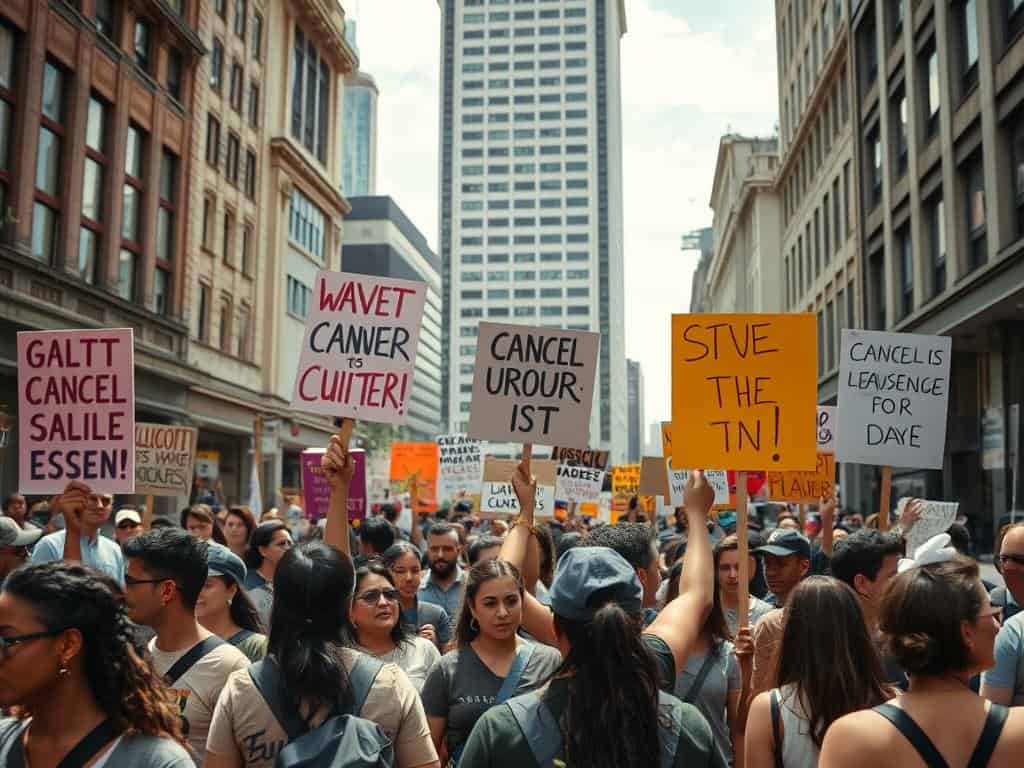
Effects on Free Speech and Social Justice
Cancel culture affects free speech and social justice in complex ways. It raises questions about accountability versus censorship. Critics say it has made people afraid to share their true thoughts.
For example, JK Rowling faced backlash for her comments. This has led some Republicans to see cancel culture as a threat to free speech.
Others see social media accountability as key to changing harmful speech. Writers like Salman Rushdie and Margaret Atwood have spoken out. They believe in keeping a space for honest conversations.
Academics like Kathleen Stock have also faced backlash. This shows the challenges in balancing free speech with social justice.
Social justice movements, like #BlackLivesMatter, use public accountability to highlight injustices. They aim to amplify marginalized voices. This approach is different from simply shaming people.
Yet, cancel culture can make young people hesitant to speak out. A study found many feel scared to discuss important issues like climate change.
Instances like police investigating social media posts show the ongoing debate on free speech. A Michigan teacher was fired for pro-Trump tweets. This highlights the risk of expressing opinions today.
45% of people have stopped sharing their thoughts because of fear. This shows the chilling effect of cancel culture.
Despite this, cancel culture can also hold people accountable. For example, Andrew Cuomo faced public outrage and consequences. Yet, cases like David Shor’s show how it can also silence public discourse.
Conclusion
Cancel culture is a complex topic. It helps hold people accountable for wrong actions, which is important today. But, it can also be seen as unfair punishment instead of a way to improve things.
We need to think about the risks of cancel culture. This is true, even more so in today’s world where it’s easy to silence voices. It’s important to remember that free speech is a big deal.
Looking at cancel culture, it’s clear it has both good and bad sides. It lets marginalized voices be heard, but it can also lead to online bullying. Famous cases show both its power and its dangers.
Despite the #MeToo movement’s big impact, only a few people faced real consequences. This shows how unfair our justice system can be. It’s a big problem we need to fix.
We must talk about cancel culture carefully and think deeply about it. We should focus on learning from mistakes, not just getting angry. Finding a balance is key to making real change without hurting free speech.

Leave a Reply
You must be logged in to post a comment.