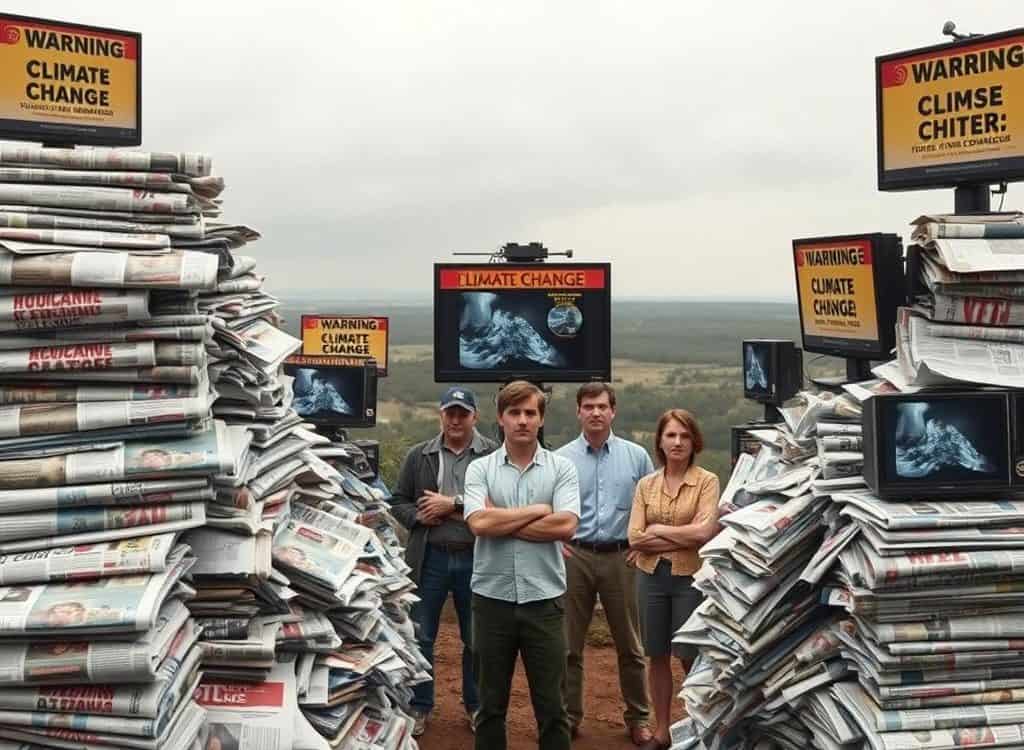
Is Climate Change as Urgent as They Say?
Did you know the 10 warmest years on Earth happened after 2014? This fact shows how urgent our climate situation is. The debate on climate change’s urgency is intense. Scientists say we must act fast, but many doubt the severity of global warming.
This debate makes me think about our stories, how they shape our policies, and influence activism. Is climate change a real threat, or is it just a warning? Understanding these views is key to seeing the big picture of our climate response.
Key Takeaways
- The 10 warmest years on record have all taken place after 2014.
- Extreme weather events are becoming more frequent and intense due to climate change.
- Climate change effects are no longer a future concern; they are happening now.
- Significant glacial retreat has unveiled new coastlines, mainly in Greenland.
- Increased marine heatwaves have led to severe coral bleaching events.
- China’s renewable energy initiatives reflect the urgent transition needed for carbon neutrality.
Understanding the Urgency of Climate Change
The science is clear: climate change is urgent. Studies show that human actions are causing most of the warming. The Intergovernmental Panel on Climate Change (IPCC) says global temperatures are rising because of these actions.
Melting ice in Greenland and Antarctica is a big worry. It could lead to sea levels rising by up to 25 feet from Greenland’s ice alone. This is a problem we can’t ignore.
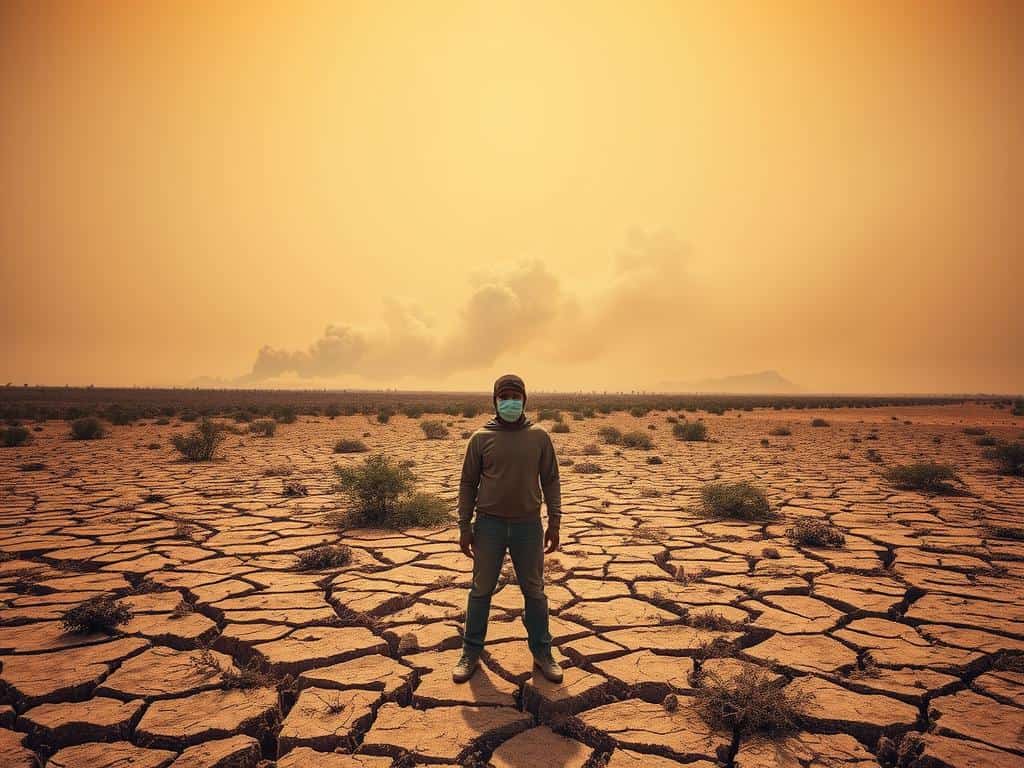
The Science Behind Climate Change
Ice sheets are getting close to tipping points. This means they could melt a lot with just a few more degrees of warming. The effects of today’s emissions will be felt for centuries.
The “time value of carbon” concept is scary. Every year we wait, we lose about 7% of our chance to fight climate change. We must act now to avoid these effects.
Public Perception and Awareness
Not everyone knows about the climate crisis. Only 46% of Americans say human activity causes global warming. 14% doubt the warming evidence.
Many see extreme weather as natural, not caused by climate change. People often prefer local actions over big changes to fight emissions. This makes it hard to agree on climate solutions.
Climate Change Hype: Analyzing the Skepticism
There’s a lot of skepticism about climate change out there. Studies have shed light on why this is, focusing on media bias and how science is shared. Understanding these points helps us see why some people doubt climate change.
Insights from Recent Studies
A Pew Research Center study found that scary talk about climate change can make people doubt it. Some think the problem is being blown out of proportion. This doubt can grow when experts like Anthony Watts question old climate data.
Media Trust Issues
People don’t always trust the news about climate change. They think the media focuses on shocking stories instead of facts. This feeling is fueled by claims that governments use scary stories to push their agendas.
Role of Scientific Communication
Good science communication is key to fighting skepticism. Scientists are often seen as more trustworthy than the media. But, they face challenges from political bias. The Intergovernmental Panel on Climate Change says most warming is human-caused, but reports often mention doubts.
Personal stories can influence people more than scientific facts. This shows how important it is to share climate science clearly and without bias.
Conclusion
Looking at climate change, we see how urgent it is to take action. Some, like over 50 members of the American Meteorological Society, question the facts. This makes us think about how we share climate science with the world.
Effective activism is about finding the right balance. It’s about pushing for action while listening to different views. This balance is key to making a change.
Studies show most scientists agree on climate change. But, some voices raise questions about the evidence. They point out the need for clear proof, like in extreme weather cases.
To really care for our planet, we must face these doubts. We need solid evidence to back our claims. This ensures our arguments are strong and based on real knowledge.
It’s vital to connect science with what people think. We all need to work together for real change. By doing this, we can create policies that work for our planet and society.
Together, scientists, activists, and the public can make a difference. We can create a future where everyone plays a part. This is how we ensure a sustainable world for all.

Leave a Reply
You must be logged in to post a comment.