Are 15-Minute Cities the Future or a Control Tactic?
Did you know 62% of Britons like the idea of 15-minute cities? This idea makes daily needs easy to reach in 15 minutes by walking or cycling. Cities like Paris and Seattle are leading this movement. But, the debate on 15-minute cities is ongoing.
Supporters say it’s good for the planet and cuts down on pollution. Critics worry it might take away our freedom to move around. They fear it could lead to controlling how we live.
The idea was started by urban planner Carlos Moreno. He wanted to bring people together by making local services available. But, UK Prime Minister Rishi Sunak has raised concerns. He thinks it might limit our freedom more than it helps us.
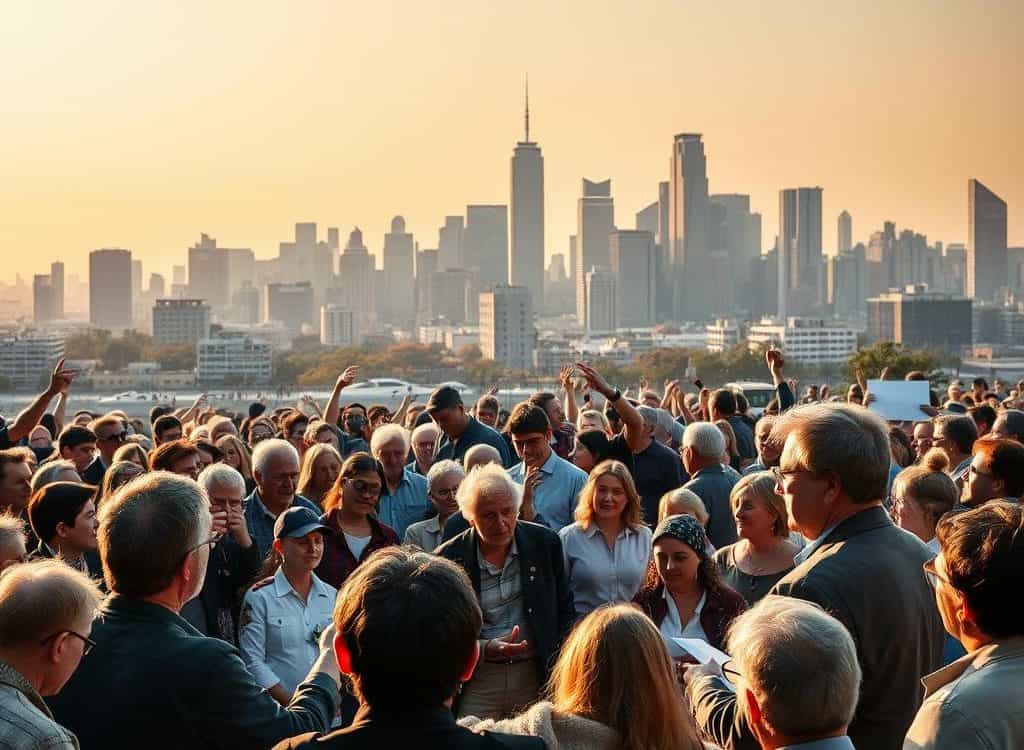
Protests in Canada and Spain show people are worried. They wonder if these changes are making cities better or controlling us. It’s important to understand both sides of this argument.
Key Takeaways
- The 15-minute city concept prioritizes accessibility to essential services within a short walking or cycling distance.
- Support from the public contrasts sharply with governmental criticism regarding individual freedoms.
- Protests against the model highlight fears of social engineering and gentrification.
- The conversation is polarized between environmental sustainability and individual rights.
- Urban planners must navigate complex public sentiments and misinformation.
Understanding 15-Minute Cities
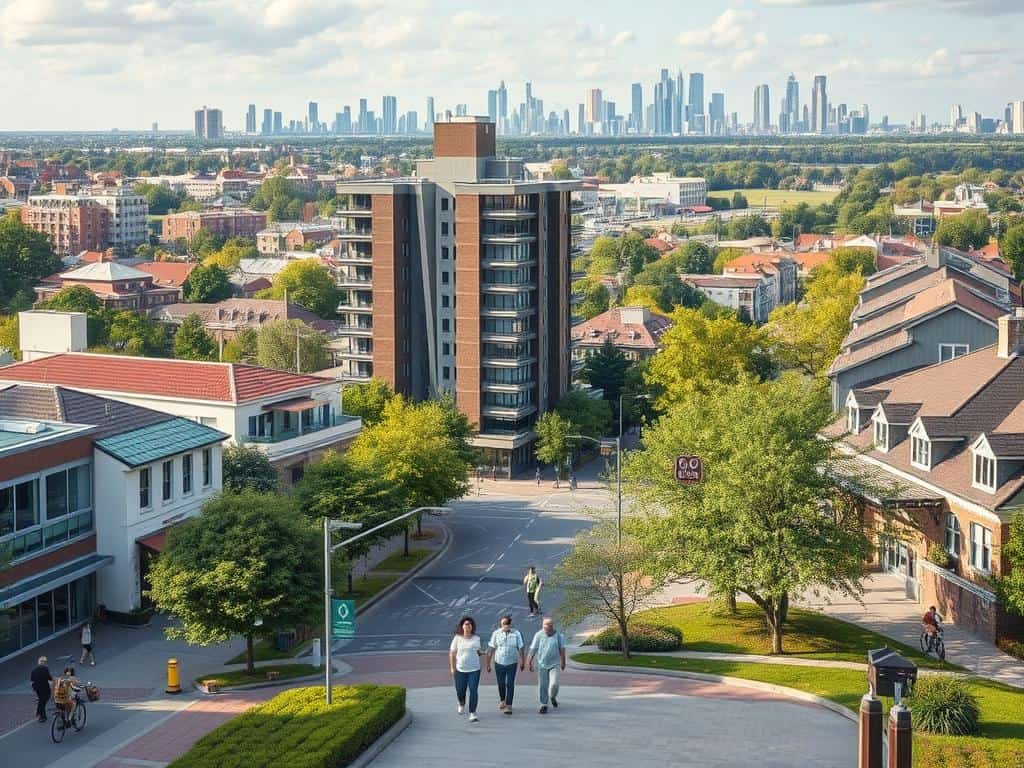
The 15-Minute City idea makes cities where you can walk or bike to work, shops, and schools. It’s about making cities better for people, with a focus on walking and biking. This design helps build community and cuts down on car use.
Definition and Concept
A 15-Minute City is all about making neighborhoods people-friendly. It’s about walking, biking, or using public transport. A study found that many people already walk to places within 15 minutes.
There’s a chance to make more areas accessible in 20-30 minutes. This could make life easier and healthier. Cities like Portland want 90% of residents to reach daily needs in 15 minutes by 2030.
Origin of the Concept
The 15-Minute City idea started in the early 20th century. But it got a new boost in 2016 from urban planner Carlos Moreno. He wanted to make neighborhoods strong and fair for everyone.
Cities like Cedar Rapids are working to make this idea real. They’re focusing on areas that need more help. But, there are challenges, like making sure everyone feels welcome and addressing inequality.
Research shows that kids from poorer families have less access to city amenities. This creates big gaps in education and social life. It shows how important it is to make cities fair for all.
The 15-Minute Cities Debate
The debate on 15-Minute Cities is filled with strong opinions. Supporters see it as a way to make cities better. They believe it will make life more sustainable and improve health.
They say it will make communities more vibrant and reduce the need for cars. This could lead to cleaner air and more chances to be active.
Supporters’ Perspective
Advocates think 15-Minute Cities will make people healthier and happier. They say it will help people get to know their neighbors better. This could fight loneliness in big cities.
They also believe it will help the environment by cutting down on pollution. This is a big win for our planet.
Critics’ Concerns
But, not everyone agrees. Critics in the UK see it as a threat to freedom. They worry it could limit where people can go.
There have been protests, like in Oxford, against these changes. People with disabilities are also concerned. They fear their needs won’t be met.
Some worry that too many people in one area could cause problems. This could be a big issue during emergencies, like pandemics.
Global Examples of 15-Minute Cities
Cities worldwide are adopting the 15-Minute City model. This approach makes urban living better by bringing services like education and healthcare close to home. It aims to improve life for everyone in the city.
Prominent Implementations
Paris is a leading example, thanks to Carlos Moreno’s work in 2016. Mayor Anne Hidalgo has made Paris a model for sustainable living. Oxford, UK, is also working towards a 2040 vision that includes the 15-Minute City principles.
In London, many places are just a 15-minute walk away. This shows how urban design can make a big difference. Cities like Phnom Penh and Bangalore are also trying this model, but they face challenges.
Outcomes and Challenges
The 15-Minute City model has its benefits, but it also has critics. In Glasgow, there’s a big gap in life expectancy between neighborhoods. This shows the risk of widening social divides.
Research by Edward Glaeser suggests that rich areas might benefit more. But poor areas could feel left out. Poor kids in rich cities might not have easy access to important services. This raises big questions about the model’s impact on society.
Conclusion
The 15-Minute Cities concept is a big step forward in urban planning. It aims to make cities better places to live, focusing on health and sustainability. This idea makes cities more accessible and encourages people to get involved in their communities.
It also tackles big issues like climate change and economic problems. The idea is flexible, fitting different cities in unique ways. This means it’s not a one-size-fits-all solution for all cities.
During the pandemic, people became more interested in 15-Minute Cities. This led to big changes, like making high streets more lively and useful. Places like King’s Cross in London and West Kowloon in Hong Kong show how well this idea can work.
But, there are also worries. Some say it might make cities more divided and limit chances for people in poorer areas. This is a concern that needs to be addressed.
The future of 15-Minute Cities looks bright, but we need to be careful. We must make sure everyone has a fair chance to benefit. By focusing on making cities better for all, we can create places where everyone can do well.

Leave a Reply
You must be logged in to post a comment.