
Is a College Degree Stil Worth It?
Did you know only 41% of young adults think colleges and universities are good for the country? This is from the Pew Research Center. It shows a big change in how people see the value of higher education.
For years, getting a college degree was seen as a way to get better jobs and earn more. But now, with more student debt and companies like Google not needing degrees for some jobs, we wonder if it’s worth it. I’ll look into the current job and money outcomes of college degrees, how people see their importance, and how debt affects choices to go to college.
Key Takeaways
- The perception of college’s value is declining, with 51% of young adults viewing colleges negatively.
- Major companies prioritize skills and experience over college degrees.
- Student debt concerns are significant in influencing education choices.
- Online learning platforms are stressing practical knowledge, but completion rates are low.
- The ROI on a college degree can be positive within 5 to 10 years.
Understanding the Current Value of a College Degree
The world of college education is changing fast. It’s key to look at the value of a degree today. Young adults face mixed economic outcomes, shaped by many factors. These factors affect their beliefs about education and job prospects.
Is getting a college degree a good choice in today’s job market? We need to understand this to make informed decisions.
The Economic Outcomes for Young Adults with and without Degrees
Young adults with a college degree have big financial advantages. They earn nearly $29,000 more a year than those without a degree. This wage gap has grown a lot over the years.
Some college majors can lead to earning $1.5 million more over a lifetime. This shows how important a degree can be when choosing what to study.
Public Perception of College Importance
But, people’s views on college are changing. Only 41% of young adults think getting a degree is very important. This is a drop from before.
Many doubt that college is the only way to get good jobs. This doubt is stronger among those who didn’t go to college. They see value in other paths like certifications and training on the job.
The Influence of Student Debt on Educational Decisions
Student debt is a big worry for many. It affects their choices about going to college. About 22% think a degree is only worth it if they don’t have to take on debt.
Concerns about the cost and whether it’s worth it are growing. Students are weighing the pros and cons of college. It’s clear that understanding these trade-offs is key to seeing the true value of a degree.
Will Colleges Survive?
Looking into the future of higher education, I see a big worry about college enrollment. People are questioning the value of college because of high tuition, changing views, and growing student debt. These issues could harm colleges in the years ahead.
Declining Enrollment and Changing Attitudes
The way people view college has changed a lot. Funding cuts have made it hard for many schools to stay afloat. With fewer students expected in the next decade, colleges face a big risk of closing.
Hampshire College is a good example. It lost 20% of its students between 2014 and 2019, leading to a big drop in income. Schools are now trying to find quick fixes, but these don’t solve the long-term problems.
Rising Tuition Costs and the Effects of Student Debt
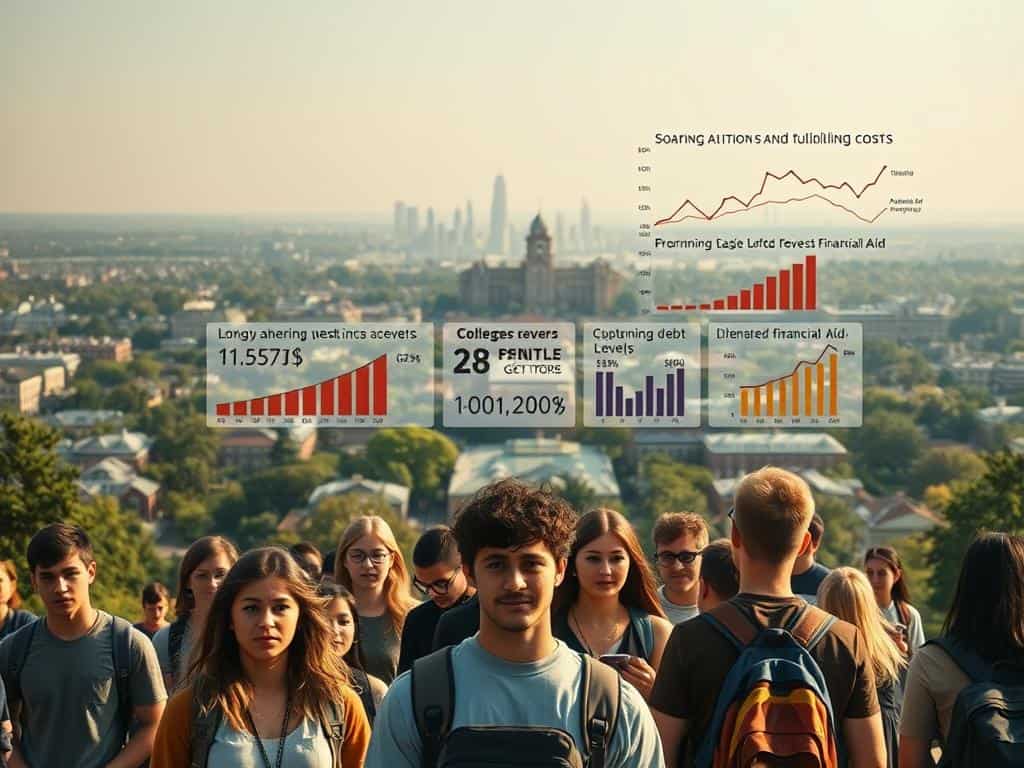
Higher tuition costs make college less affordable for many. The average cost has gone up too much, making families think twice about college. Some schools give more financial aid, but this doesn’t solve the problem of high costs.
Student debt is a big issue for graduates. They struggle to find good jobs while paying off their loans. Colleges are trying to cut costs, like reducing faculty or improving facilities. But these efforts don’t really fix the main problems of access and affordability.
Conclusion
The world of higher education is changing fast. This change makes us question the value of a college degree. Today, a college degree is important for many jobs, but other paths are becoming more viable too.
Colleges are starting to change to meet new needs in the job market. This shift is key for their survival. Top colleges have strong brands and big funds, helping them stay relevant. But, other colleges face big challenges.
These colleges might struggle to stay open as student numbers drop. Up to 15% fewer students could enroll by 2029. This could lead to 80 colleges closing, affecting thousands of people.
Now, it’s time for students and colleges to rethink what they offer. The future might see colleges merging, creating a new education scene. It’s vital to focus on quality education that prepares students for the job market.
As we move forward, it’s important to understand these changes. This knowledge helps anyone thinking about their future in college.

Leave a Reply
You must be logged in to post a comment.