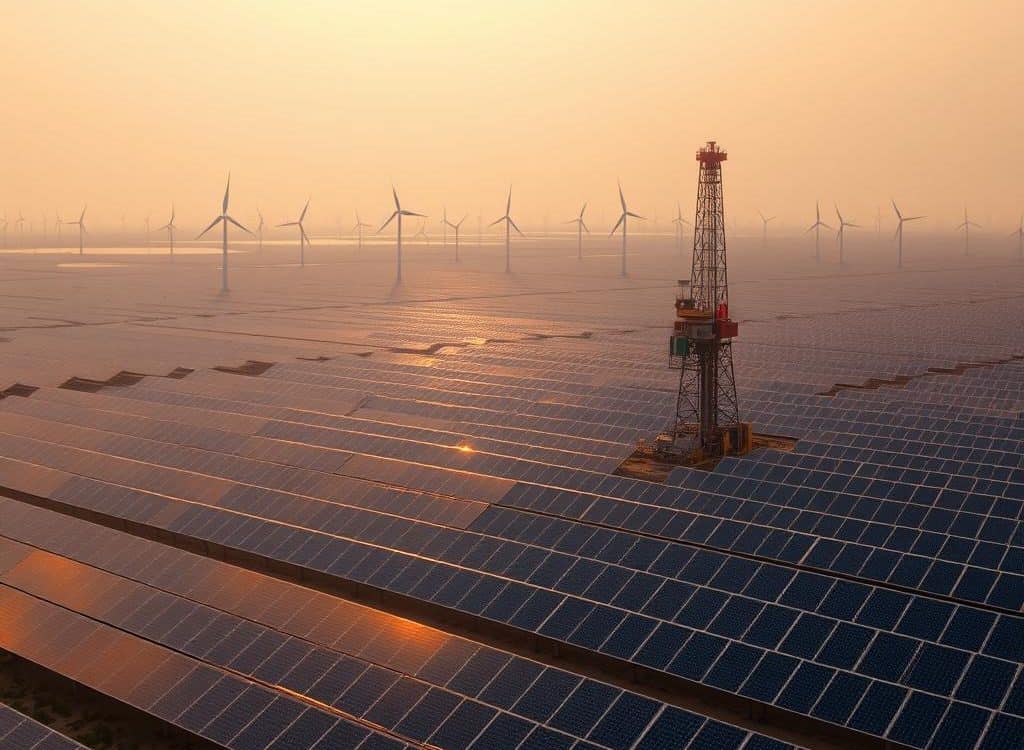
Will the World Run Out of Energy?
Did you know that if we keep using energy at the same rate, we might run out of oil by 2052? This is a big problem because we rely so much on fossil fuels, which make up about 80% of our energy. Looking into our energy use is key to understanding its impact on our planet and future.
Experts say fossil fuels will make up 73% of our energy by 2030. But the big question is, can we switch to sustainable energy in time? Renewable energy, like solar power and electric cars, gives us hope. But changing to sustainable energy is hard.
Exploring these topics shows how urgent it is to change our energy use. This change is important for our future and the future of our planet.
Key Takeaways
- Global electric car fleet is expected to increase almost tenfold by 2030.
- Renewables’ share of the global electricity mix is projected to reach nearly 50% by 2030.
- Fossil fuels’ share in energy supply could drop to 73% by 2030.
- Investment in new offshore wind projects is set to triple compared to new coal and gas plants.
- Animal waste can potentially supply about one-third of the energy provided by coal.
- Deployment of new solar PV capacity could significantly cut coal-fired power generation in China.
- The solar energy we have is just a tiny fraction of what’s possible.
Understanding the Current Energy Landscape
The energy world has changed a lot. People are using more energy than ever before. This has made us look closer at how we get our energy.
Fossil fuels like coal, oil, and natural gas are key. They make up over 70% of the energy we use today. This shows how important they are for our energy needs.
The Rise of Global Energy Demand
Last year, the world used 2.1% more energy. This shows a big trend in how much energy we use. It affects markets and policies all over the world.
Many things rely on oil, coal, and natural gas. This makes it hard for countries to find a balance. They want to keep energy flowing while also protecting the environment.
Overview of Fossil Fuel Reserves
Fossil fuel reserves are a big concern. Coal can last 133 to 150 years at current rates. Oil might only last 47 to 56 years.
Natural gas reserves are in a middle range. They could last 49 to 120 years. These numbers show that some fossil fuels are plentiful, but we need to plan carefully. We also need to think about using other energy sources.
The Energy Crisis and Its Implications
The energy crisis is a critical moment for how we use and make energy worldwide. It started getting worse in 2021, due to the fast economic recovery after the pandemic and Russia’s invasion of Ukraine in 2022. We need to switch to renewable energy fast, as using traditional fuels is no longer working.
Transitioning to Renewable Power
Natural gas prices have hit record highs, making electricity more expensive. Europe, which depends a lot on Russian gas, is facing serious problems. Countries are dealing with high energy costs and fuel shortages.
This has made it urgent to move to renewable energy. The EU and the U.S. are taking steps to improve energy efficiency and invest in clean energy. They are committing up to USD 1.1 trillion to clean energy, showing a big change in government focus.
Challenges in Adopting Renewable Energy Sources
Switching to renewable energy is hard. Weather issues like droughts in Brazil and changing wind in Europe have cut down renewable energy output. This has made us rely more on fossil fuels.
The electricity grid also struggles to handle renewable energy. Energy storage technologies could help, but we need more investment. The ongoing energy supply problems, like the Russia-Ukraine conflict, remind us of the 1970s oil crisis.
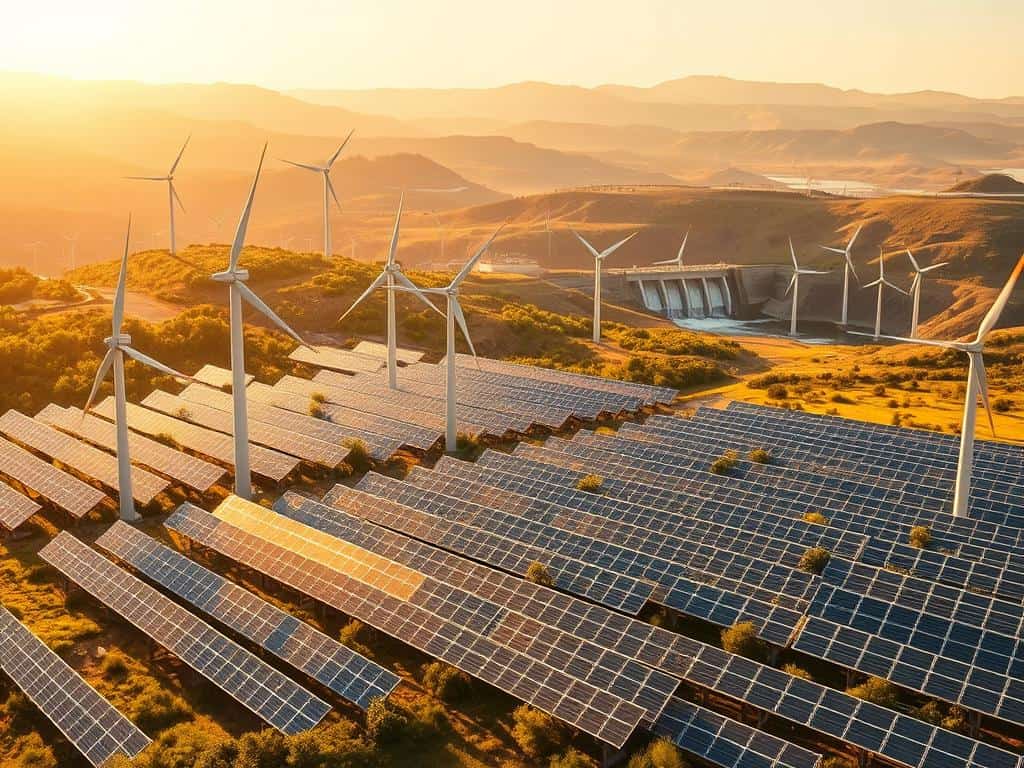
Conclusion
The future of energy is both challenging and full of opportunities. We face a big problem with fossil fuel depletion. We need to quickly move to sustainable energy solutions.
It’s not just about new tech. We must also change our daily habits. These habits affect our energy use and the economy.
Global efforts are underway to tackle this issue. They aim to control carbon emissions and fund green projects. These steps are key to using renewable energy and reducing environmental harm.
But, we also face challenges like better energy storage and more investment in renewables. These are essential for our journey.
Thinking about wood energy in national policies shows we need a broad approach. This includes research, education, and involving women in wood energy projects. By raising awareness and pushing for green solutions, we can work towards a sustainable energy future.

Leave a Reply
You must be logged in to post a comment.