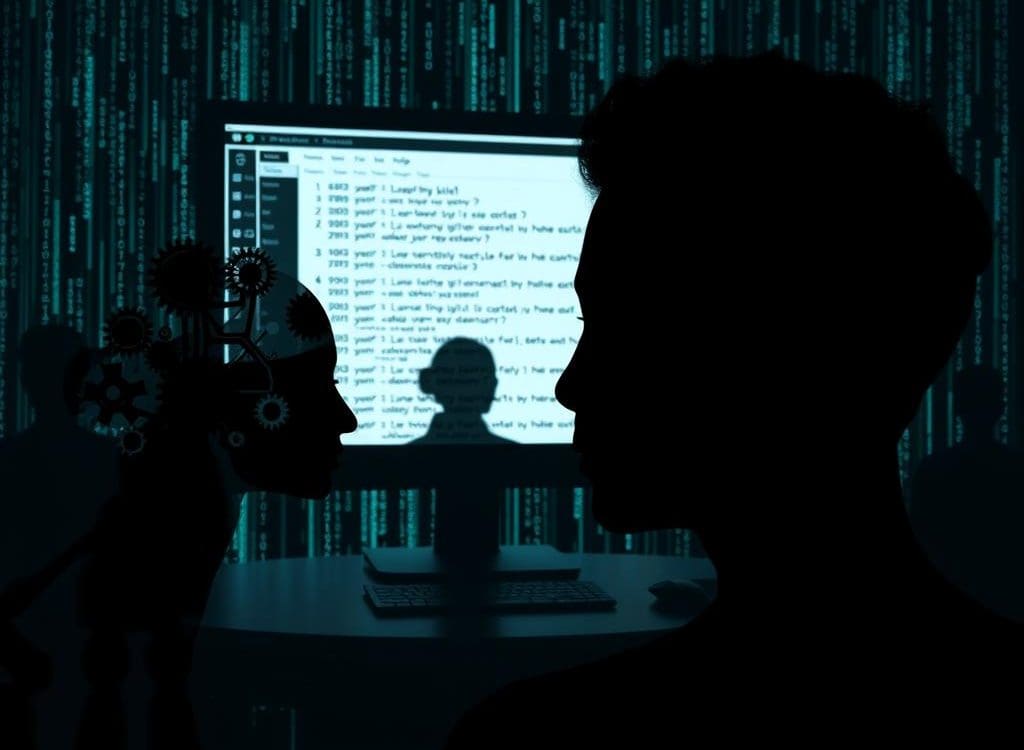
Can We Trust AI? The Hidden Bias in Algorithms
Did you know that nearly 80% of companies have faced problems with AI bias in their systems? This shows a big challenge for trust in AI. It’s because of hidden biases in algorithms.
Technology is everywhere today, and unfair treatment can happen. This is when algorithms make decisions that hurt some groups. Often, no one even notices.
Looking into ethics in tech, I see how biased AI can cause big problems. These include bad press, lawsuits, and boycotts. They can really hurt a brand’s image.
Big tech companies have faced a lot of criticism for algorithmic biases. For example, facial recognition systems often get darker-skinned people and women wrong. This not only hurts trust but also threatens the success of companies that don’t fix these issues.
The effects of hidden biases are huge. They shape how we experience things and interact in areas like healthcare, jobs, and loans. It’s more important than ever to use AI responsibly. We need to make sure algorithms are fair and equal. In this article, I’ll talk about AI bias, how it forms, and its effects. I’ll also push for a proactive way to make tech trustworthy.
Key Takeaways
- Many companies encounter and report issues related to AI bias, underscoring the importance of awareness.
- Algorithmic bias can lead to negative press and lawsuits, damaging a brand’s reputation.
- Failure to address AI bias may alienate existing customers and deter future ones.
- Ethical AI adoption can help avoid legal problems and support long-term success.
- Facial recognition technologies have a history of inaccuracies among darker-skinned individuals.
- Ongoing research shows disparities in AI use across various sectors.
Understanding AI Bias
Exploring the definition of AI bias shows it’s about unfairness in algorithmic choices. This unfairness comes from biased data, flawed algorithms, and human mistakes. It affects many, making things worse for already disadvantaged groups.
Definition and Implications of AI Bias
AI bias can have big effects, like in healthcare and jobs. For example, AI tools might overlook certain groups, leading to unfair hiring. In healthcare, AI made with mostly white data can be less accurate for black patients and women.
This shows we need better rules for making AI. We must ensure these systems don’t cause more harm.
Examples of AI Bias in Real Life
There are many examples of AI bias in action. Facial recognition often gets it wrong for people of color, leading to wrong arrests. Predictive policing tools can unfairly target minorities, based on past arrests.
Also, biased mortgage algorithms can charge higher rates to marginalized groups. These examples show AI bias affects not just individuals but society as a whole.
How Does AI Become Biased?
Understanding why AI becomes biased is key to fixing it. Two main reasons are data sets and human influence. Both are important in how AI systems work.
Data Sets and Their Impact
Bias often comes from the data used to train AI. If the data isn’t diverse, AI can show biases. For example, AI trained on data that favors men might keep showing that bias.
How we label data also adds to bias. Humans can bring their own biases to the table. This can mess up things like facial recognition or sentiment analysis.
Human Influence on Algorithms
Humans also play a big role in AI bias. The choices made when designing algorithms can introduce biases. If developers focus on certain data, those biases can stick.
Studies, like those from Carnegie Mellon University, show biases can pop up even after AI is used. For example, Google’s ads might show better jobs to men than women. It’s important to keep checking and tweaking AI to avoid these biases.
AI Bias: Risks and Repercussions
Artificial intelligence brings great benefits but also risks, like AI bias. Brands ignoring these risks could suffer big time, both ethically and financially. It’s key to understand AI bias to protect brand reputation and follow the law.
Impact on Brand Reputation
A biased AI system can harm a company’s reputation. For instance, Amazon’s AI hiring tool favored men, leading to its shutdown. This shows how AI bias can lead to distrust and lost loyalty.
Companies using biased algorithms in hiring, lending, or housing are seen as unethical. This can hurt their market standing, leading to less revenue and lost trust.
Legal and Regulatory Challenges
AI bias is facing more legal scrutiny as laws are made to address it. In Germany, the General Equal Treatment Act and the GDPR push for AI ethics talks. The GDPR requires human oversight in automated decisions, showing a growing awareness of AI bias risks.
The AI Act emphasizes the need to reduce bias by using diverse data and being transparent. Yet, only about 44% of executives know the AI ethics compliance needs. This highlights the need for companies to get ready for stricter rules or face legal battles.
Conclusion
In conclusion on AI bias, we must tackle the issue head-on. The future of tech relies on fixing biases that harm trust in AI. These biases affect key areas like healthcare, finance, and law enforcement.
Without action, we face legal troubles and damage to reputation. By choosing ethical AI, companies can avoid these problems. They also help create a fairer world.
Creating AI governance frameworks is key to keeping things transparent and accountable. Humans are vital in spotting and fixing biases. This is true, even in big decisions that affect many people.
If we don’t fight AI bias, we’ll face serious consequences. This includes legal issues and losing public trust. It’s a big risk.
As AI gets smarter, keeping technology honest is more important than ever. Companies must focus on fair AI and involve diverse groups in its making. This way, we can rebuild trust in AI and make it a force for good, not harm.

Leave a Reply
You must be logged in to post a comment.