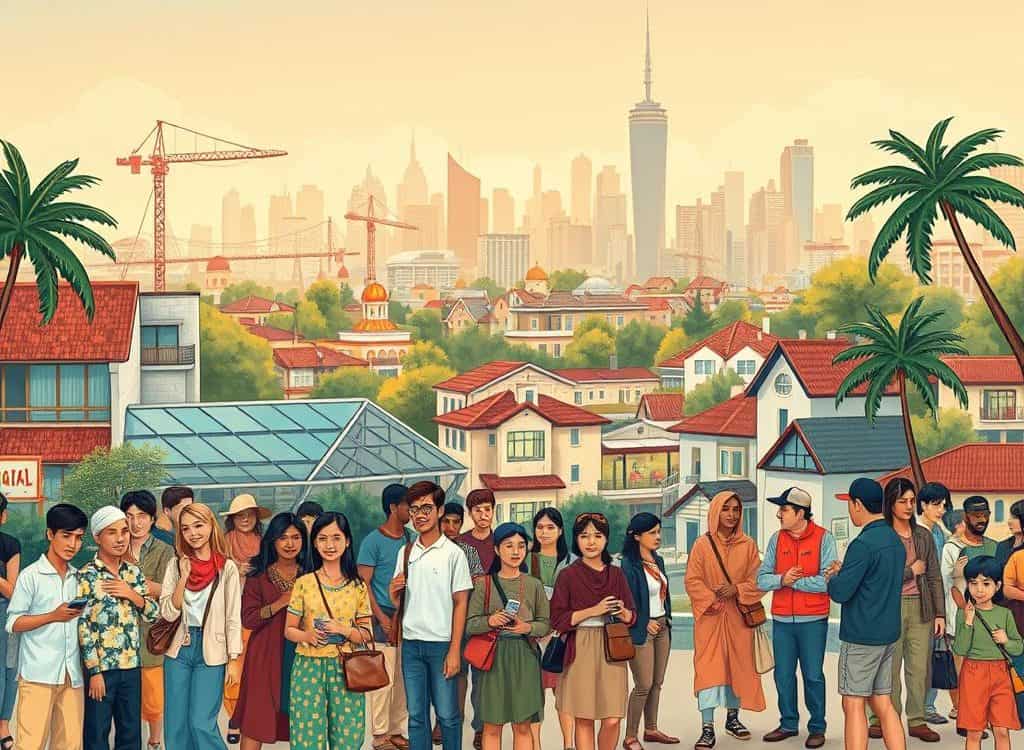
How Immigration is Shaping the Future
Immigrants made up 13.9 percent of the U.S. population in 2022. This means about 46 million people out of nearly 335 million residents. Immigration plays a big role in the U.S. economy and culture. It shapes our future and influences today’s policies.
The history of immigration reform shows both challenges and changes. The 1924 National Origins Act favored Northern and Western Europeans. But the 1965 Hart-Cellar Act changed this, encouraging more diverse immigration. These changes have enriched our culture in music, theater, and politics.
Immigrants are key in industries like garment manufacturing, coal mining, and construction. They drive the U.S. economy. Understanding their role is important for making immigration policies that help everyone.
By embracing immigration’s complexities, we can build a better future. A future where cultures blend and strengthen our society.
Key Takeaways
- Immigrants represented 13.9% of the U.S. population in 2022, amounting to around 46 million people.
- The 1965 Hart-Cellar Act marked a significant shift in U.S. immigration policy, leading to increased diversity.
- Immigrants play critical roles in key industries, contributing significantly to the nation’s economic growth.
- Local initiatives have demonstrated positive impacts on economic outcomes, such as California’s Assembly Bill 60.
- A robust understanding of immigration dynamics is essential for effective immigration reform and community integration.
- Cultural contributions from immigrants enhance the social fabric of the United States.
- The blending of diverse populations is key to the future workforce and service sector in America.
The Economic Contributions of Immigrants
Immigrants in the United States are key to the economy. They do more than just work. They also help with taxes and grow the economy. Studies show they bring diversity and boost productivity in many fields.
This shows how important they are to American society. Their work helps the economy grow.
Immigrant Tax Contributions
Immigrants pay billions in taxes every year. In 2022, they paid about $579.1 billion in taxes. This includes $35.1 billion from undocumented immigrants.
This money helps fund important services like schools and hospitals. It shows how much immigrants contribute to the budget. They often pay more in taxes than they use in public services.
Immigrants in Key Sectors
Immigrants are vital in many important jobs. They work in agriculture, construction, and healthcare. For example, 25% of farm workers are immigrants.
One in four construction workers and 15.6% of nurses are also immigrants. This shows how important they are for the economy. They help drive growth and innovation.
Immigration Debates and Their Implications
Immigration debates show deep divisions in public opinion. Some people want more immigration, saying it boosts the economy and helps with jobs. Others worry about job competition and how resources are shared.
This worry comes from not knowing much about different cultures. It leads to fears about fitting in and understanding each other.
Public Sentiment on Immigration
A lot of Americans have mixed feelings about immigration. For example, 79% of undocumented immigrants have lived in the U.S. for nearly 15 years by 2022. This shows the need for a better understanding of immigration.
Leaders can use this to push for welcoming policies or highlight immigration risks. These debates affect how communities view integration and support for newcomers.
Impact of Policy on Immigration Trends
Changes in immigration policy change the workforce and economy. The Harris administration’s policies could grow the labor force and boost GDP, embracing diversity. On the other hand, stricter rules like those under Trump could slow GDP growth, showing the economic costs of immigration worries.
Stricter rules have already caused labor shortages and higher housing prices. Future policy decisions will shape immigration’s impact on society, bringing both benefits and challenges.
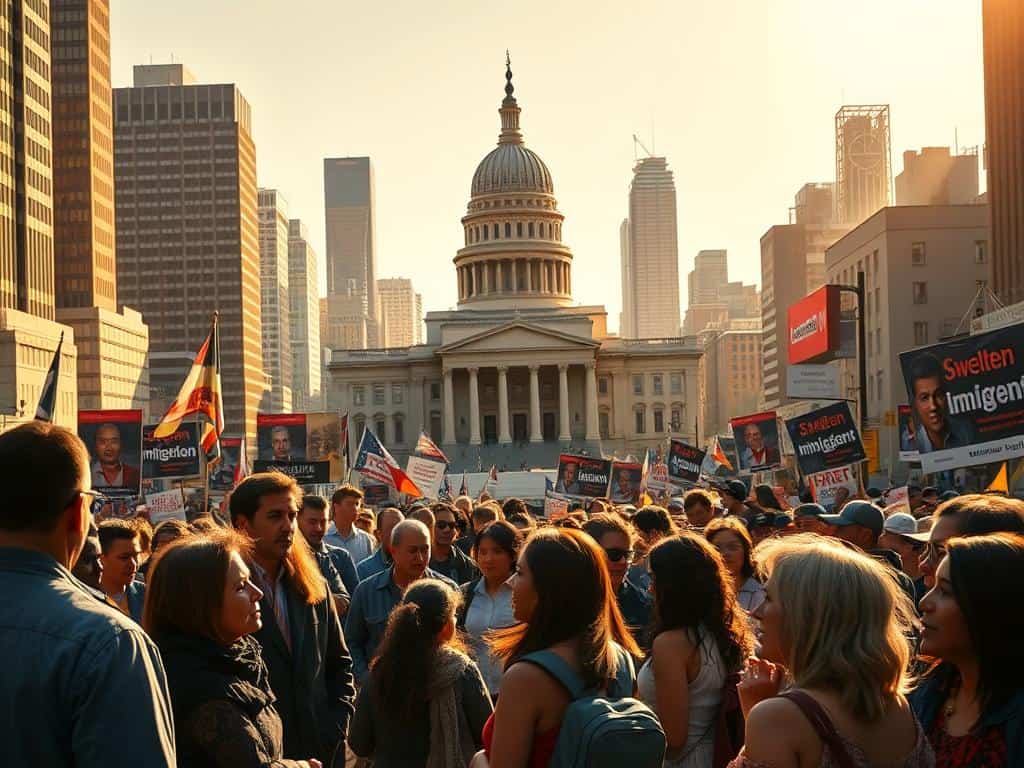
The Social Fabric and Cultural Contributions
Immigration has changed America in big ways. Almost one in seven people here is an immigrant. They’ve woven a rich cultural mix into our society. Immigrants boost our economy and add to our cultural and social fabric, making us who we are today.
Demographic Changes Driven by Immigration
Immigrants have brought big changes to many states. Places with tough immigration laws have seen their immigrant numbers grow. This shows how determined people are to find a better life. Their diversity makes our communities richer, fostering better cultural and social ties.
The Role of Immigrants in Community Building
Immigrants are key in building stronger communities. They volunteer and get involved in local issues. They bring new ideas and traditions, strengthening our local identity. From Al Jolson to the Gershwin brothers, their influence on American culture is huge. They’ve made America more vibrant and diverse, showing how important they are to our society.
Conclusion
The future of immigration in the United States is full of promise. It can greatly impact our economy and society. With over 1.3 million immigrants coming in legally, their role is key.
They help with taxes and are essential in fields like farming and meatpacking. Their contributions should guide our immigration policy. This way, we can support our economy and celebrate cultural diversity.
Most Americans, 64%, see the benefits of immigration. This shows we need to tackle the tough issues. Like the problems with mass deportations and a outdated asylum system.
These issues show the fine line between protecting our country and helping others. They also affect how the U.S. is seen worldwide.
In short, welcoming immigrants can make our communities and economy thrive. The U.S. can become a symbol of hope in our global world. To get there, we need fair and humane immigration policies. These should reflect our current needs and values.

Leave a Reply
You must be logged in to post a comment.