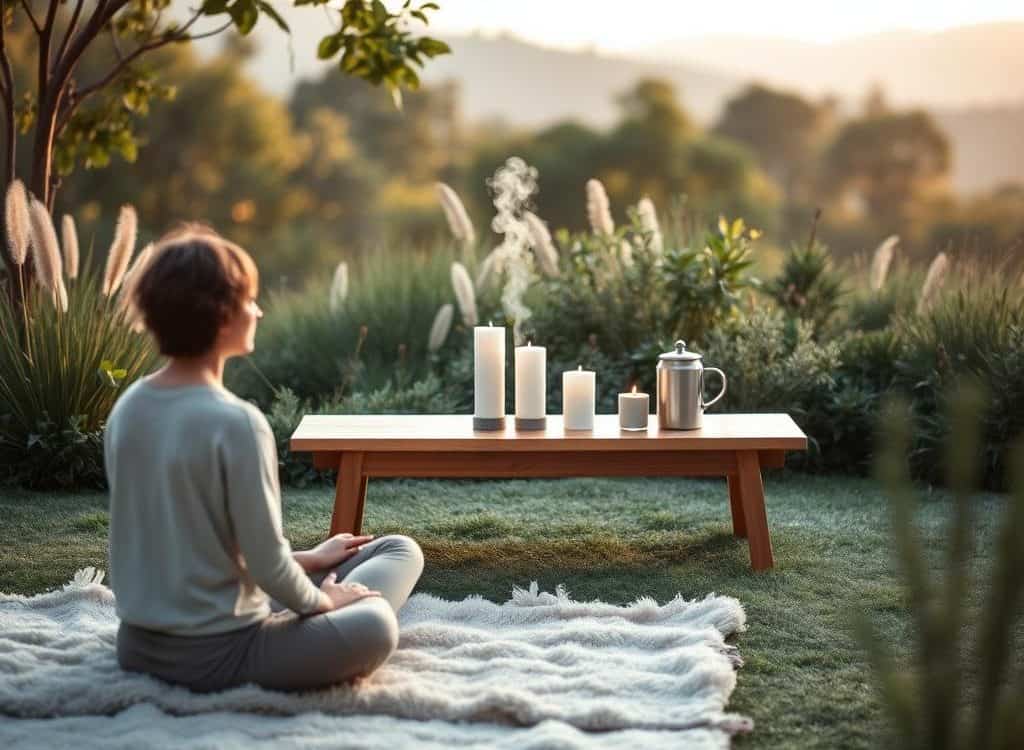
Why Everyone Is Embracing the Slow Living Movement
Did you know the hashtag #SlowLiving has been used over six million times on Instagram? This shows a big interest in living mindfully and intentionally, even on fast-paced social media. The Slow Living Movement teaches us to enjoy simple things and relax in our busy lives. Many of us want to slow down and learn how to do it.
This movement is a strong answer to our fast world, telling us to value real experiences over stuff and being busy. Burnout, mainly among millennials, has made many look for a new way of living. This way is not just about doing less, but being fully present in our daily lives. By living slowly, we connect with what’s truly important, finding clarity and purpose.
The COVID-19 pandemic has made us all think about our lifestyles more. It’s made us want to slow down even more. This movement helps us find meaning in small moments and offers a calm to our busy lives.
Key Takeaways
- The Slow Living Movement has gained traction with millions embracing it on social media.
- Burnout among millennials is pushing many to seek mindful and restful lifestyles.
- Books promoting the importance of rest and simplicity are becoming bestsellers.
- The pandemic served as a catalyst for a greater interest in intentional living.
- This movement encourages valuing small, joyful experiences over constant productivity.
The Rise of Slow Living in a Fast-Paced World
Today’s work-life balance often feels overwhelming and stressful. This stress leads to a big shift towards slow living. Slow living focuses on being present and mindful, not just busy.
In a world where being productive means working long hours, I see the harm. Young people are now saying no to the constant hustle. They want a better way to live.
The Impact of Burnout on Modern Life
Burnout is real and affects many today. It comes from too much stress at work, causing fatigue and emotional exhaustion. Slow living is seen as a way to fight this.
Mindfulness, like walking in nature or meditating, helps. It makes us more present. A clean home also helps, making our lives more intentional.
Changing Perspectives on Productivity
Slow living changes how we see productivity. It’s not just about doing more. It’s about enjoying what we do.
Practicing gratitude, like enjoying a morning coffee, connects us to the world. Slowing down improves our mental and emotional health. It makes life more meaningful.
Understanding the Philosophy of Slow Living
The philosophy of slow living is about living mindfully every day. It helps me focus on what’s truly important and let go of what’s not. This way of life makes me more aware of myself and what I value.
It teaches me to choose meaningful moments over the hustle and bustle of today’s world. This helps me connect with others on a deeper level and find true happiness.
Caring More and Caring Less
Reflecting on what’s important to me helps me find time for myself and loved ones. Slow living encourages me to drop distractions and enjoy real connections. This focus on quality over quantity strengthens my relationships and brings me joy.
The Importance of Mindfulness in Daily Life
Mindfulness in my daily life helps me handle stress better and enjoy the now. Simple acts like deep breathing or slow cooking make me appreciate life’s small joys. These actions also help me live more sustainably and connect with nature.
Choosing a slower pace brings many benefits. The growing interest in slow living shows that more people want a life filled with purpose and happiness.
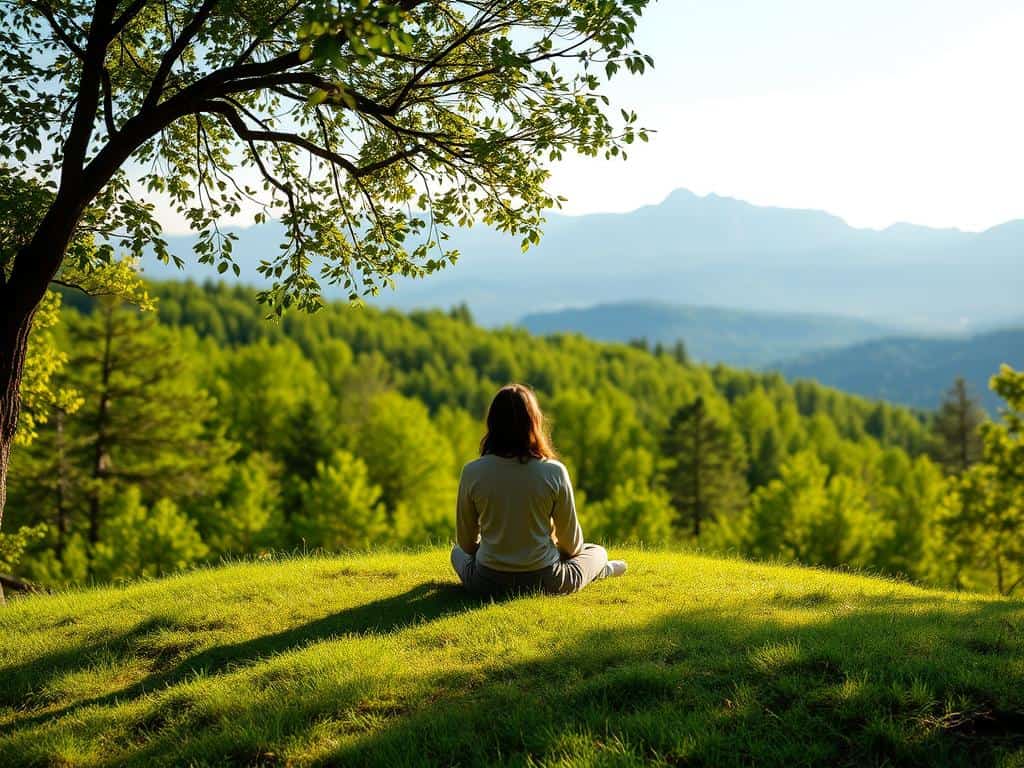
Slow Living: A Response to Consumerism
The slow living movement is a strong counter to the fast pace of consumerism. More people are turning to minimalism and ethical consumption. They see how overconsumption harms the environment and their mental health.
This change helps me focus on what truly matters to me. It’s about living in line with my values, not just buying more stuff.
The Shift to Minimalism and Ethical Consumption
Consumer culture can feel overwhelming. Many find comfort in minimalism. It makes them think more about the things they buy.
With over 5.5 million Instagram posts about #slowliving, I’m not alone. People are looking for ways to live more sustainably. The rise in video views on ‘slow living’ in 2020 shows this growing interest.
Reconnecting with Personal Values
Slow living helps me reconnect with my personal values. I choose experiences and relationships over material things. This approach is gaining popularity.
Groups like Columbia’s Hike Society and Tsutaya Bookstore show how values can bring people together. Feeling lonely is common, with 23% of people feeling it often. Spaces like the Offline Club foster real connections by asking visitors to leave their phones behind.
Living by my values leads to a more fulfilling life. It’s about growth and happiness, not just buying more.
Conclusion
The slow living movement has been a beacon for me, guiding me through life’s fast pace. At first, stepping away from a quick lifestyle was tough. But, this philosophy has helped me focus on what’s important.
Mindfulness has been key, teaching me to be aware and say “no” to things that don’t matter. It wasn’t easy, but every step towards simplicity has been worth it.
Looking back, quarantine showed me the beauty of quiet and small pleasures. Slow living isn’t about being perfect; it’s about moving forward with purpose. By being grateful and mindful, I’ve learned to enjoy the moment and make choices that bring happiness.
Journaling has been a big help, letting me reflect and find what truly brings me joy. Slow living helps us see what truly fulfills us. It’s about valuing quality over speed.
As I keep moving forward, I realize it’s not just about doing less. It’s about making our experiences richer and our connections deeper. Slow living leads to a life that truly aligns with my values and dreams.

Leave a Reply
You must be logged in to post a comment.