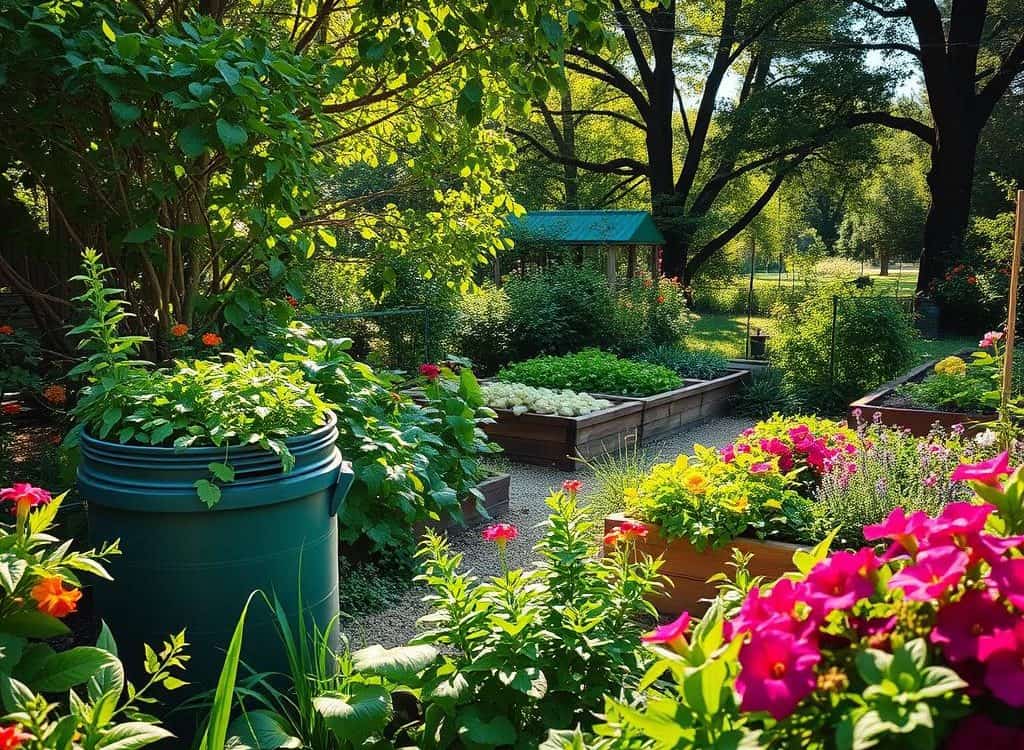
How to Go Green Without Changing Your Entire Life
Did you know avoiding single-use plastics can save up to $3,000 a year? It also greatly reduces waste. This shows how small changes can make a big difference for our planet. Going green doesn’t mean you have to change everything at once.
By adding simple, eco-friendly habits to your life, you can make a big impact. It’s not about changing everything at once. It’s about making small, practical changes that add up.
As I explore sustainable living, I’ve found that small changes can make a big difference. Changing how we shop or being mindful of food waste can help our planet. Sustainability is within our reach. Let’s look at how we can make small changes for a greener, healthier life.
Key Takeaways
- Small changes can lead to significant savings and waste reduction.
- Mindful shopping and reusing items can reduce overall environmental impact.
- Adopting plant-based diets dramatically lowers carbon footprints.
- Simple energy conservation tips can reduce emissions and utility costs.
- Supporting sustainable businesses enhances the collective impact of eco-friendly efforts.
Understanding Sustainable Living
Sustainable living means making choices that help the environment. It’s about thinking about how our daily actions affect the planet. By living sustainably, we can improve our lives and protect resources for the future.
What is Sustainable Living?
Imagine sustainable living as “ecological accounting.” It shows how our lifestyle choices affect the planet. For example, using an ecological footprint calculator helps us see our impact. It shows how much land we need for our water, food, and travel.
The average ecological footprint varies by country. In the United States, it’s about 24 acres per person. In Pakistan, it’s less than 9 acres. Knowing this helps us make better choices for the environment.
Why Sustainable Living Matters
Sustainable living is key to fighting climate change. The Intergovernmental Panel on Climate Change says we must act fast. By choosing to eat less meat, use public transport, and save water, we can lower our carbon footprint.
Our actions help in bigger efforts to solve environmental problems. Every choice we make, like composting or supporting local businesses, shows we care about the planet.
Simple Ways to Incorporate Eco-Friendly Practices
Living sustainably doesn’t mean big changes. Small, thoughtful steps can make a big difference. I choose eco-friendly products and support responsible shopping to reduce plastic waste.
Rethinking Your Shopping Habits
Every purchase has an environmental cost. I think twice before buying something. Buying secondhand saves money and cuts down on waste.
Choosing items made from eco-friendly materials also helps. This way, I shop better and support the planet.
Reducing Plastic Use
Plastic pollution harms our oceans and wildlife. About 14 million tons of plastic enter the ocean yearly. I use reusable bags to help.
I also pick products with biodegradable packaging. Simple choices like these can greatly reduce plastic waste.
Adopting a Plant-Based Diet
The meat industry is a big contributor to greenhouse gases. Eating more plants helps lower my carbon footprint. It also makes my meals more varied and tasty.
I plan to eat more plant-based foods. This change is good for me and the planet.
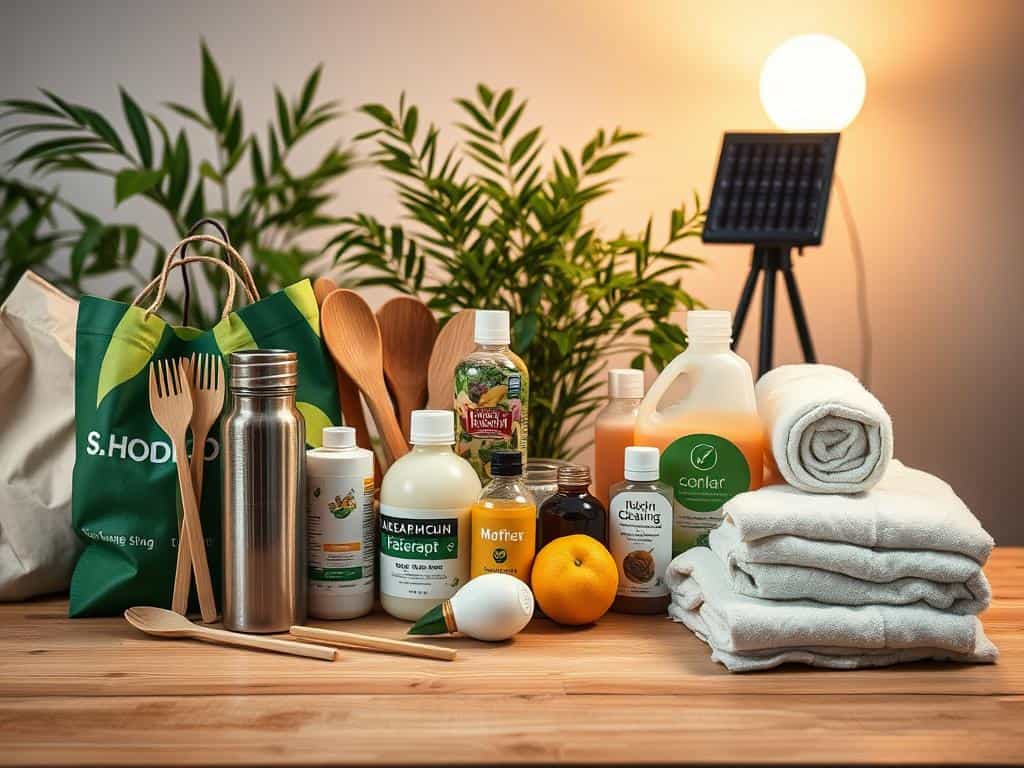
Creating a Greener Home Environment
Turning your home into an eco-friendly space needs careful planning and simple changes. Improving your home to use less energy and water is key. By making a few easy changes, you can greatly reduce your impact on the environment and live a greener life.
Energy Efficiency Solutions
Using less energy is a big step toward a greener home. Simple actions like opening blinds to let in natural light can cut down on lighting costs. LED bulbs are another great choice, using 80-90% less energy and lasting much longer than old bulbs.
Using a programmable thermostat can save up to 12% on heating and 15% on cooling. Turning off lights and unplugging electronics when not in use also saves energy. Buying energy-efficient appliances and considering solar panels are smart moves for a sustainable home.
Water Conservation Techniques
Conserving water is essential for a sustainable home. Installing low-flow showerheads and faucets can cut water use by half, saving thousands of gallons a year. Taking shorter showers and using rainwater for plants are also good habits.
Using gray water for plants and eco-friendly cleaning products helps too. Buying locally and choosing products with less packaging also helps reduce waste. These steps make your efforts to create a greener home even more effective.
Conclusion
Exploring sustainable living, I learned it’s not about big changes. It’s about making choices that match our eco-friendly values. Every small step I take helps the environment, showing my personal impact.
Sharing my journey, I find ways to connect with others. This inspires them to live more sustainably. It builds community and helps us tackle local environmental problems together.
Looking back, I urge you to try something new every day. Small changes add up. They make our planet healthier and improve our lives, proving every effort matters for a greener tomorrow.

Leave a Reply
You must be logged in to post a comment.