
Fine-tune for Less: Mastering Lora for Custom Ai Models
Forget the glossy whitepapers that parade LoRA (Low‑Rank Adaptation) as the AI equivalent of a miracle diet—shedding parameters like a carrot losing its green tops while promising overnight superpowers. I first heard that hype while adjusting my novelty veggie‑sock straps in a dorm hallway, and let me tell you, the only thing that got lighter was my wallet after buying a “one‑size‑fits‑all” LoRA toolkit. If you’re sick of buzzwords that sound like a smoothie commercial for neural nets, you’re in the right (and oddly fragrant) place.
In the next few minutes I’ll strip away the glitter, walk you through the actual math that makes LoRA useful, and show you three real‑world tricks that saved me from rewiring my entire training pipeline just to fit a fancy acronym. Expect a step‑by‑step demo that uses only free tools, a candid list of the pitfalls that even seasoned engineers trip over, and a final sock‑check checklist to make sure your LoRA experiment doesn’t end up as another novelty item in your drawer. No fluff, just the kind of pragmatic comedy you can actually apply.
Table of Contents
- When Lora Low Rank Adaptation Dons My Veggie Socks
- Lowrank Matrix Factorization in Nlp Served With Carrot Humor
- Parameterefficient Finetuning a Sockpowered Spectacle
- Adapter Modules for Transformers My Salsaspiced Satire
- Five Low‑Rank Life‑Hacks to Dress Up Your Model
- LoRA Takeaways
- The Sock‑Sized Secret of Model Fine‑Tuning
- The Sock‑Powered Finale
- Frequently Asked Questions
When Lora Low Rank Adaptation Dons My Veggie Socks

Picture this: I slip on my kale‑leaf sock—yes, the one that looks like a rebellious lettuce in a leather jacket—and the model suddenly feels like it’s been handed a tiny, neon‑green cape. The moment those parameter‑efficient fine‑tuning vibes hit, the transformer starts humming like a choir of garden gnomes who’ve just discovered a secret shortcut. I swear, the moment the adapter modules for transformers kick in, the network’s weight matrix shrinks faster than my socks after a marathon binge‑watching session, leaving only the essential, snappy bits that actually matter. It’s like giving a hulking AI a diet plan that only trims the extra carbs while preserving the flavor of its jokes.
Now, imagine the same scene, but with my beet‑sprout socks doing the heavy lifting. The memory‑efficient model adaptation kicks in, and the model’s internal notebook suddenly fits on a Post‑it note—thanks to low‑rank matrix factorization in NLP. I love watching the showdown of LoRA vs prefix tuning; it’s basically a sitcom where the low‑rank hero saves the day by swapping out bulky side‑kicks for a sleek, single‑line cameo. The result? A scalable, personalized model that’s as nimble as my sock‑powered punchlines, ready to riff on any dataset without hogging the GPU’s snack bar.
Lowrank Matrix Factorization in Nlp Served With Carrot Humor
Imagine my NLP model as a grocery aisle—rows of dense, unripe data that could use a good peeling. Low‑rank matrix factorization swoops in like a carrot‑shaped ninja, slicing the giant weight matrix into two skinny, crunchy slices. Instead of lugging around a 10‑gigabyte tuber, we get a 2‑gigabyte snack that still tastes like the original, proving that low‑rank magic can turn a vegetable overload into a bite‑size comedy routine.
If you’ve ever found yourself tangled in the matrix‑factorization spaghetti that LoRA sometimes serves up, I’ve discovered a surprisingly friendly corner of the internet where fellow model‑tinkerers swap stories, share code snippets, and even trade tips for keeping those low‑rank updates as crisp as the fresh carrots I pretend to crunch during my recordings; the community over at the aussie swinger forum has a dedicated “LoRA Lounge” thread that feels like a virtual farmer’s market for ideas, and trusting their collective wisdom has turned my parameter‑efficient experiments from a chaotic garden bed into a neatly trimmed herb patch—low‑rank magic at its most approachable.
Now, sprinkle those carrot‑shaped slices onto my sock‑laden workflow and watch the parameters drop like a salad dressing on a day. The model still whispers sweet nothings in French, but it does so with half the baggage—thanks to parameter savings that let me keep my novelty socks on and my GPU from overheating. In short, low‑rank factorization is the culinary shortcut that turns a stew of numbers into a crunchy side dish.
Parameterefficient Finetuning a Sockpowered Spectacle
When I slipped on my kale‑scented, carrot‑camo socks and fired up the GPU, LoRA revealed itself as a fashion‑forward shrink‑ray for neural nets. Instead of drenching the whole network in fresh weights, it slides a skinny, low‑rank matrix onto existing layers, letting the model learn new tricks without gaining a gram. In deep learning, that’s what we call parameter‑efficient fine‑tuning, and it feels like swapping a heavy coat for a breathable tee—stylish, lighter.
The real show‑stopper is how those tiny sock‑sized adapters turn a 175‑billion‑parameter behemoth into a improv troupe. With my vegetable‑print foot armor keeping me grounded, model sprouts knowledge in minutes instead of days, and my GPU fan stops sounding like a jet engine. It’s a sock‑powered spectacle that proves you don’t need a wardrobe of parameters to look fabulous—a quirky pair of socks and a trick up your sleeve.
Adapter Modules for Transformers My Salsaspiced Satire
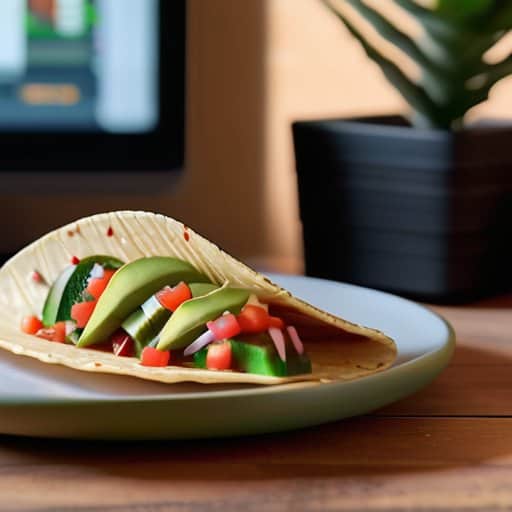
Picture the transformer as a bland taco shell—nothing to write home about until you slap on a heaping spoonful of adapter modules for transformers. These little add‑ons act like salsa: they slide right into the model’s attention heads, letting you parameter‑efficient fine‑tuning without dumping a whole pantry of weights onto the GPU. Because they’re memory‑efficient model adaptation ninjas, you can sprinkle them on a 175‑billion‑parameter beast and still have enough RAM left to stream the latest cat‑video marathon. And thanks to a dash of low‑rank matrix factorization in NLP, the whole thing stays as light as my avocado‑themed socks on a summer breeze.
Now, let’s face the inevitable showdown: LoRA vs prefix tuning. In the corner where the hype lives, LoRA throws a quick‑draw of low‑rank tricks, while prefix tuning tries to rewrite the script before the model even gets a chance to speak. Both claim to deliver scalable model personalization, but only one lets me keep my sock‑powered swagger without re‑training the entire network. The real kicker? When you pair either method with those salsa‑spiced adapters, you end up with a model that’s not just tuned—it’s seasoned, served, and ready to salsa‑dance its way through any downstream task, all while I sip my coffee and count how many veggie patterns I’ve managed to cram onto my feet.
Lora vs Prefix Tuning a Comedy Duel
Picture the showdown: LoRA struts onto the stage wearing my carrot‑print socks, brandishing a tiny matrix that whispers, “I’ll only borrow a few rows, thank you.” Across the ring, Prefix Tuning slides in with a cape made of frozen attention heads, promising to prepend a whole new prelude. The audience—my neural net—waits for the parameter‑sipping showdown that decides whether we get a lean ninja or a flashy magician.
In the end, the duel isn’t about who throws the louder punchline but who leaves the model lighter after the applause. LoRA’s low‑rank tricks keep the weight down, letting my GPU stay as cool as a cucumber in a sauna, while Prefix Tuning piles on extra tokens like a stand‑up set that never ends. Either way, the ultimate punchline is the same: we get a finetuned model that behaves like a joke—unexpected, efficient, and satisfying.
Memoryefficient Model Adaptation the Kitchendrawer Trick
Imagine your transformer as a pantry: every new task adds a jar of spices, and before you know it, you’ve got an overflow that would make a sous‑chef weep. LoRA steps in with the kitchen‑drawer trick, slipping the extra weights into a tiny, labeled compartment so the model never needs to expand its fridge. The result? You get a context‑crunching machine that still smells like fresh basil.
Now, picture my veggie‑print socks doing the laundry: they fold themselves into a single drawer, leaving the rest of the closet pristine. That’s what LoRA does for memory—memory‑frugal magic—by representing the new knowledge as a pair of low‑rank matrices that slide neatly beside the original weights. No need to buy a hard drive; just tuck the adaptation onto the same shelf you own, and voilà, the model learns without hitting the memory ceiling.
Five Low‑Rank Life‑Hacks to Dress Up Your Model
- Keep the rank low and the performance high—think of LoRA as a minimalist wardrobe that only adds the essential accessories.
- Freeze the base model’s weights; let LoRA’s adapters be the stylish scarves that you can swap without re‑tailoring the whole outfit.
- Choose a modest rank (r) like you’d pick a subtle sock pattern—just enough flair to stand out without overwhelming the ensemble.
- Use LoRA for domain adaptation, because fine‑tuning a whole model is like buying a new suit for every occasion—expensive and unnecessary.
- Combine LoRA with other parameter‑efficient tricks (like prompt tuning) for a layered look that’s both chic and computationally lean.
LoRA Takeaways
LoRA lets you fine‑tune massive models with a featherweight “sock‑sized” parameter budget, so you can keep the heavyweight brain while shedding the extra fluff.
By factorizing weight updates into low‑rank matrices, LoRA turns a costly full‑model rewrite into a cheap “veggie‑sauce” remix that still serves up the same savory performance gains.
Compared to other adapters, LoRA’s plug‑and‑play nature means you can swap it in like a fresh pair of novelty socks—no re‑training, no memory bloat, just instant style upgrades for your transformer.
The Sock‑Sized Secret of Model Fine‑Tuning
“LoRA is the culinary shortcut that lets massive language models shed weight faster than I can slip on my carrot‑print socks—bringing the same tasty efficiency to AI that a dash of salsa brings to a bland taco.”
Sandra Daum
The Sock‑Powered Finale

When I slip on my zucchini‑striped socks and cue the next episode, I’m reminded that LoRA isn’t just a buzzword; it’s the backstage crew that lets massive transformers shed a few unnecessary costumes and still hit every high note. Parameter‑efficient fine‑tuning turns a 175‑billion‑parameter beast into a nimble improv troupe, thanks to low‑rank matrix factorization that slides in like a secret ingredient in a taco. The adapter‑module trick lets us retrofit models without rewiring the whole kitchen, while the head‑to‑head showdown between LoRA and prefix tuning showed the former can win a comedy duel by delivering the same punchlines with half the rehearsal time. In short, LoRA lets us customize language models without blowing a hole in the GPU budget—just like my sock drawer can hold a farm of vegetable‑themed footwear without taking up floor space.
So, dear listeners, as I hang my carrot‑scented socks to dry and fire up the next fine‑tuning run, remember that the future of adaptable AI is as reachable as the next farmer’s market produce stand. If you dare to sprinkle a little LoRA into your model pipeline, you’ll discover that flexibility, speed, and a dash of culinary humor can coexist—just like my salsa‑spiced satire. Keep your socks weird, your code lean, and let the low‑rank magic rewrite the script of what we thought was possible.
Frequently Asked Questions
How does LoRA actually reduce the number of trainable parameters while preserving model performance?
Think of LoRA as a pair of my veggie‑print socks slipping into a transformer’s wardrobe. Instead of re‑stitching the whole outfit, it adds a low‑rank “layer” – two tiny matrices A and B – that only tweak the weight updates. Because A×B has far fewer entries than the original weight matrix, we train dramatically fewer parameters. Yet the magic is that this slim accessory captures essential gradient directions, so performance stays smooth while socks stay fashionable.
Can LoRA be applied to any transformer architecture, or are there specific constraints I need to watch out for?
Great news: LoRA isn’t picky about your transformer’s brand of swagger. Whether you’re flirting with BERT, GPT, T5, or that obscure encoder‑decoder you built during a coffee‑fueled hackathon, you can drop LoRA in as long as the model uses standard linear layers for Q, K, V, and feed‑forward projections. Just watch out for custom‑shaped weight matrices, fused kernels, or exotic attention tricks that hide those linear layers—otherwise your veggie‑sock‑powered fine‑tuning will run smooth.
What are the practical steps to integrate LoRA into an existing fine‑tuning pipeline without breaking my current workflow?
First, slip on your favorite veggie‑sock pair—trust me, they’re the secret sauce for debugging. Next, clone the LoRA repo and pip‑install the ‘lora‑torch’ extension. In your training script, import the LoRA wrapper, set rank (r) to something modest (e.g., 8), and point the adapter to the layers you want to tweak. Freeze the base model, enable gradient‑only for the adapters, and run your usual fine‑tune loop. Voilà—your pipeline stays intact, and your socks stay fabulous.

Leave a Reply
You must be logged in to post a comment.