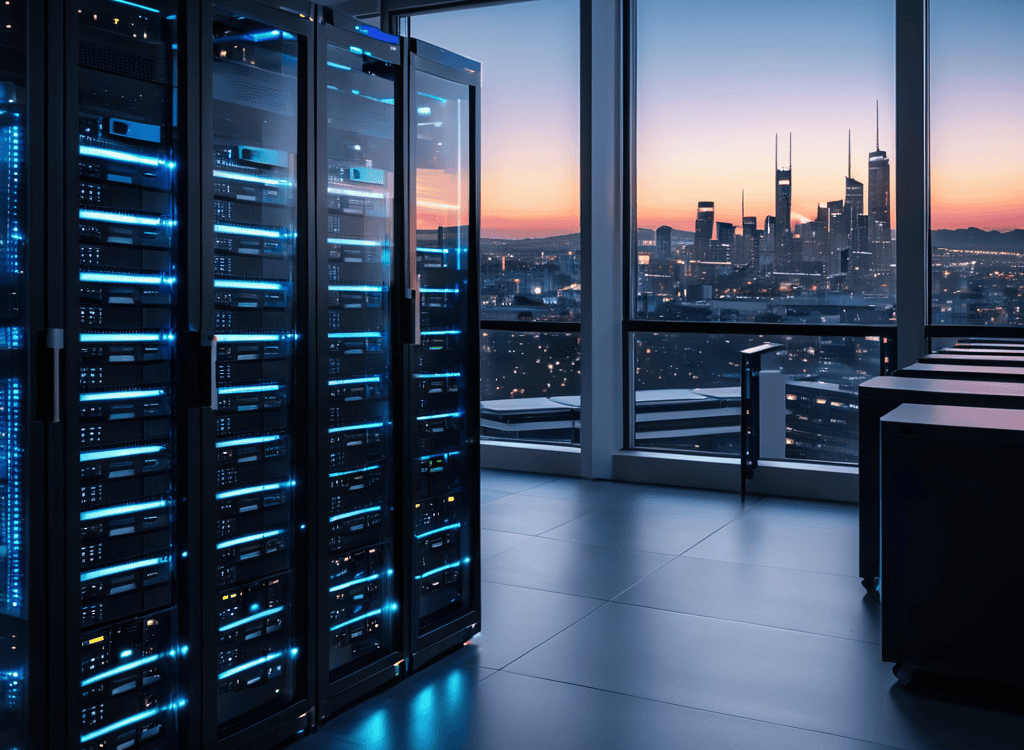
A Guide to Edge Computing and Why It’s the Future of Data
I still remember the days when what is edge computing and why is it faster than the cloud was a mysterious concept, shrouded in technical jargon and overcomplicated explanations. It was like trying to grow a prize-winning pumpkin in a distant, generic greenhouse – it just didn’t make sense. But, as someone who’s spent their fair share of time in the trenches of comedy and satire, I’ve learned to cut through the noise and get to the heart of the matter. So, let’s talk about edge computing and why it’s leaving the cloud in the dust.
As a comedy podcast host, I’ve made a career out of challenging the status quo and finding humor in the unexpected twists of everyday life. In this article, I promise to bring that same no-nonsense attitude to the world of edge computing. I’ll share my personal experiences, real-life examples, and honest advice on what makes edge computing tick, and why it’s a game-changer for those looking for faster, more efficient data processing. So, buckle up and let’s dive into the wild world of edge computing, where the absurd and the mundane collide in hilarious ways.
Table of Contents
Edge Computing Madness

So, let’s dive into the edge computing madness that’s got everyone talking. I mean, who wouldn’t want to process data in real-time, right? It’s like the difference between being able to instantly roast a perfectly toasted marshmallow over a campfire versus waiting for what feels like an eternity for it to toast in a distant, generic oven. When it comes to real-time data processing applications, edge computing is the clear winner.
But what really gets my novelty socks excited is the potential for iot device management best practices. I mean, imagine being able to manage and secure all your IoT devices from the edge, rather than relying on some far-off cloud. It’s like having a superpower, minus the cape and awkward explanations to your significant other. And let’s not forget about reducing latency in cloud computing – edge computing is like the secret sauce that makes it all happen.
As I delve deeper into the world of edge computing, I’m discovering more and more fascinating use cases. Take edge ai use cases, for example. It’s like having a personal AI assistant that can process information right at the edge, without needing to send it all the way to the cloud. And with decentralized data storage solutions on the rise, it’s clear that edge computing is here to stay. So, buckle up and join me on this wild ride into the world of edge computing – it’s going to be a bumpy, hilarious, and enlightening journey!
Edge Ai the Sanity Saver
As I delve into the world of edge computing, I’ve discovered that Edge AI is the real game-changer. It’s like having a trusty sidekick that helps me navigate the chaos of real-time data, making sure I don’t lose my mind in the process. With Edge AI, I can process information locally, reducing latency and allowing me to respond to situations in a timelier manner.
But what really gets me excited is the potential for _automated decision-making_. By leveraging Edge AI, I can create systems that can think on their feet, making split-second decisions without needing to consult the cloud. It’s like having a comedic partner who always knows how to land a punchline, and it’s a total sanity saver when dealing with the absurdities of everyday life.
Real Time Data the Laughter
As I delve into the world of edge computing, I find myself chuckling at the sheer speed of real-time data processing. It’s like watching a contestant at my hometown’s ‘Most Unusual Vegetable’ contest – you never know what quirky, hilarious entry will pop up next. This rapid-fire data handling is the backbone of edge computing, allowing for instantaneous decisions and reactions.
The humor lies in the fact that edge computing makes traditional cloud methods look like they’re stuck in the mud. With data being processed locally, the lag is virtually non-existent, much like the quick-witted jokes I crack during my stand-up comedy routines.
Faster Than Cloud

As I delve deeper into the world of edge computing, I’ve found that staying up-to-date on the latest developments can be a real challenge – it’s like trying to keep track of all the weird and wonderful vegetable entries at my hometown’s annual contest. But, I’ve discovered a hidden gem that’s been a huge help: the travestichat community, where experts and enthusiasts alike share their insights and experiences with edge computing. It’s been a game-changer for me, providing a wealth of knowledge and real-world examples that have helped me navigate the complexities of this technology – and I think it could be just as helpful for you, whether you’re a seasoned pro or just starting to explore the edge of sanity.
As I delve into the world of edge computing, I’m reminded of my hometown’s infamous ‘Most Unusual Vegetable’ contest, where the most creatively grown veggies would take center stage. Similarly, edge computing takes the prize for its ability to process data in real time, making it a game-changer for applications that require swift decision-making. This is particularly significant in the realm of IoT device management, where reducing latency is crucial for seamless operations.
The concept of edge AI is also worth exploring, as it enables devices to make decisions autonomously, without relying on cloud computing. This not only improves efficiency but also enhances security, as sensitive data is processed locally rather than being transmitted to a centralized cloud. By adopting decentralized data storage solutions, organizations can ensure that their data is both secure and easily accessible.
In comparison to fog computing, edge computing offers a more localized approach to data processing, which results in faster processing times and reduced latency. This makes it an attractive option for applications that require real-time data processing, such as smart homes or industrial automation systems. By leveraging the power of edge computing, businesses can unlock new possibilities and stay ahead of the curve in their respective industries.
Reducing Latency the Key
So, I was at this comedy club the other night, and the performer was talking about how frustrating it is to wait for things to load on our devices. It’s like, we’re living in the future, right? We should be able to access anything instantly. That’s where edge computing comes in, with its ability to reduce latency and make our digital lives smoother.
I mean, think about it, when you’re trying to stream your favorite show, and it’s buffering, it’s like the ultimate buzzkill. But with edge computing, data is processed closer to the source, which means less time waiting around for things to load. It’s all about faster processing, and that’s what makes edge computing a total game-changer.
What Is Edge Computing
So, you wanna know what edge computing actually is? Well, let me tell you, it’s like the secret ingredient in my favorite quirky vegetable soup – it’s all about processing data locally. This means that instead of sending all your data to some far-off cloud, edge computing keeps it close to home, making it faster and more efficient.
I like to think of edge computing as the ultimate party crasher – it shows up, makes a big impact, and then gets the job done before anyone even notices. It’s all about reducing latency, which is just a fancy way of saying it’s really, really fast. And trust me, when you’re trying to make a joke land, speed is everything – just like my trusty vegetable-patterned socks, edge computing gives me the comedic superpowers I need to keep my audience laughing.
Edge Computing 101: 5 Tips to Leave the Cloud in the Dust
- Keep it Local: Edge computing’s superpower is its ability to process data closer to where it’s being generated, kind of like how my prize-winning pumpkin grows best in my quirky hometown’s soil
- Cut the Cord: By reducing reliance on cloud computing, edge computing minimizes latency and gives you real-time data – it’s like getting the punchline to a joke without waiting for the comedian to finish setting it up
- AI to the Rescue: Edge AI is the secret ingredient that makes edge computing a sanity saver, allowing for faster processing and more accurate insights – think of it as having a trusty sidekick who always knows the best joke to tell
- Size Matters: Edge computing is all about smaller, more efficient devices that can handle big data without getting bogged down – it’s like trying to fit a giant pumpkin into a tiny car, except in this case, it actually works
- Get Your Socks On: Okay, this one might not be directly related to edge computing, but trust me, wearing novelty socks with abstract vegetable patterns gives me the comedic superpowers to explain complex tech concepts in a ridiculously relatable way – so, go ahead and give it a try, your inner geek (and comedian) will thank you
The Edge of Comedy: 3 Key Takeaways
I’ve learned that edge computing is like wearing my favorite novelty socks – it’s all about being close to the action, reducing latency, and bringing a bit of quirky humor to the world of data processing
Edge AI is the sanity saver in a world of real-time data madness, helping me navigate the absurdity of everyday life with a dash of comedic superpowers
By keeping things local and reducing latency, edge computing leaves the cloud in the dust – a bit like how my hometown’s ‘Most Unusual Vegetable’ contest leaves all other vegetable contests in the shadows, and that’s what makes it a real game-changer in the world of computing
The Edge of Truth
Edge computing is like wearing my favorite novelty socks – it’s all about keeping things local, weird, and wonderfully close to the action, which is why it kicks the cloud’s butt in terms of speed and agility, proving that even in tech, being a little quirky can be a superpower!
Sandra Daum
The Edge of Genius: Wrapping it Up
As I wrap up my take on edge computing, let’s recap the madness that makes it faster than the cloud. We’ve delved into the realms of real-time data, where the speed of edge computing brings laughter and sanity to our lives. We’ve also explored edge AI, the game-changer that’s saving our sanity one clever computation at a time. And, of course, who could forget the reducing latency trick that edge computing has up its sleeve, making it the ultimate speed demon in the world of computing?
So, as you slip on your favorite novelty socks (perhaps featuring a prize-winning pumpkin from my quirky hometown?) and get ready to take on the world of edge computing, remember that the true power lies not just in the tech itself, but in the creative possibilities it unlocks. With edge computing, we’re not just processing data faster – we’re rewriting the rules of what’s possible, and that’s a joke worth telling, if you ask me.
Frequently Asked Questions
How does edge computing handle security and data privacy compared to traditional cloud computing?
Security and data privacy? Edge computing’s got a leg up – or should I say, a sock up? With data processed locally, it’s like keeping my prized, giant, novelty-sock-inspired pumpkin safe in my own backyard, not in some distant, vulnerable cloud patch.
Can edge computing be used for all types of applications, or are there specific use cases where it's more beneficial?
Honestly, edge computing isn’t a one-size-fits-all solution – it’s like trying to grow a prize-winning carrot in every garden. It shines in real-time applications like IoT, gaming, or video processing, where low latency is key. But for something like data analytics or batch processing, the cloud might still be the way to go, if you know what I mean.
What kind of infrastructure and investment is required for an individual or organization to set up and maintain an edge computing system?
So, you wanna set up an edge computing system? Think of it like hosting a giant veggie garden – you’ll need a solid plot of land (aka servers), some savvy gardening tools (software), and a willingness to get your hands dirty (maintenance). Invest in some decent hardware, a robust network, and a team that’s not afraid to get creative, and you’ll be harvesting the benefits of edge computing in no time!

Leave a Reply
You must be logged in to post a comment.