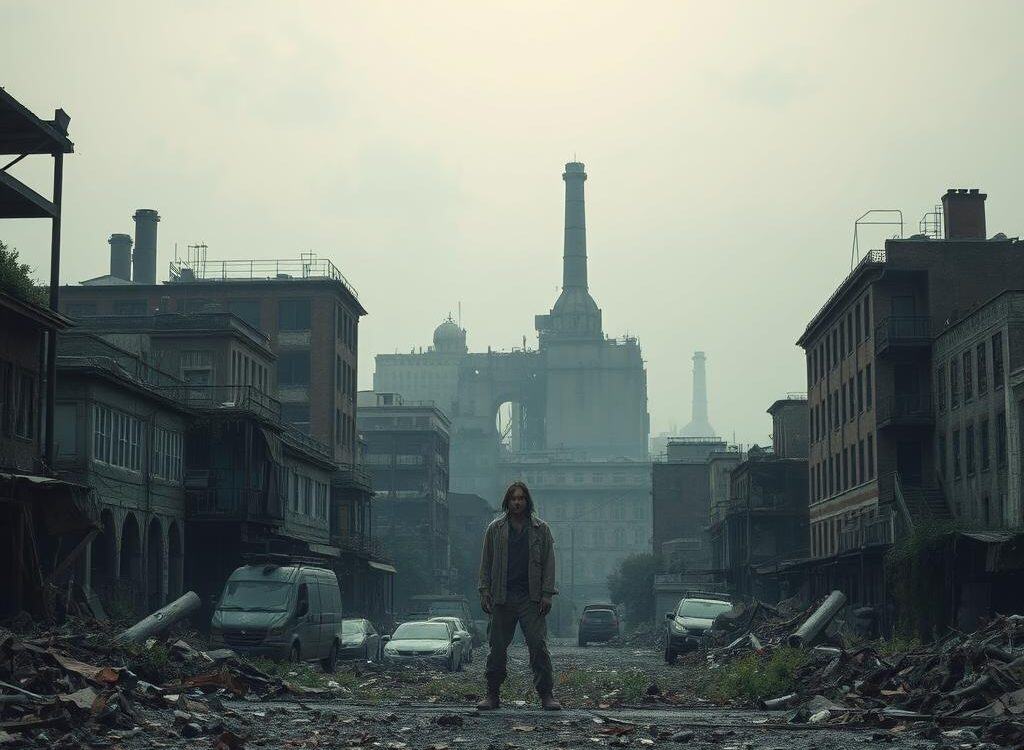
Is the American Dream Dead?
Did you know nearly 80% of Americans under 30 think the American Dream is unattainable? This shocking fact shows a growing feeling of disappointment, not just among the young but across all ages. Even those over 65 feel the same way.
Rising inflation, expensive housing, and economic troubles have changed how people see the American Dream. With mortgage payments almost doubling in four years, many feel hopeless. The dream of moving up in society seems further away than ever.
As we dive into this topic, we’ll look at the American Dream’s origins, changes, and current state. We’ll also examine how social and political views shape our perception of it today.
Key Takeaways
- 80% of Americans under 30 doubt the achievability of the American Dream.
- Housing costs and monthly mortgage payments have surged dramatically over the last four years.
- The median American income is approximately $30,000, below the financial requirements for home ownership.
- A significant divide exists in perceptions of the American Dream based on age and income.
- Political affiliations can influence beliefs about the attainability of the American Dream.
Understanding the Concept of the American Dream
The American Dream is about freedom, opportunity, and a better life. It started with the Declaration of Independence and the Constitution. James Truslow Adams talked about it in 1931, focusing on equality and happiness.
As I look into this idea, I see how it has changed. It’s been shaped by society and the economy.
Historical Origins and Evolution
The American Dream began with documents that valued liberty and equality. Early views said it was about getting better opportunities. Frederick Jackson Turner’s frontier thesis showed how the frontier spirit helped democracy and social mobility.
As America grew, the dream changed. It became about making money and achieving status. Homeownership and career success became signs of success.
American Dream in the 20th Century
In the 20th century, the American Dream meant prosperity. After World War II, many people moved up in life thanks to a strong economy. This made people believe their kids would do better than they did.
But today, many doubt this dream. Stagnant wages and growing income gaps have made people question it.
The Shift in Perception
In recent years, the American Dream has become more complex. Economic troubles have made life harder for many. A lot of Americans think the country is going in the wrong direction.
Life expectancy rates show the U.S. is falling behind in health. As society changes, we need to rethink what the American Dream means today. This is important for the next generation facing uncertain futures.
America’s Decline?
The American landscape today shows big changes, making us wonder about its future. The economy is a key area of concern, with the U.S. share of global GDP falling from 24.6% in 1980 to 19.1% in 2011. This decline is a warning sign for the nation’s future.
Economic Factors Contributing to the Decline
The job market is facing big challenges. Many jobs in manufacturing have disappeared, replaced by unstable gigs. This change makes inequality worse, leaving many people without stable income. Cuts to social programs also widen the gap, hurting those who need help the most.
Political Landscape and Its Impact on Opportunities
The political scene affects the American Dream a lot. Policies often help corporations and the rich more than the average person. This unfairness makes people question if the system is fair, favoring the wealthy over everyone else.
Social Issues and Their Role in Shaping Perspectives
Social problems are growing, making people unhappy. The COVID-19 pandemic led to a big drop in life expectancy, from 78.9 years in 2019 to 76.6 in 2020. Mental health issues and addiction rates are also rising. These problems, combined with economic troubles, make many feel hopeless about the future.
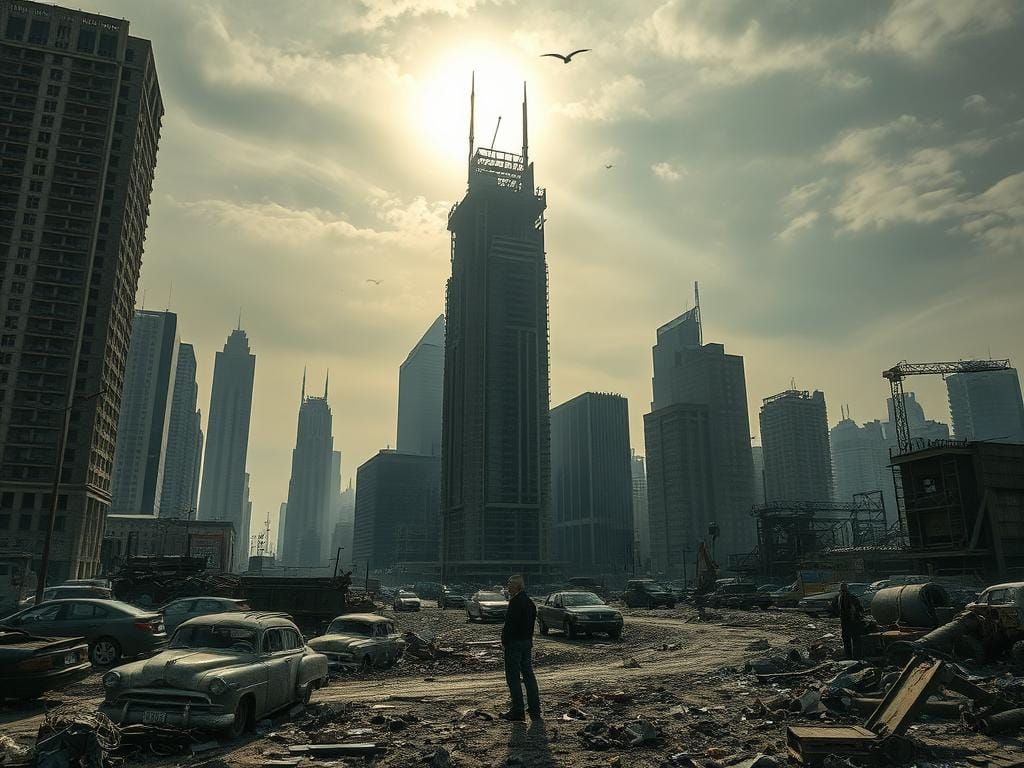
The Voices of Discontent: Perspectives from Young Americans
As a young American today, I face many challenges. College debt is a huge burden on our dreams. Finding stable jobs is hard, making us doubt our futures. Only 39% of U.S. adults are extremely proud to be American, with just 18% of 18-34 year olds feeling the same.
Frustrations Over College Debt and Employment Challenges
College tuition has skyrocketed, affecting our finances and mental health. Many graduates struggle to find good jobs. We often end up in jobs that don’t match our skills or dreams.
Young professionals feel ashamed, like Nathan Carter, who said he’s now ashamed of being American. These feelings of hopelessness are growing.
The Impact of the COVID-19 Pandemic
The COVID-19 pandemic has made things worse. Lockdowns caused job losses and changed our views on careers. Young people under 30 rank 62nd in happiness, showing our social fabric is frayed.
We deal with declining mental health, high living costs, and poor healthcare. Emily Bennett’s words hit home: “What’s to be proud of? A divided government. A corrupt SCOTUS. One party actively trying to destroy fair elections.” We want better education, corporate reform, and accountable government.
Conclusion
Looking at the American Dream today, we see both challenges and hope. The decline in community spirit, as noted by Robert Putnam, shows we need to come together again. We must work on policy changes to rebuild trust and collaboration among us.
Inequality and injustice, like the Flint water crisis and police violence, hurt our society deeply. These issues have made the middle class shrink and caused widespread sadness. The growing political divide shows our uncertainty about the future. Yet, the U.S. remains economically strong, with a big share of the world’s GDP and military power.
Looking ahead, I believe in our ability to make a change. We can work together for education, mental health, and fair work. This effort can revive the American Dream, making it accessible and meaningful for all.

Leave a Reply
You must be logged in to post a comment.