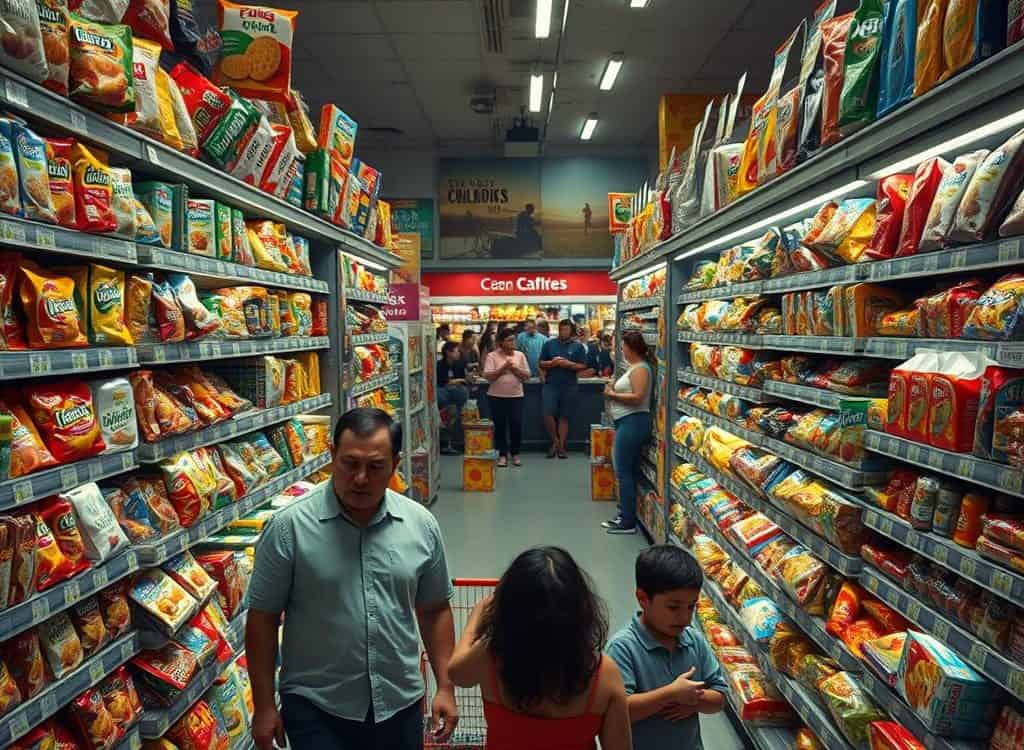
Who’s to Blame for the Obesity Crisis?
Did you know obesity costs the U.S. economy 5–14% of health spending from 2020 to 2050? This fact shows how big the obesity problem is in America. It’s clear that obesity isn’t just about personal choices. It’s a mix of many factors.
While some blame personal choices, this misses the bigger picture. Environmental and social factors also play a big role. These include easy access to unhealthy food, marketing, and inequality that makes food hard to get for some.
Understanding obesity means looking at both personal and societal factors. We need to see the bigger picture. This way, we can work together to solve the problem, not just blame one person.
Key Takeaways
- The economic burden of obesity is projected to be substantial, affecting healthcare costs significantly.
- Food marketing and the availability of unhealthy options play critical roles in the obesity epidemic.
- Parental influence is key in shaping children’s eating habits early on.
- Individual choices are important, but environment also greatly affects obesity rates.
- The blame for obesity can’t just be on individuals, considering social factors.
- Knowing the many sides of obesity can help us find better ways to improve public health.
The Obesity Epidemic: Understanding the Scope
The obesity epidemic is a big challenge, affecting millions worldwide. In the United States, obesity rates have skyrocketed. About 42% of adults here are obese, showing how serious this issue is. The economic costs of obesity are also growing.
Current Statistics on Obesity
In recent years, obesity rates have soared globally, including in the U.S. Urban areas see more obesity due to easy food and less activity. For example, in the U.S., 65% of adults are overweight or obese, with 30% obese. Obesity among kids and teens is also rising, worrying about their future health.
The Economic Impact of Obesity
Obesity’s economic toll is huge. It’s estimated to cost up to 14% of all health spending. This cost is expected to grow, affecting healthcare and work productivity. Low-income areas struggle more, with less access to healthy food, making health disparities worse. If we don’t tackle these problems, obesity will keep hurting both people and the economy.
Fast Food’s Role in the Obesity Crisis
The impact of fast food on obesity is huge. There are now about 300,000 fast-food places in the U.S., up from 150,000 in 1970. This shows how easy and cheap fast food is, attracting many, mainly in cities where healthy food is hard to find. Fast food meals often have 540 to 880 calories and 29 to 52 grams of fat, leading to unhealthy eating.
Accessibility and Marketing Tactics
Fast-food chains use smart marketing to draw in customers. They offer deals like dollar cheeseburgers and combo meals. With fast food everywhere, it’s easy to eat too much. Studies show 72.4% of students eat fast food monthly, with boys eating it more than girls.
Public Perception of Responsibility
Many think personal choices, not fast food, cause obesity. A big 94% of people see personal blame as the main reason for obesity. This makes it hard for policy makers to fight obesity. It’s tough to change public health policies when people think it’s all about personal choice.

Public Policy and Its Effectiveness
Many government initiatives aim to fight obesity. These efforts include strategies to improve public health policy. A big focus is on controlling food choices and encouraging healthier eating.
Countries like Mexico have introduced a sugar tax. This move led to a drop in sugary drink sales. It shows how policies can help reduce obesity.
Government Regulations and Initiatives
The Food and Drug Administration (FDA) is key in setting health policy. They require calorie and nutrition labels on food. Local governments also limit fast-food near schools to promote healthier eating.
This is important because the World Health Organization sees obesity as a major health issue. But, how well these rules work depends on how they’re put into action and how people respond.
Challenges in Policy Implementation
Even with good plans, making policies work can be tough. Some people might not change their eating habits, even with more information. This is because many see obesity as a personal problem, not a public health issue.
This gap between what people think and what governments do highlights the need for teamwork. We must work together to make obesity reduction strategies more effective.
Conclusion
The obesity epidemic is more than just personal choices. It’s a complex health crisis that has grown a lot over the years. The rise in ultra-processed foods and aggressive marketing to kids have led to more obesity. We all need to work together to find solutions.
We must make healthy choices easier and cheaper. A tax on sugary drinks could cut down on calories and fund health programs. School programs that promote healthy eating and exercise are also key. They show we need to act together for a healthier world.
The need to tackle obesity is urgent. By joining forces, we can change how society views health and food. This way, we can create a better future for everyone. A team effort is needed to fight obesity and its health costs.

Leave a Reply
You must be logged in to post a comment.