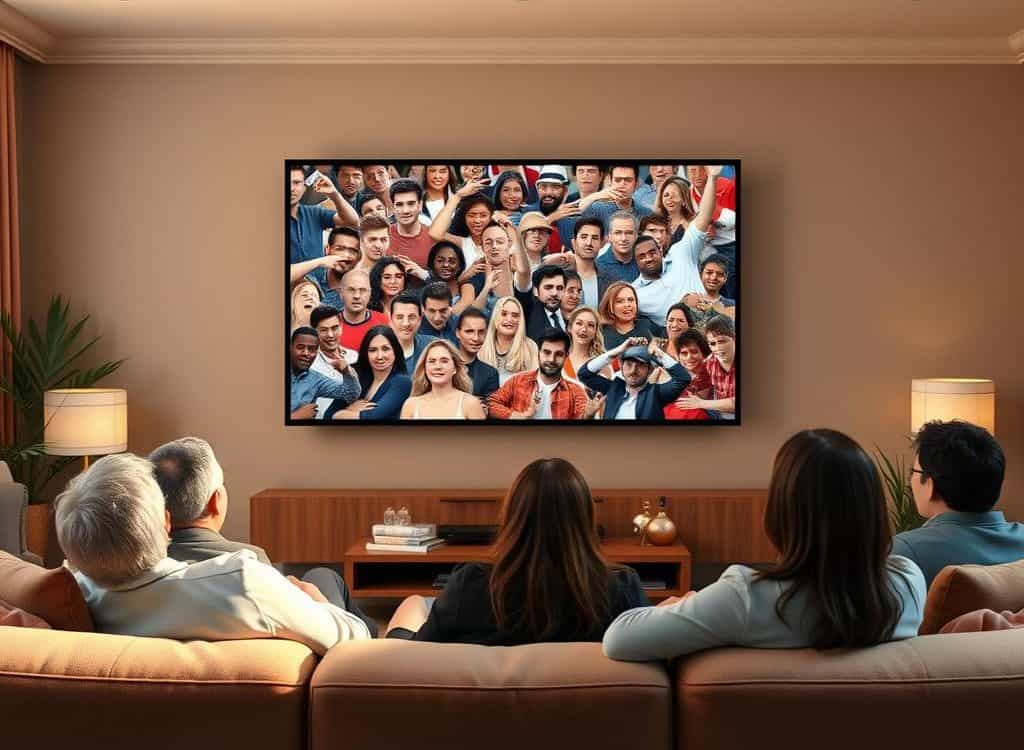
Is Reality TV Making Us Dumber?
Did you know that watching too much reality TV can change kids’ brains? It can make their verbal IQ go down and make them more aggressive. This is a big problem that has been growing in our culture.
Reality TV started with MTV’s The Real World in 1992. It was meant to talk about important issues like gay rights and race. But soon, it turned into something more sensational. This change marked a big shift in how we watch TV.
As I look into reality TV, I think it might be making us less smart. Dr. Marcia Sirota says it can make us act rudely and aggressively. Shows on Bravo and VH1 show extreme behaviors as entertainment. This makes it hard to tell what’s real and what’s just TV.
In this article, I’ll explore how reality TV has changed our society. I’ll also look into if it’s making us less intelligent.
Key Takeaways
- The Real World shifted from social issues to sensational content over the years, reflecting a broader trend in reality TV.
- Studies show prolonged viewing can decrease verbal IQ in children and increase aggressive behaviors.
- Dr. Marcia Sirota highlights the negative character traits reality TV promotes, such as rudeness and selfishness.
- Aggressive behaviors may be normalized through offensive actions rewarded in reality shows.
- Societal rudeness has surged alongside the rise of uncivil discourse in reality television.
Understanding the Reality TV Influence on Society
Reality TV has become a big part of our media world. It grabs the attention of millions and shapes what we think is normal. With over 750 unscripted series, it shows how much we watch TV.
This widespread appeal makes us wonder how it changes our behavior and views. Does it influence how we act, think, and see the world?
The Rise of Reality TV and Its Popularity
Reality TV’s popularity grew because it shows us sensationalized lifestyles. This can lead to unrealistic comparisons. Many people get caught up in the drama of others’ lives, finding a connection or escape.
Reality TV has also made gender stereotypes and societal expectations more common. Studies show it can make people more anxious about their bodies and change their views on love. This can make audiences focus on superficial things.
Media Priming and Its Effects
Media priming is key to understanding reality TV’s impact. Watching these shows can shape our emotions and actions. It can change what we see as normal.
Young viewers might find it hard to tell reality TV from real life. This can slow down their thinking and learning. It might also make them act like they see on TV, like using drugs or dating in a shallow way.
The Detrimental Effects of Reality TV on Intelligence
Reality TV has grown from just entertainment to a big part of our culture. It affects how we think and act. Watching it can lower our IQ and make us ruder.
Lowering IQ and Encouraging Rudeness
Studies show reality TV can change kids’ brains, making their verbal IQ go down. Dr. Joanne Cantor talks about media priming. This means watching certain behaviors makes them seem normal and okay.
This can make kids more aggressive and rude. Shows like “The Real Housewives” show a lot of conflict. This can teach young viewers to be more aggressive.
Celebrating Mediocrity: Junk Food for the Brain
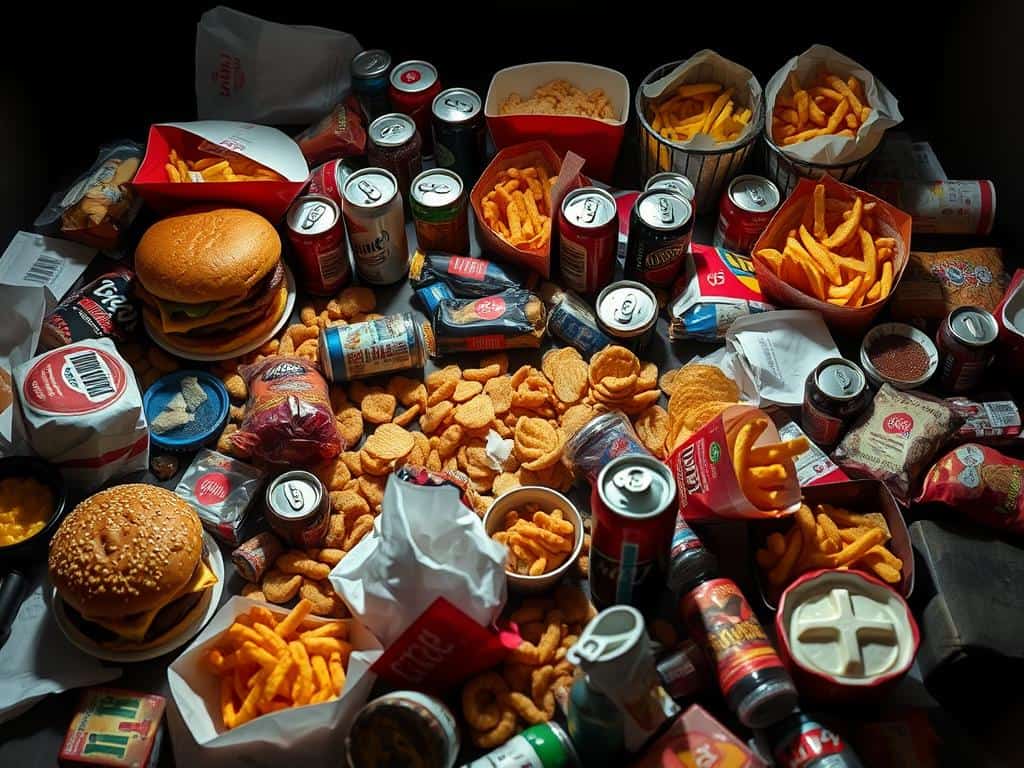
Dr. Marcia Sirota calls reality TV “junk food for the brain.” It doesn’t give us anything good to think about. It’s like eating empty calories that don’t do anything for us.
Reality shows focus a lot on money and fame. This can make people think success is all about being famous, not smart or hardworking. It can make young viewers think the wrong things about success.
Conclusion
Reality TV has a big impact on society and our minds. While it offers a break from reality, it also lowers our thinking and social skills. It has changed American culture and how we see celebrities.
It’s important for us to think critically about what we watch. This helps us understand the shows better. It also helps us see the good and bad in them.
Reality TV shows often focus on the surface, not the real issues. Shows like “Queer Eye” and “RuPaul’s Drag Race” help start important talks. But, many shows make us think the wrong things about love and success.
We need to teach kids to think deeply about what they watch. This helps them tell the difference between real life and TV. It’s our job to make sure reality TV is good and shows different views.

Leave a Reply
You must be logged in to post a comment.