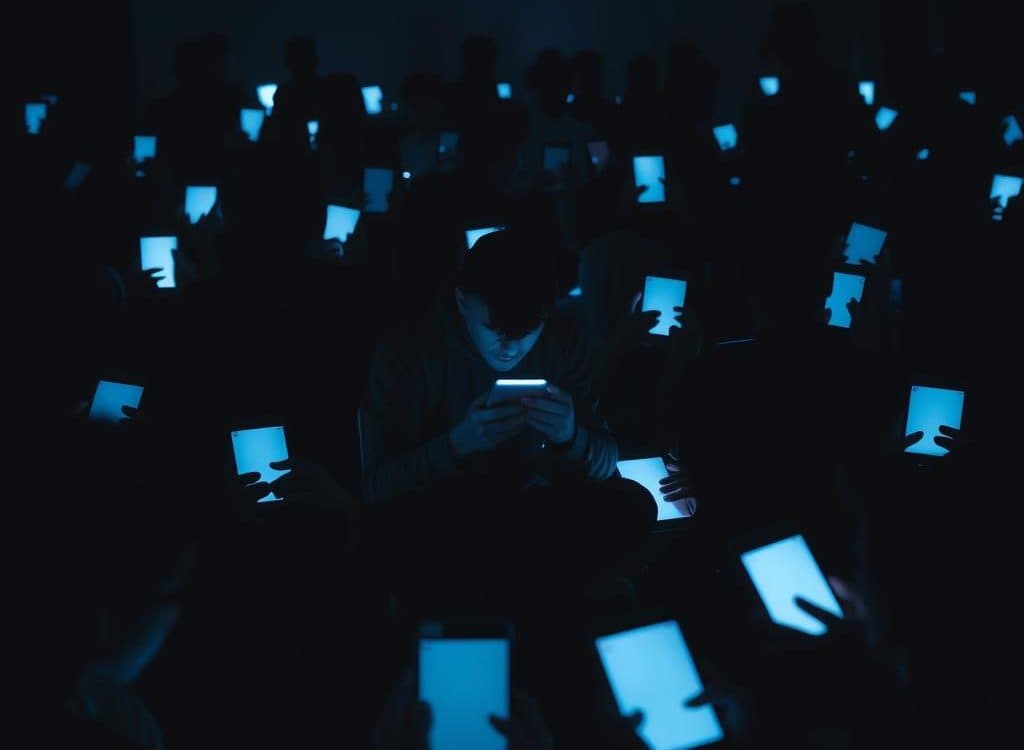
Why Are We Lonelier Than Ever Despite Being Connected?
Did you know that 40% of 16 to 24-year-olds often feel lonely, according to the BBC Loneliness Experiment? This shows a paradox of our time. We’re more connected online, yet we feel farther apart emotionally. Exploring why loneliness is rising in our society is key.
Loneliness isn’t just about being alone. It can come from friendships that don’t fulfill us or lack of real emotional support. Being around people doesn’t always mean we feel connected. In fact, crowded places can make us feel more isolated. A 2021 study found that people in busy areas feel lonelier. This shows loneliness isn’t just about being alone, but also about personal and societal issues made worse by our digital lives.

I want to understand why we feel so isolated, even with all the technology connecting us. Loneliness is complex, and knowing its causes is vital. We need to find ways to build deeper connections in our digital world.
Key Takeaways
- Loneliness is prevalent even in densely populated areas.
- 40% of young adults often feel lonely, highlighting the loneliness epidemic.
- Loneliness can arise from emotional distances in relationships.
- Even before the COVID-19 pandemic, half of U.S. adults experienced measurable loneliness.
- True connection may be hindered by our digital life, despite increased
accessibility.
The Rise of Loneliness in Modern Society
Social interactions have changed, showing a big increase in loneliness among all ages. This loneliness is more than just being alone. Many feel disconnected from their relationships and the world. Loneliness is a big problem for our emotional and mental health.
Understanding Loneliness Beyond Physical Isolation
Loneliness is not just about being alone. It’s about feeling emotionally disconnected, even when surrounded by people. About 21% of adults say they feel very lonely.
People aged 30-44 are the loneliest, with 29% saying they feel lonely often or always. This loneliness is linked to mental health issues and feeling disconnected from life. Studies show this is a big problem.
Statistics Highlighting the Loneliness Epidemic
Almost 50% of American adults feel lonely. Loneliness is closely tied to mental health problems, with 81% of lonely adults feeling anxious or depressed.
65% of lonely people feel disconnected from others. The Surgeon General says loneliness is as bad as smoking 15 cigarettes a day. This shows how urgent it is to tackle this issue.
Technology, like social media, makes loneliness worse. It leads to unhealthy comparisons and feelings of missing out, mainly among the young. Knowing this can help us find ways to connect better.
Digital Life vs. Real Connections
In today’s world, digital interactions are common, changing how we connect. Social media plays a big role in our lives, bringing both benefits and drawbacks. While sites like Facebook, Instagram, and Twitter help us talk, they don’t replace deep, meaningful relationships.
The Role of Social Media in Human Interactions
Social media has changed how we connect, making it easy to reach out. But, it often leads to shallow friendships that lack the depth of real talks. A 2021 study found that too much social media can make people feel lonely and depressed. It showed that heavy users are 2.7 times more likely to feel sad.
Even though we’re more connected online, many feel lonelier than ever. Over a third of Americans say they feel lonely.
The Impact of Urbanization on Loneliness
Urban living shapes our social world, making us feel isolated. Cities are crowded, but we might feel less connected. Research shows loneliness has doubled in 30 years, linked to city living.
The idea is that using tech to avoid people makes loneliness worse. Feeling disconnected is a big problem today.
Conclusion
Loneliness in our world today is complex, influenced by how we’ve evolved socially and my own life. It’s shocking to see how serious loneliness can be. Studies show it can lead to dementia, heart disease, and strokes.
These findings make it clear that loneliness is not just a personal issue. It’s a big health problem that we all need to tackle quickly.
It’s important to know that fighting loneliness means building strong social bonds. Programs like the UK’s social prescribing show how local efforts can help. They help us feel connected and fight off loneliness.
This approach matches the UN’s focus on Healthy Ageing. They see tackling loneliness as a key part of staying healthy as we age. This shows that we need to take action to support each other.
Loneliness also costs a lot, adding $6.7 billion to Medicare each year. It hurts productivity in many areas. But, small acts of kindness can help a lot.
For example, the Kind Challenge shows how kindness can reduce loneliness. This shows how important it is to build strong relationships in our communities.
To beat this loneliness epidemic, we need to be understanding and actively work together. We must focus on creating real connections in our communities.

Leave a Reply
You must be logged in to post a comment.