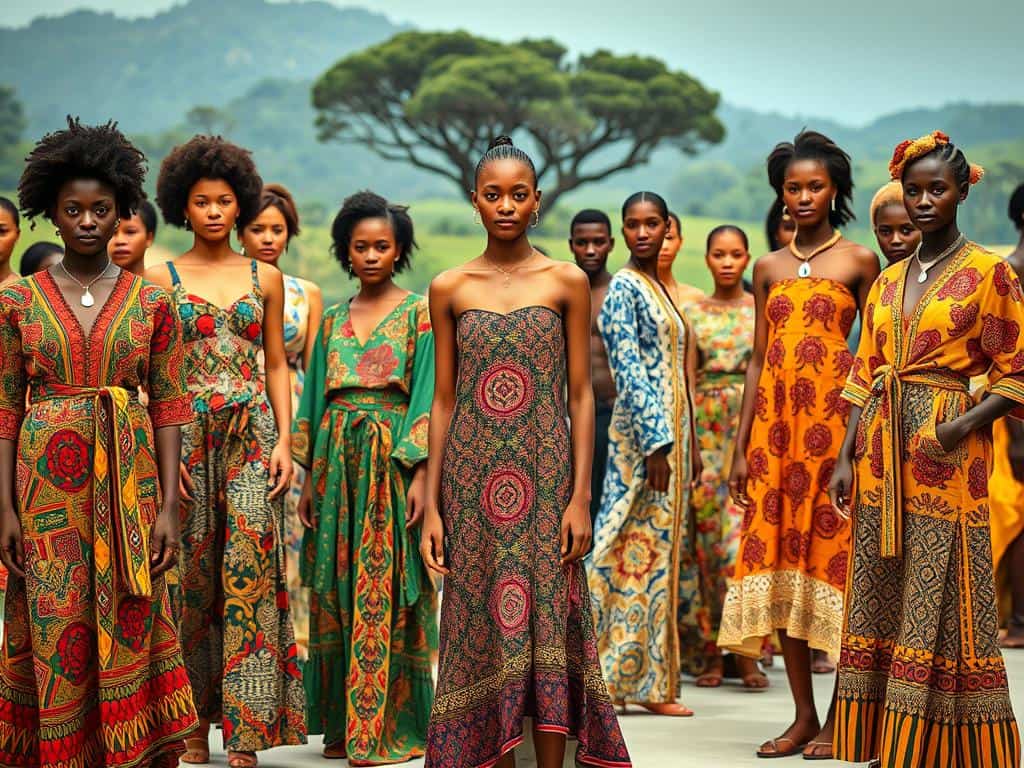
Cultural Appropriation: Harmless or Highly Offensive?
Did you know over 50% of Americans think cultural appropriation is okay in some cases? But, opinions on this topic vary a lot among different races and communities. This shows a big controversy around cultural appropriation.
As I explore this topic, I wonder if sharing cultural elements is harmless. Or does it spread stereotypes and hurt the identity of groups that are often overlooked? In today’s world, it’s very important to look at how cultural things, like fashion and symbols, are used and the ethics behind it.
Fashion shows with Native American war bonnets and debates about sacred symbols like the bindi or sombrero show how complex this issue is. Are these acts of respect, or do they make cultural importance seem less important? The effect on identity is huge, as taking cultural elements out of their context can lead to serious ethical questions.
Key Takeaways
- Beliefs about cultural appropriation vary significantly across different cultures.
- Cultural elements, when taken out of context, can perpetuate harmful stereotypes.
- Cultural appropriation often creates a power dynamic between dominant and marginalized cultures.
- Fashion collaborations can sometimes trivialize cultural symbols, causing backlash.
- Understanding the implications of cultural appropriation is essential for fostering respect.
Understanding Cultural Appropriation: A Complex Debate
Cultural appropriation is a hot topic, with many opinions on it. It’s about when people from a dominant culture take things from minority cultures. Some say it’s okay, while others see it as exploitation. This debate shows the complexity of cultural exchange.
Defining Cultural Appropriation
Cultural appropriation is when someone takes something from another culture without respect. Famous cases show how this can lead to big problems. For example, Adele was criticized for wearing a Jamaican-flag bikini and Bantu knots.
This sparked a big talk about cultural symbols and their history. It’s about how dominant cultures can take things from minority cultures and lose their true meaning.
The Power Dynamics Involved
Looking into cultural appropriation, we see power plays. Dominant cultures often take from minority cultures, making things worse. The change in the Washington Redskins name is a good example of this.
It shows how society can change because of cultural misunderstandings. Celebrities like Kim Kardashian and Lena Dunham have faced criticism for wearing cornrows. It shows that cultural symbols carry deep meanings and stories of struggle.
To handle cultural appropriation with care, we need to appreciate and understand our own culture. We should listen to those from other cultures and know the history behind their symbols. It’s important to respect and share our cultures in a way that’s fair.
Thinking about how we would feel if our cultural symbols were taken can help. It encourages us to value mutual respect and understanding in cultural exchange.
Cultural Appropriation in Fashion and Identity
The fashion world often faces the challenge of cultural appropriation. This issue is seen in many examples where indigenous cultures’ symbols and traditions are used inappropriately. For instance, a vintage Jean Paul Gaultier top with Native American and cowboy images is a clear example. Also, a gold cocktail ring that looks like a cartoonish headdress shows how cultural identity is being sold.
Examples of Cultural Appropriation in Fashion
A vintage sports tee with the word “Squaw” is a striking example. Such choices not only misrepresent cultures but also spread harmful stereotypes. Gucci’s 2018 runway show, where white models wore turbans, also faced criticism from the Sikh Coalition. The fact that it was sold for $790 shows a clear disregard for the turban’s cultural value.
Nordstrom quickly removed the item after public backlash. This shows that the fashion world can listen to calls for ethics and sensitivity.
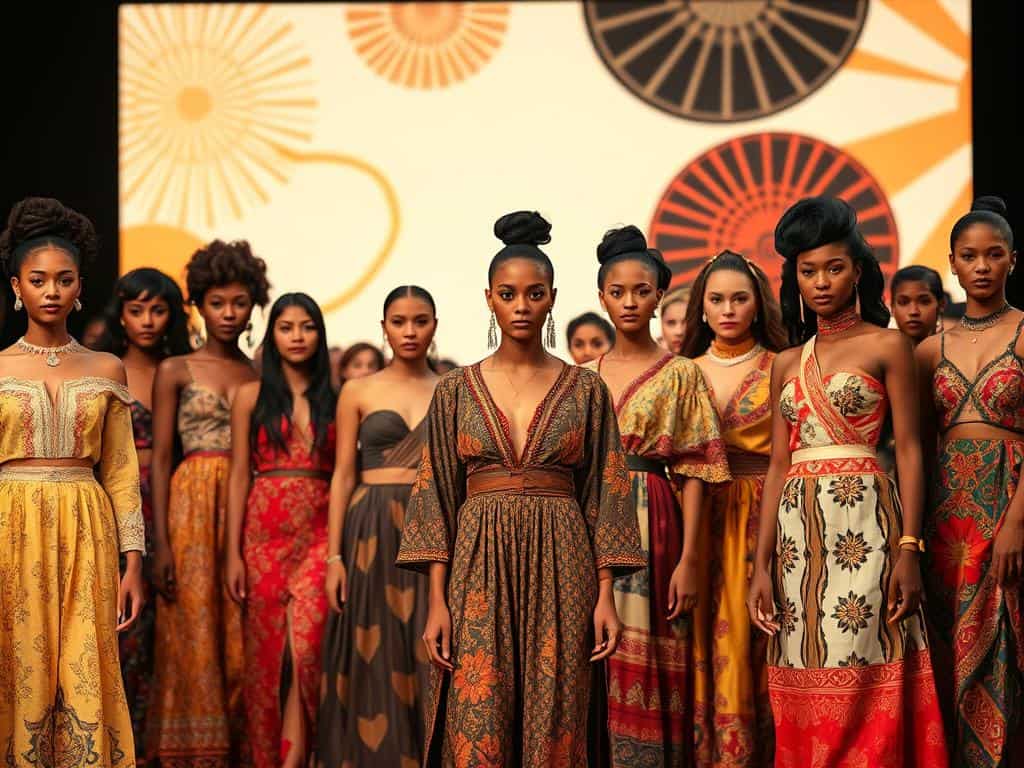
Victoria’s Secret has also been criticized for culturally insensitive designs. But, some designers are taking a different path. Aurora James’s Brother Vellies program works with artisans in Africa. Maria Grazia Chiuri has partnered with craftsmen in Mumbai and Mexico City for Dior. These efforts show a commitment to respecting cultural identity.
Impact on Identity and Ethics
Cultural appropriation hurts the identity of marginalized groups. It reinforces harmful stereotypes and lessens the value of their cultures. It’s important to understand the history and context of these designs to show respect.
Social media has become a powerful tool for holding brands accountable. It has helped change how people think about these issues. Marginalized communities are speaking out against appropriation, calling for genuine appreciation over commercial use. Fashion ethics now mean carefully considering the impact of designs on cultural identity and heritage.
Conclusion
Cultural appropriation is a complex issue, as seen in this article. UNESCO’s MONDIACULT 2022 conference showed us that culture is a global good. It’s important to protect indigenous knowledge and traditions.
Approaching cultural elements with respect is key. This is not just good; it’s necessary for ethical engagement. We must understand the difference between cultural appropriation and appreciation.
For example, Kendall Jenner’s tequila brand and cultural symbols like dreadlocks and food traditions are at the center of this debate. We should aim for cultural exchange that respects and honors these elements. This means listening to marginalized voices and valuing their perspectives.
Cultural exchange can greatly enrich our lives, as shown by educational programs like the virtual course on First Nations art. But, we must do it ethically. Without respect, we risk losing the true meaning of cultural materials, like the ruana from Colombia.
So, I urge us all to work together. Let’s foster respect and understanding in our interactions with different cultures. This way, we can avoid the harmful effects of cultural appropriation and truly appreciate cultural identity.

Leave a Reply
You must be logged in to post a comment.