Why Do People Follow Trends? The Science Behind Fads
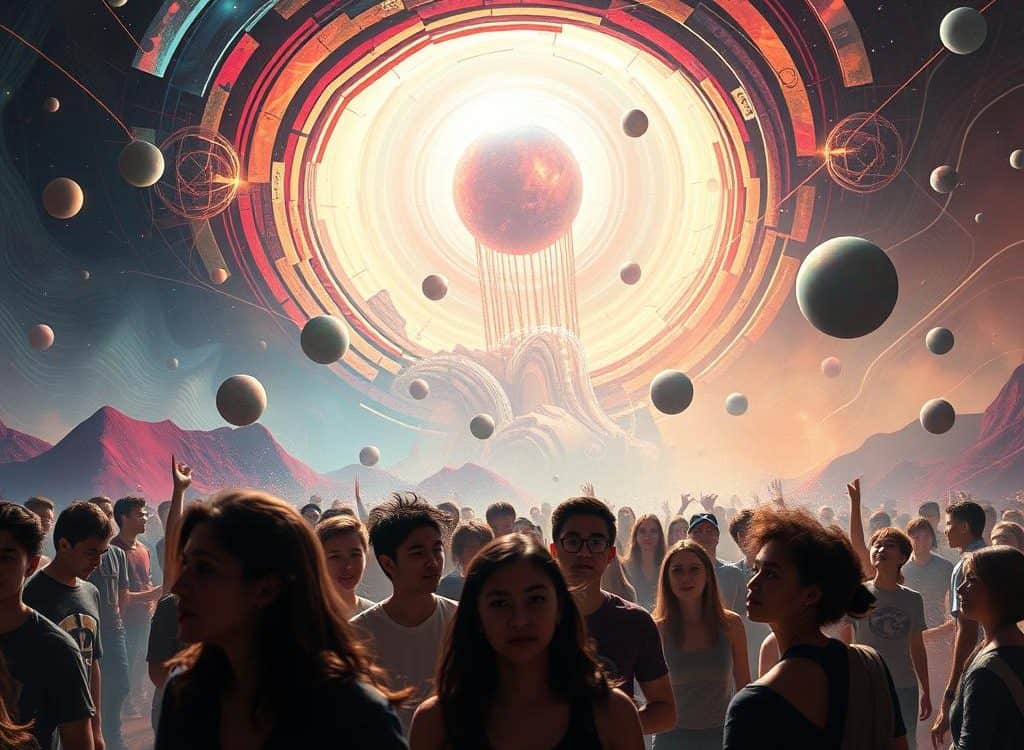
Did you know nearly 70% of people follow trends because others do? This shows how much we want to be accepted and belong. Our desire to fit in is a key part of why we follow fads, driven by our biology and psychology.
Looking into why we follow trends helps us understand today’s culture and our connections with others. Things like wanting to show who we are, making quick decisions, and the big role of social media after COVID-19 all play a part. Let’s dive deeper into this fascinating social dynamic.
Key Takeaways
- The bandwagon effect shows how social behavior leads to following trends.
- Our need for acceptance is a basic human drive that makes us want to fit in.
- Heuristics help us make choices, leading us to follow popular trends.
- After COVID-19, social media has made trends even more influential in our lives.
- Identity signaling shows how trends reflect our social connections.
The Bandwagon Effect and Social Influence
The bandwagon effect shows how people follow trends because they see others doing it. It shows the power of social influence in our choices. Many times, I choose what’s popular, whether it’s a trendy restaurant or the latest tech.
Understanding the Bandwagon Effect
The bandwagon effect says people do things if most others do. It’s seen in fad diets and political choices. *I’ve seen it in elections where people follow the popular candidate.*
Peer pressure makes us want to fit in. Fashion trends, like wide-leg pants, quickly become popular. Slang like “bet” spreads fast on TikTok.
The Role of Social Influence
Social influence shapes trends and behaviors. People want to belong and feel validated by others. This can lead to buying things just because they’re popular.
Repeating ideas makes them seem true, like the illusory truth effect. This affects our choices in finance and consumer behavior. Understanding this shows how social influence affects our daily decisions.
The Psychology of Trends
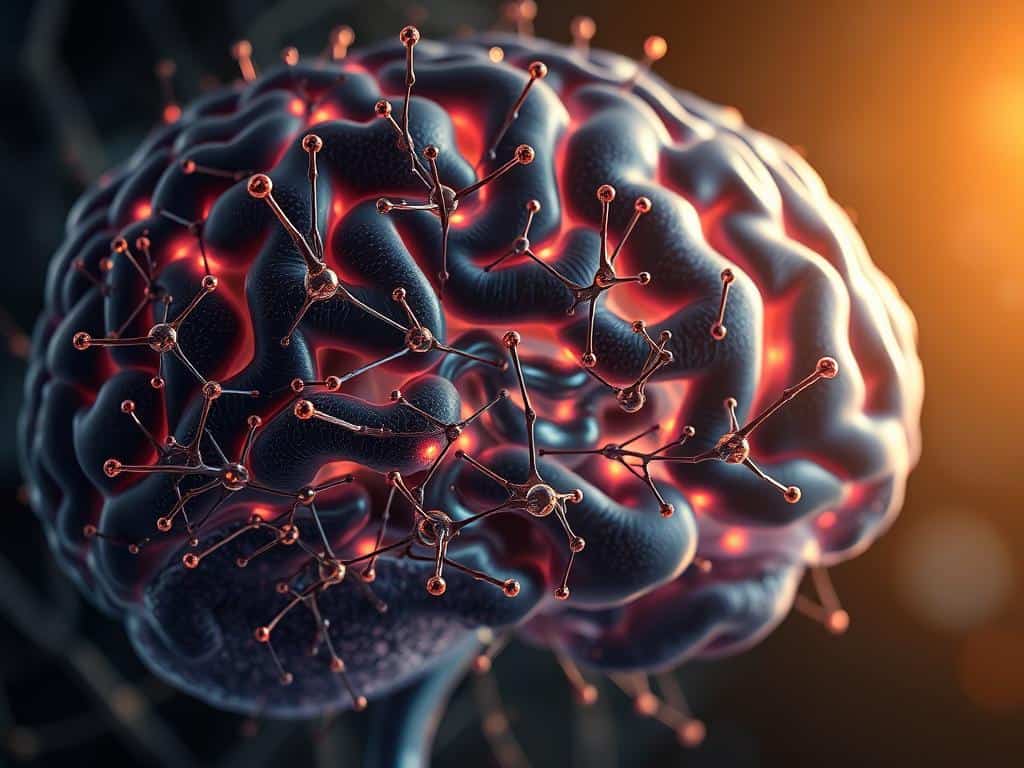
Exploring the psychology of trends offers deep insights into human nature. Biological drivers are key in why we follow trends. This urge is linked to our need for social connection, a core part of evolutionary psychology.
As social creatures, we crave to belong. Trends help us feel part of a group.
Biological Drivers of Trend Following
The idea of social proof shows how we adopt behaviors and styles because they match what others do. Seeing friends or colleagues follow trends makes me want to do the same. Brands use this by creating a sense of urgency with limited offers.
Platforms that show content based on user behavior make following trends almost automatic.
Identity Signaling
Identity signaling also plays a role in how we present ourselves through fashion, hobbies, and lifestyle. When I choose a popular style, it shows my values and affiliation. Trends help us stand out while bonding with others in our groups.
Each trend shapes our self-image and reflects cultural shifts. These shared signs of identity make us feel like we belong.
The Impact of Pop Culture and Social Media
Pop culture is a powerful force in shaping trends. It creates a world where ideas, styles, and behaviors grow. Cultural phenomena come from media like music, film, and fashion.
Anything that grabs the public’s attention shows society’s dynamics. It often starts a bigger trend. Pop culture is a space for creativity and self-expression, making trends part of our daily lives.
Pop Culture’s Influence on Trends
Pop culture shapes what we like and expect. Trends start and grow from big moments in TV, movies, or celebrity endorsements. When a famous person supports a style or product, it can change public opinion fast.
This shows pop culture’s power to make ideas popular. It proves the media’s role in speeding up trends.
The Acceleration of Trends Through Social Media
Social media makes trends spread faster, acting as a spark and booster. During the COVID-19 pandemic, I saw how TikTok and Instagram quickly spread movements. These platforms show how community and connection grow online.
I often see viral challenges and dances that spread quickly. This shows how social media speeds up trends. It not only shows the latest trends but also shapes them, encouraging people to join cultural conversations.
Conclusion
Understanding trends shows a deep link between our social actions and society’s big picture. Our need for connection, identity, and acceptance drives us to follow trends. These needs shape how trends start and grow, affecting what we buy and choose.
The fast-changing world of trends makes it key to base actions on solid research. Without it, we risk wasting time and causing harm. Seeing trends that seem good but turn out bad shows we need clear information and public awareness. It’s vital to connect research with real-world actions through education and critical thinking.
As trends come and go, knowing our reasons and the world around us helps us make smart choices. The thrill of new trends is real, but I stay aware of what drives me and the impact on society. This awareness broadens my view and helps me grasp the complex social forces that shape our actions.

Leave a Reply
You must be logged in to post a comment.