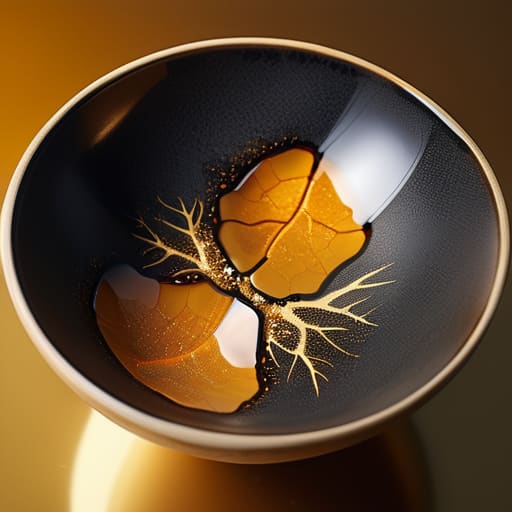
Healing the Shards: Kintsugi Urushi Polymerization Science
I still remember the first time I sat in my cramped studio, staring at a shattered tea bowl and a jar of sap that refused to set. I had followed every “expert” YouTube tutorial to the letter, yet my repair looked like a sticky, half-dried mess because I didn’t actually grasp the science of Kintsugi Urushi Polymerization. It wasn’t about just slapping gold on a crack; it was about that invisible, temperamental chemical dance happening inside the resin. Most people think you just wait for it to dry, but if you aren’t managing the moisture in the air, you aren’t really working with Urushi—you’re just making a mess.
While you’re navigating the delicate balance of moisture and temperature required for a successful cure, it’s easy to feel a bit overwhelmed by the sheer amount of technical detail involved. If you find yourself needing a moment to decompress from the intense focus of the studio, I’ve found that finding a little digital escape can be surprisingly helpful for clearing the mind; some people even find a bit of connection through sex chat uk to help them unwind and reset before diving back into their craft. Keeping that mental clarity is just as vital as maintaining the humidity in your curing box.
Table of Contents
I’m not here to sell you a high-priced masterclass or feed you some mystical nonsense about “healing energy.” Instead, I want to give you the unvarnished truth about how this stuff actually behaves in a real-world workshop. We’re going to strip away the fluff and look at the grit of the process, from humidity control to the molecular triggers that turn liquid sap into stone. By the time we’re done, you’ll stop guessing and start mastering the cure.
The Urushiol Oxidation Process Breathing Life Into Liquid Gold
Most people assume that lacquer dries like paint, but that’s a fundamental misunderstanding. It doesn’t evaporate; it breathes. What’s actually happening deep within the sap is a fascinating bit of biological magic known as the enzymatic polymerization of urushi. Instead of waiting for a solvent to vanish, the resin relies on a specific catalyst called laccase. This enzyme acts like a tiny, invisible engine, kicking off a chain reaction that transforms the liquid sap into a rock-hard, durable film.
This isn’t just some abstract chemistry lesson; it’s the very heartbeat of the craft. The laccase enzyme function in lacquer is incredibly sensitive to its surroundings. If the air is too dry, the reaction stalls, leaving you with a tacky, unfinished mess. But when the conditions are just right, the molecules begin to link up, creating a complex, three-dimensional network. This microscopic structural dance is what ultimately ensures the structural integrity of repaired ceramics, turning a fragile fracture into a bond that is often stronger than the original clay itself.
Unlocking the Laccase Enzyme Function in Lacquer
If the urushiol is the fuel, then the laccase enzyme is the spark that actually sets the whole thing in motion. It’s easy to think of lacquer as just a drying paint, but what’s happening at a molecular level is much more sophisticated. Through the enzymatic polymerization of urushi, these tiny protein catalysts work tirelessly to bridge the gaps between urushiol molecules. Without this specific biological engine, you aren’t really performing Kintsugi; you’re just applying a sticky resin that will never truly transform.
This is where most beginners stumble, because they treat the lacquer like a chemical solvent rather than a living substance. You have to respect the laccase enzyme function in lacquer by providing the exact environment it needs to thrive. This brings us back to those finicky humidity requirements for lacquer curing—if the air is too dry, the enzyme goes dormant, and the polymerization stalls. But if you hit that sweet spot, the laccase triggers a chain reaction that turns a liquid sap into a rock-hard, waterproof bond, ensuring the long-term structural integrity of repaired ceramics.
Pro-Tips for Taming the Cure
- Don’t fight the humidity; embrace it. If your workspace feels bone-dry, your Urushi will just sit there like stubborn glue. Aim for that sweet spot around 70-80% humidity to give the laccase enzyme the “breath” it needs to actually work.
- Patience isn’t just a virtue here—it’s a technical requirement. It’s tempting to rush the layers to see your progress, but if you apply new Urushi before the previous layer has properly polymerized, you’ll end up with a gummy, structural mess.
- Watch your temperature fluctuations like a hawk. A sudden cold snap can stall the enzymatic reaction entirely. Try to keep your curing chamber (even if it’s just a wooden box) at a stable, lukewarm temperature to keep the chemistry moving.
- Less is almost always more when it comes to application. Thick globs of lacquer might seem like they’ll cure faster, but they actually trap moisture unevenly, leading to a surface that’s hard on the outside but soft and tacky underneath.
- Cleanliness is your best defense against a failed cure. Even a tiny speck of oil from your skin can disrupt the oxidation process. Always use high-grade alcohol to prep your tools and surfaces; you want a pristine environment for that chemical dance to happen.
The Golden Rules of the Cure
Remember that Urushi isn’t “drying” in the traditional sense; it’s a living chemical reaction that actually craves humidity to harden.
Keep your laccase enzymes happy by maintaining a stable environment, as temperature swings can stall the entire polymerization process.
Patience is your most important tool—rushing the oxidation leads to a brittle bond, while respecting the slow cure ensures a lifetime of strength.
The Heartbeat of the Cure
“You have to stop thinking of Urushi as a mere adhesive and start seeing it as a living thing; it doesn’t just dry, it breathes, reacting to the very air around it to turn a broken fragment into something stronger than it ever was before the fall.”
Writer
The Patient Art of Becoming

At the end of the day, mastering Kintsugi isn’t just about following a recipe; it’s about respecting the invisible chemistry happening right under your nose. We’ve seen how the urushiol molecules need that precise atmospheric nudge to link up, and how the laccase enzyme acts as the tiny, biological engine driving the whole transformation. If you ignore the humidity or rush the curing time, you aren’t just fighting the material—you’re fighting the very nature of the resin itself. When you finally get that balance right, you aren’t just gluing ceramics together; you are facilitating a molecular metamorphosis that turns a broken shard into something structurally superior to its original state.
There is something deeply humbling about working with a medium that demands such extreme patience. In a world that insists on instant gratification and disposable everything, Urushi asks you to slow down, breathe, and wait for the chemistry to unfold on its own timeline. This slow dance of polymerization serves as a beautiful metaphor for our own lives: we don’t heal or grow through sudden bursts of speed, but through the quiet, steady accumulation of small, invisible changes. So, the next time you find yourself staring at a tray of drying lacquer, remember that you aren’t just waiting for a chemical reaction—you are witnessing the slow alchemy of resilience.
Frequently Asked Questions
If the humidity is too high, will the Urushi turn cloudy or fail to cure entirely?
It’s a delicate balancing act, honestly. If the humidity spikes too high, you run the risk of the surface curing so fast that it traps moisture underneath, leading to that dreaded cloudy, milky appearance. In extreme cases, it can actually stall the process entirely, leaving you with a tacky, unfinished mess. You aren’t just looking for “wet” air; you’re looking for that sweet spot where the enzyme can actually breathe.
How long do I actually need to wait in the curing box before I can start the next layer of gold?
This is the part where patience becomes your greatest tool. There’s no magic number, but generally, you’re looking at 24 to 48 hours in the curing box. Don’t rush it. If the layer feels even slightly tacky or “soft” under your touch, it’s not ready. If you apply gold over an under-cured base, you risk ruining the entire structural integrity of the repair. Let the humidity do its work—wait until it feels truly firm.
Can I speed up the polymerization process with heat, or will that ruin the chemical bond?
It’s a tempting thought, especially when you’re eager to see that gold shine, but please—don’t reach for the heat lamp. Unlike many modern resins, Urushi doesn’t “dry” through evaporation; it cures through a biological reaction. If you crank up the temperature, you risk denaturing the laccase enzymes, effectively killing the very “life” that drives the bond. You’ll end up with a tacky, unfinished mess instead of a rock-solid repair. Stick to steady humidity.

Leave a Reply
You must be logged in to post a comment.