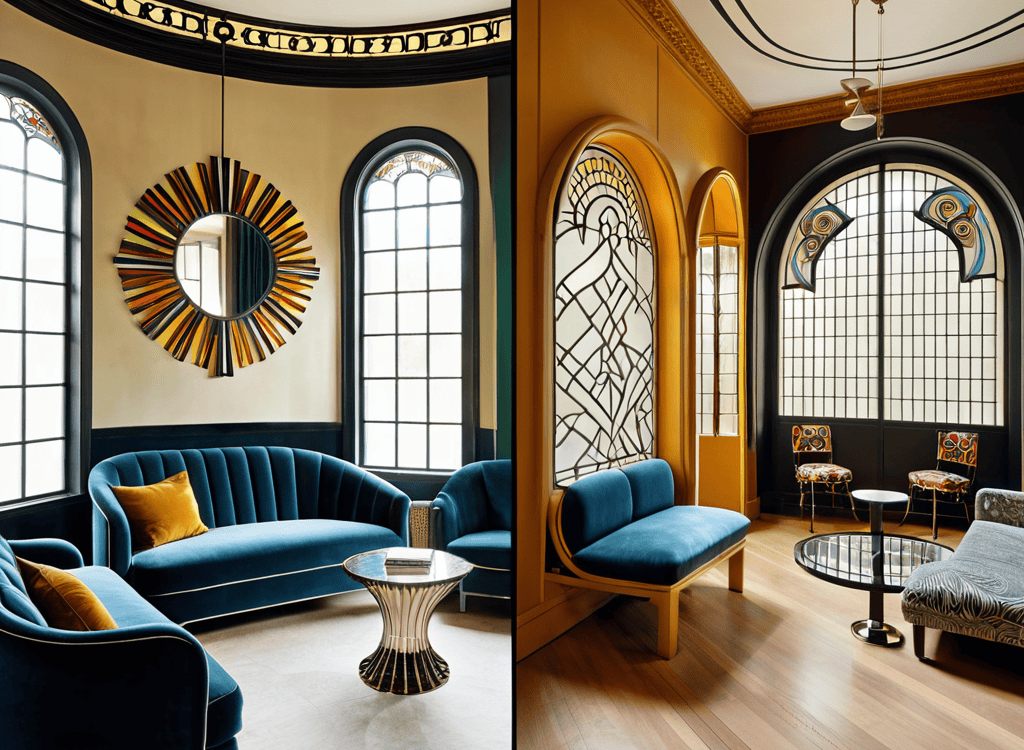
Geometric Vs. Organic: How to Finally Tell Art Deco and Art Nouveau Apart
I still remember walking into my grandmother’s vintage apartment, surrounded by the opulent glamour of Art Deco and the whimsical curves of Art Nouveau. It was then that I realized how often these two iconic styles are pitted against each other in the design world, leaving many to wonder about the essence of Art Deco vs Art Nouveau. For those who, like me, have always been fascinated by the early 20th century’s design landscape, the choice between these two aesthetics can be daunting. Whether you’re an interior designer, an architecture enthusiast, or simply someone who appreciates the beauty of a bygone era, understanding the nuances of these styles is crucial.
As we delve into the rivalry between Art Deco and Art Nouveau, I promise to cut through the noise and offer you a no-nonsense guide to understanding these two design powerhouses. My goal is to provide you with a clear, experience-based perspective that will help you make informed decisions about which style resonates with you. From the extravagant geometries of Art Deco to the flowing, organic lines of Art Nouveau, we’ll explore what sets these styles apart and how they can be beautifully integrated into your life, whether through furniture, architecture, or simply as a source of inspiration.
Table of Contents
Art Deco
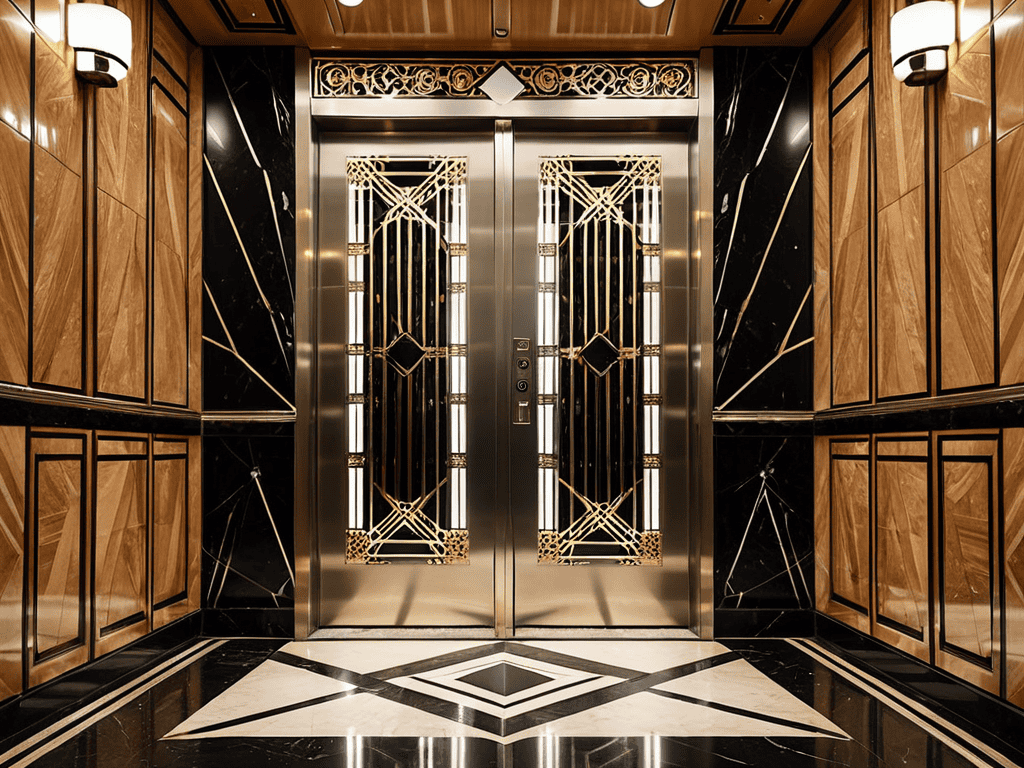
Art Deco is a glamorous and opulent architectural style that emerged in the 1920s, characterized by its use of geometric shapes and metallic materials. Its core mechanism lies in the combination of modernism and luxury, making it a popular choice for designers and architects who want to create a sense of sophistication and glamour. The main selling point of Art Deco is its ability to evoke a sense of high-end quality and refinement.
The appeal of Art Deco lies in its ability to transport us to a bygone era of old-school Hollywood glamour and luxury. When we experience Art Deco in real life, whether it’s through a building, a piece of furniture, or a work of art, we can’t help but feel a sense of awe and wonder at its sheer opulence. This is because Art Deco is not just a style, but an experience that combines visual and emotional stimulation to create a lasting impression.
Art Nouveau
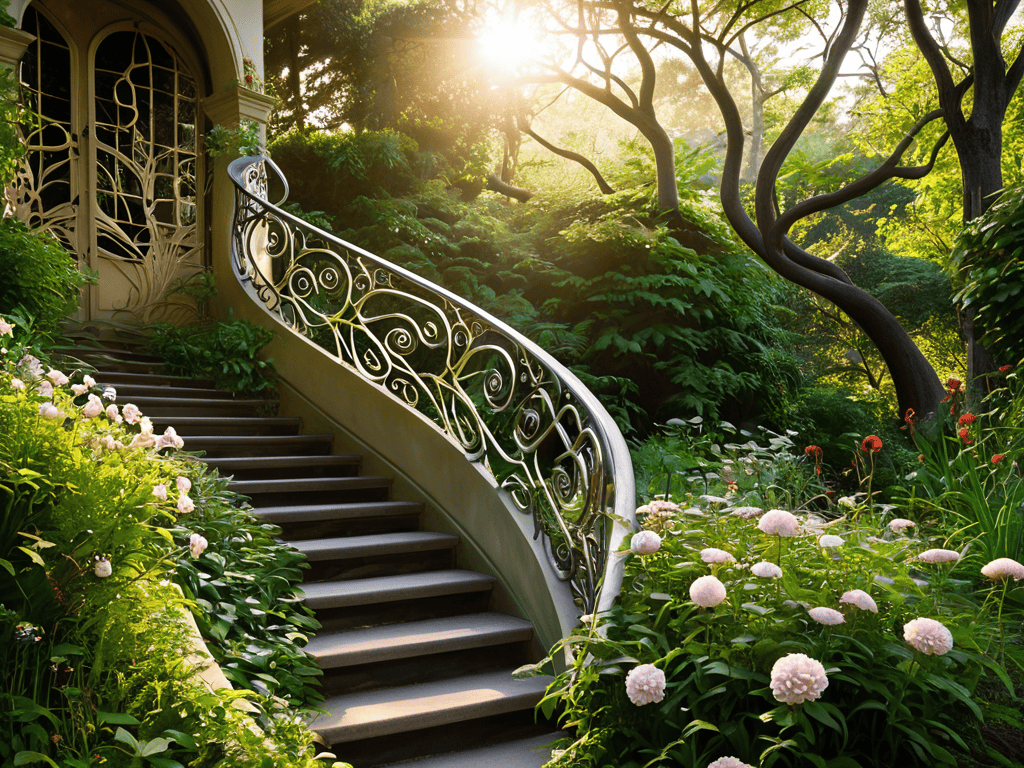
Art Nouveau is a flowing and organic architectural style that emerged in the late 19th and early 20th centuries, characterized by its use of sinuous lines and natural forms. Its core mechanism lies in the combination of art and nature, making it a popular choice for designers and architects who want to create a sense of harmony and balance. The main selling point of Art Nouveau is its ability to evoke a sense of whimsy and playfulness.
The appeal of Art Nouveau lies in its ability to connect us with the natural world and evoke a sense of serenity and calm. When we experience Art Nouveau in real life, whether it’s through a building, a piece of furniture, or a work of art, we can’t help but feel a sense of wonder at its sheer beauty. This is because Art Nouveau is not just a style, but a way of experiencing the world that combines visual and emotional stimulation to create a lasting impression.
Head-to-Head Comparison of Art Deco vs Art Nouveau
| Feature | Art Deco | Art Nouveau |
|---|---|---|
| Origin | 1920s, Europe and North America | Late 19th and early 20th centuries, Europe |
| Key Features | Geometric shapes, metallic materials, bold colors | Organic curves, flowing lines, natural motifs |
| Best For | Luxury interiors, futuristic designs | Elegant interiors, nature-inspired designs |
| Influences | Ancient cultures, industrialization | Artistic movements like Symbolism and Japonism |
| Color Palette | Bright, bold, and metallic | Softer, more muted, with emphasis on greens and blues |
| Notable Examples | Chrysler Building, The Great Gatsby | Works of Alphonse Mucha, Antoni Gaudí's architecture |
| Design Philosophy | Celebration of modernity and technology | Emphasis on handcrafted, unique pieces and harmony with nature |
Art Deco vs Art Nouveau
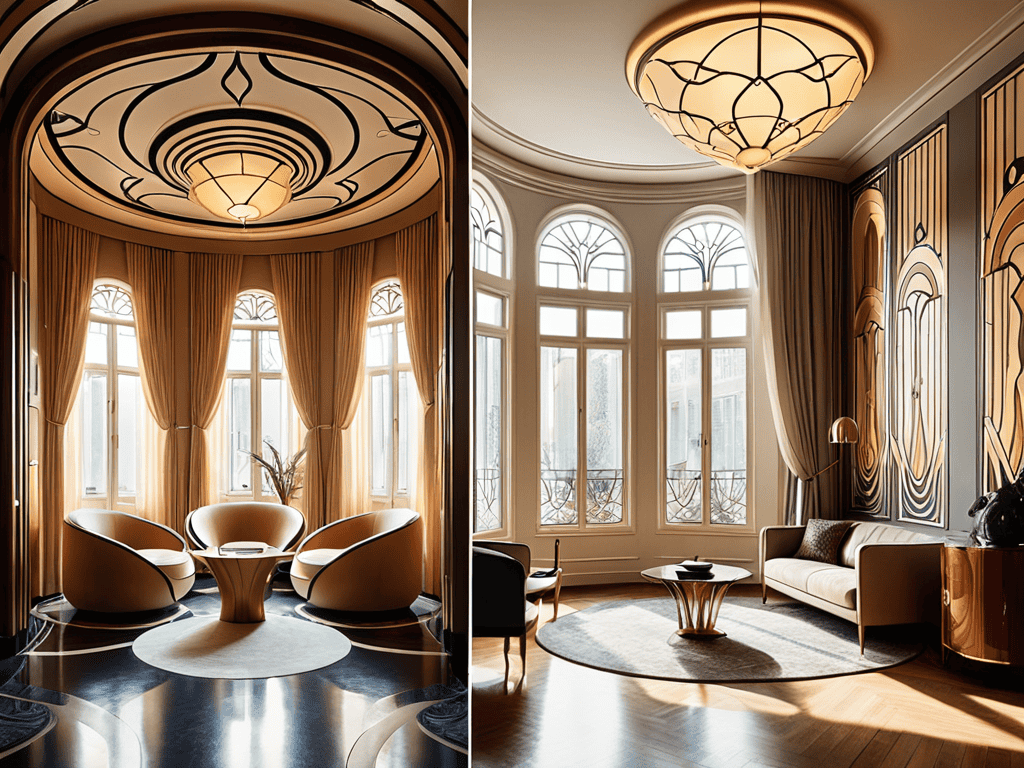
So, what’s the big difference between Art Deco and Art Nouveau – two styles that totally dominated the design world in the early 20th century? Understanding the distinction between these two is crucial for design enthusiasts and historians alike, as it helps to appreciate the nuances of each style.
When it comes to Art Deco vs Art Nouveau, the head-to-head analysis reveals some interesting insights. Art Deco is characterized by its geometric patterns and metallic materials, which give it a sleek, modern look. In contrast, Art Nouveau is marked by its organic curves and whiplash lines, which create a more fluid, natural aesthetic.
As you delve deeper into the world of Art Deco and Art Nouveau, you’ll likely find yourself wanting to explore more than just the design principles and historical context – you’ll want to experience the sensual curves and ornate details up close. For those looking to indulge their senses, a visit to a local antique shop or a browse through online marketplaces can be a great way to find unique pieces that embody the essence of these styles. If you’re feeling adventurous, you might even stumble upon some intriguing listings on websites like sex classifieds, which can offer a fascinating glimpse into the more intimate side of these design movements.
In practical terms, the choice between Art Deco and Art Nouveau depends on the desired atmosphere and style statement. While Art Deco exudes luxury and sophistication, Art Nouveau embodies a more playful and eclectic spirit. Based on these differences, I’d say Art Deco is the clear winner when it comes to making a bold statement.
Key Takeaways: Decoding the Essence of Art Deco and Art Nouveau
So, to sum it up, Art Deco is all about geometric shapes, metallic materials, and a dash of luxury, while Art Nouveau is characterized by its flowing curves, organic forms, and a touch of whimsy
Both styles have had a profound impact on modern design, from architecture to fashion, and continue to inspire artists and designers today
Ultimately, whether you’re a fan of Art Deco’s glamorous sophistication or Art Nouveau’s eclectic charm, both styles represent a unique moment in design history that still influences our aesthetic tastes and preferences
The Essence of Elegance
As we delve into the opulent worlds of Art Deco and Art Nouveau, we find that the true beauty lies not in their differences, but in how they both mastered the art of transforming spaces into timeless reflections of luxury and sophistication.
Aurora Wynter
Conclusion
As we’ve explored the stunning contrasts between Art Deco and Art Nouveau, it’s clear that both styles have left an indelible mark on the design world. From the geometric patterns of Art Deco to the organic curves of Art Nouveau, each style has its own unique character and charm. Whether you’re a fan of the glamorous skyscrapers of Manhattan or the elegant entrances of Parisian metro stations, there’s no denying the impact of these two styles on modern design.
So, what’s the lasting legacy of this design rivalry? Perhaps it’s the reminder that design is not just about function, but about emotion and experience. As we continue to push the boundaries of what’s possible in design, let’s not forget the timeless wisdom of Art Deco and Art Nouveau – that good design has the power to inspire, to delight, and to leave a lasting impression on our lives.
Frequently Asked Questions
What are some of the most iconic examples of Art Deco and Art Nouveau architecture around the world?
From the Chrysler Building in NYC to Paris’ Metro entrances, iconic Art Deco and Art Nouveau architecture is everywhere. Think Barcelona’s Casa Batlló, NYC’s Empire State Building, and Sydney’s Queen Victoria Building – these landmarks showcase the glamour of Art Deco and the whimsy of Art Nouveau.
How did the social and cultural context of the early 20th century influence the development of these two styles?
The early 20th century’s social and cultural landscape was a wild ride, with the Roaring Twenties and the Industrial Revolution in full swing. This influenced Art Deco’s sleek, modern vibe, while Art Nouveau drew from the era’s fascination with nature and handcrafted goods, reflecting the tension between tradition and innovation.
Can Art Deco and Art Nouveau elements be combined in a single design, or are they mutually exclusive?
While they have distinct styles, combining Art Deco and Art Nouveau elements can create a unique look. Think metallic accents meets flowing lines – it’s all about balance.

Leave a Reply
You must be logged in to post a comment.