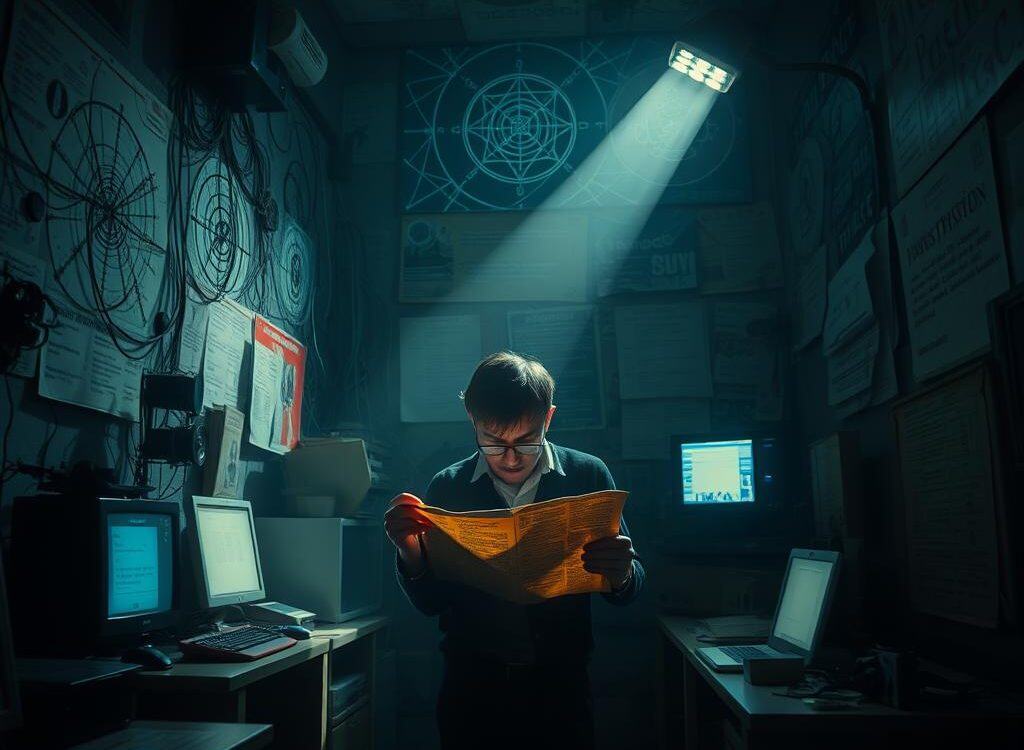
Are They Lying to Us? The Most Shocking Conspiracies
Did you know that about 10% of people in the U.S. believe in conspiracy theories? These include ideas like the Earth being flat or that COVID-19 vaccines have microchips. This shows a growing distrust in what we know and who we trust.
In today’s world, where news spreads fast on social media, these theories grab a lot of attention. They worry us because they can harm society. Millennials and fans of ex-President Trump often agree with these theories. This makes me wonder if there’s truth in these stories or if they’re just made-up to confuse us.
Key Takeaways
- Approximately 10% of U.S. citizens believe in various conspiracy theories.
- Mentality towards conspiracy theories varies markedly among Millennials and political supporters.
- The influence of social media in spreading pseudo-scientific beliefs is significant.
- Conspiracy theories can have dire real-world health consequences.
- Public perception often shifts dramatically based on generation and political alignment.
Introduction to the World of Conspiracy Theories
People are drawn to conspiracy theories because they want to make sense of the world. These theories help us understand big events that seem too hard to believe. They connect us to the world around us, making us feel like we’re part of something bigger.
From the 9/11 attacks to the U.S. Civil War, these theories link us to history. They explain things that seem too complex or strange. This helps us feel connected and understood.
The Allure of Conspiracies
Conspiracy theories offer simple answers to complex questions. They often involve groups like the CIA or the Mafia. Some even talk about secret groups like the Illuminati.
These stories make sense of the world in a way that’s easy to follow. People who feel left out or powerless find comfort in these theories. They help them question the systems in place.
Why People Believe in Conspiracy Theories
Research shows that some people are more likely to believe in conspiracy theories. This includes those who struggle with thinking things through or who don’t like uncertainty. The more they hear something, the more they believe it, even if it’s not true.
Believing in these theories can make people feel in control. It’s a way to explain bad things happening in their lives. It gives them a sense of power when they feel powerless.
Historical Context and Growing Popularity
Conspiracy theories have been around for a long time. Big events and government actions have made people question authority. As we study these theories, new ones keep popping up.
There are different types of conspiracy theories. Each one shows how people view the world and question what’s going on. They’ve had a big impact on society for a long time.
Famous Conspiracy Theories That Were Actually True
Looking into historical conspiracies shows us some hard truths. These truths challenge what we thought was true. Famous conspiracies have been proven real, showing us how governments sometimes act unethically.
These stories, once seen as just rumors, have been backed up by evidence. This changes how we think about trust and who we can rely on.
The Tuskegee Syphilis Experiment
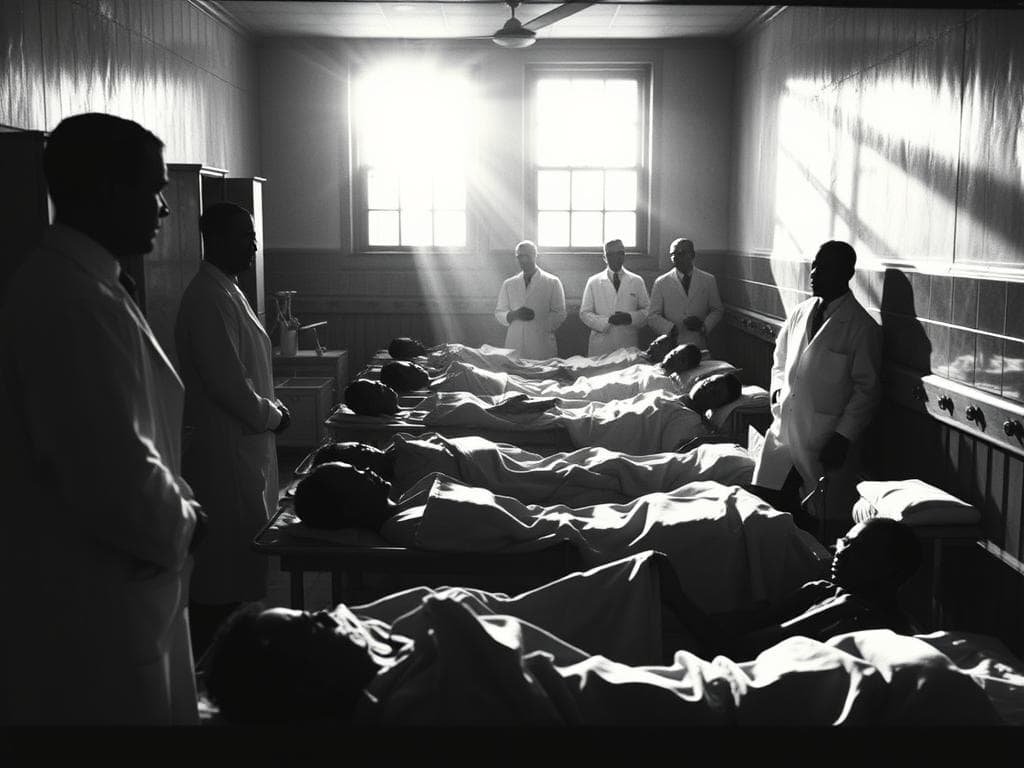
The Tuskegee Syphilis Experiment is a shocking example of government betrayal. From 1932 to 1972, 399 African-American men were not told they had syphilis. They were denied treatment, even when penicillin was available.
This study lasted for decades, showing a dark side of medical ethics.
Operation MKUltra: CIA Mind-Control Project
Operation MKUltra is a dark chapter in U.S. history. It was a CIA project on mind control from the 1950s to the 1970s. The CIA gave LSD and other drugs to people without their knowledge.
The goal was to find new ways to question people. This raises big questions about consent and respect for human dignity.
Fake Vaccination Programs for Intelligence Operations
Fake vaccination programs show the moral issues in intelligence work. The CIA used such programs to try to find Osama bin Laden. They used lies to get what they wanted.
This makes us wonder how far agencies will go. It also makes us question the trustworthiness of real vaccination efforts.
Operation Northwoods: The 1962 False Flag Plan
Operation Northwoods is a shocking plan from 1962. The government wanted to fake attacks on U.S. soil to start a war with Cuba. President Kennedy stopped it, but it shows a dark side of government thinking.
It shows how close we are to actions that could harm our country. It’s a reminder of the fine line between keeping us safe and doing the right thing.
Notable Conspiracy Theories and Their Implications
Conspiracy theories grab our attention, making us see things differently. The idea that the U.S. government planned the 9/11 attacks shows deep distrust in authority. These theories point to fears about government watching us and military actions after 9/11.
With 61% of Americans doubting President Kennedy’s assassination, it’s clear many believe in hidden truths. This shows a strong desire for answers and truth.
9/11 was an Inside Job: Theories and Reactions
The 9/11 conspiracy theories have many followers, thanks to people like Alex Jones. They offer a way to understand our feelings of helplessness and loss of control. This distrust in government is common, as people seek clear answers after big events.
These theories do more than question the official story. They influence how we react and discuss important issues like national security and freedom.
The Moon Landing Hoax: Dissecting the Arguments
The Moon landing hoax is a well-known conspiracy theory. It shows how skeptical people are of institutions like NASA. Even though there’s a lot of proof the Moon landings were real, about 10% of Americans doubt it.
This doubt comes from many factors, like culture, age, and education. It shows how misinformation and not understanding science can lead to skepticism. This affects how young people see history and trust in science.
Conclusion
Exploring conspiracy theories shows that some ideas have roots in real history. Many Americans doubt global warming, showing how conspiracy theories grow. Over half of Americans question the official story of John F. Kennedy’s assassination.
It’s important to understand how these beliefs affect society. Conspiracy theories can make people feel isolated and harm social bonds. They use biases that make it hard to accept new information and take action.
The world of information today is complex. Conspiracy theories reveal deeper issues in society. We need to encourage critical thinking and open discussions to fight misinformation. Skepticism is good, but too much can lead to cynicism.

Leave a Reply
You must be logged in to post a comment.