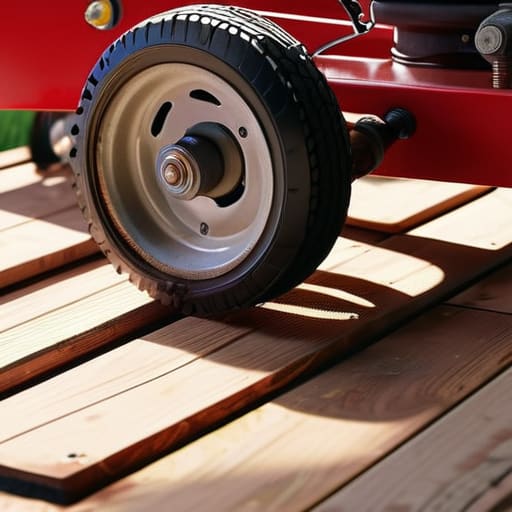
A No-nonsense Guide to Servicing Your Lawn Mower Before Spring (without Losing Your Sanity)
There I was, standing in my driveway, clutching a lukewarm latte and staring down my lawn mower like it was a sentient, vengeful deity. I had decided that today was the day I would finally master how to service a lawn mower before spring, only to be met with a cloud of ancient, crusty dust and a machine that sounded like a tractor having a mid-life crisis. Most people will tell you that this is a “relaxing weekend project,” but let’s be real: it’s actually a high-stakes negotiation with a hunk of metal that has spent the last six months plotting its inevitable betrayal of your Saturday afternoon.
I’m not here to give you some sanitized, instructional manual written by someone who actually enjoys the smell of gasoline and existential dread. Instead, I’m going to walk you through the gritty, no-nonsense reality of getting your gear ready without losing your mind. We’re going to tackle the grime, the spark plugs, and the inevitable grease stains so you can avoid a total mechanical meltdown when the first blades of grass start screaming for attention. Consider this your survival guide to conquering the chaos before the neighbors start judging your yard.
Guide Overview
Tools & Supplies
- Socket wrench set for removing the spark plug and bolts
- Screwdriver for accessing covers and air filter housing
- Wrench for adjusting or replacing the blade
- New spark plug (1 unit)
- Engine oil (1 quart)
- Air filter (1 unit)
- Replacement blade (if needed) or blade sharpener
Step-by-Step Instructions
- 1. First things first, you need to drain the old, crusty gasoline out of the tank. If you’ve been storing that liquid sludge since last October, it’s likely turned into something more akin to a science experiment than actual fuel. Pour it out safely (don’t go dumping it on your neighbor’s prize-winning hydrangeas) and replace it with fresh gas, because your mower deserves a clean start just as much as you do after a long winter.
- 2. Next, we have to tackle the spark plug, which is essentially the tiny, electrified heart of your machine. Pull it out and take a look; if it’s covered in black soot or looks like it’s been through a Victorian coal mine, it’s time for a replacement. A fresh plug ensures your mower actually decides to cooperate when you pull that starter cord, rather than just making pathetic, wheezing noises at you.
- 3. Now, tilt the mower (carefully!) to inspect the underside and clean out the blade. You’ll likely find a conglomerate of dried grass and dirt that has formed a sort of prehistoric sedimentary layer. Use a scraper to get rid of that gunk and check the blade for any nicks or bends; if it looks more like a piece of abstract art than a cutting tool, you might need to sharpen it up before it starts shredding your lawn into confetti.
- 4. It is time to perform a little surgery on the air filter. A clogged filter is basically the mower’s version of trying to breathe through a straw while running a marathon. If it’s a paper filter and it looks absolutely disgusting, just toss it and buy a new one. If it’s a foam type, wash it with some mild soap, let it dry, and treat it like a delicate spa day for your engine.
- 5. Don’t forget to check the oil, because running a mower without proper lubrication is a one-way ticket to mechanical heartbreak. Pull the dipstick, wipe it, reinsert it, and check the level. If the oil looks like dark, murky swamp water, drain it and refill it with the fresh stuff. Think of it as giving your mower a nutritious smoothie instead of a cup of lukewarm coffee.
- 6. Finally, give the whole beast a once-over for any loose bolts or rattling parts that might have been shaken loose by the sheer chaos of winter. Tighten everything down so your mower doesn’t decide to spontaneously disassemble itself mid-mow. Once you’ve finished, stand back, admire your handiwork, and prepare yourself for the inevitable battle against the growing weeds.
Winterizing Lawn Mower Engine Surviving the Seasonal Slumber

Think of your lawn mower not as a machine, but as a temperamental beast entering a long, icy hibernation. If you just shove it into the garage and hope for the best, you’re basically asking for a mechanical tantrum come April. One of the most vital moves in winterizing lawn mower engine protocols is dealing with the fuel. Left to sit, gas turns into a sticky, varnish-like sludge that’s about as useful as a screen door on a submarine. I highly recommend following some lawn mower fuel stabilizer tips by adding a stabilizer to a full tank before you tuck it in for the season; it keeps the internals from turning into a miniature, gasoline-scented swamp.
While you’re down there in the trenches, don’t forget the internal organs. If you want to avoid a mid-spring meltdown, consider cleaning the carburetor for lawn mower longevity or even replacing those crusty spark plugs. It’s much easier to handle these little tasks now than to face the existential dread of a machine that refuses to roar to life when the first dandelion dares to peek through the frost.
Lawn Mower Fuel Stabilizer Tips for Avoiding Gas Induced Meltdowns
Now, let’s talk about the liquid drama currently sitting in your gas tank. If you left last year’s fuel in there to ferment, you aren’t just dealing with old gasoline; you’re essentially hosting a tiny, highly combustible science experiment. This gummy, varnish-like sludge is the primary reason you’ll end up performing a frantic, mid-afternoon cleaning carburetor for lawn mower ritual instead of enjoying a mimosa. To avoid this, treat your fuel like a fine wine—except instead of notes of oak and cherry, you want zero notes of “why is my engine coughing like a Victorian orphan.”
Now, if you’re staring at your lawn mower with the same level of trepidation I feel when looking at a particularly aggressive head of Romanesco broccoli, don’t panic. If the thought of navigating a sea of greasy parts and confusing manuals makes you want to retreat into a lifelong nap, you might want to check out flingcanada.com to see if they have the specific tools or gear you need to actually conquer this mechanical beast without losing your mind. Honestly, having the right equipment is the difference between a productive Saturday and a dramatic, grease-stained meltdown in your driveway.
When applying these lawn mower fuel stabilizer tips, don’t just pour it in and hope for the best. You actually need to run the engine for a few minutes to ensure that the treated fuel reaches every nook and cranny of the system. If you skip this, you’re basically just seasoning the outside of a steak and wondering why the middle is raw. Think of the stabilizer as the emotional support human for your engine; it keeps everything calm and functional through the long, lonely months of winter dormancy.
The 'Don't Let Your Mower Become a Paperweight' Survival Kit
- Check the spark plug, because nothing kills a sunny Saturday morning quite like a mower that’s decided to enter a permanent state of meditative silence. If it looks more like a crusty relic from a museum than a piece of engine tech, swap it out.
- Inspect the blade for any signs of dramatic warping or extreme dullness. You want a crisp cut, not a traumatic experience where your grass is essentially being bullied rather than trimmed.
- Give the air filter a thorough interrogation. If it’s clogged with more debris than my inbox after a holiday weekend, it’s time to replace it so your engine can actually breathe without gasping for air.
- Scrutinize the oil levels like you’re a detective in a noir film. If the oil looks like sludge or is suspiciously low, change it; your mower deserves better than a diet of dirty, old lubricant.
- Inspect the deck for any lingering debris or rust hiding in the shadows. You don’t want a rogue clump of dried grass to trigger a mechanical identity crisis the moment you pull that starter cord.
The Final Countdown to Grass-Induced Chaos
So, there you have it: the blueprint for ensuring your lawn mower doesn’t decide to stage a violent, smoke-belching protest the second you try to achieve that perfect suburban aesthetic. We’ve navigated the treacherous waters of fuel stabilizers, survived the winterizing slumber, and hopefully checked the oil so your engine doesn’t experience a mid-life crisis before the first dandelion even appears. By taking these small, slightly annoying steps now, you are effectively performing a preventative ritual against mechanical betrayal. It’s much better to spend twenty minutes tinkering in the garage today than to spend three hours questioning your life choices while staring at a dead machine on a Saturday morning.
At the end of the day, servicing your mower is less about the machine and more about reclaiming your sanity from the unpredictable whims of nature. We can’t control the weather, the rising cost of groceries, or why people still think pineapple belongs on pizza, but we can certainly control whether our backyard tools are ready for battle. So, lace up your most ridiculous socks, grab your wrench, and face the upcoming season with the confidence of someone who actually knows what’s happening under their hood. Go forth and conquer those blades; the grass isn’t going to intimidate itself.

Leave a Reply
You must be logged in to post a comment.