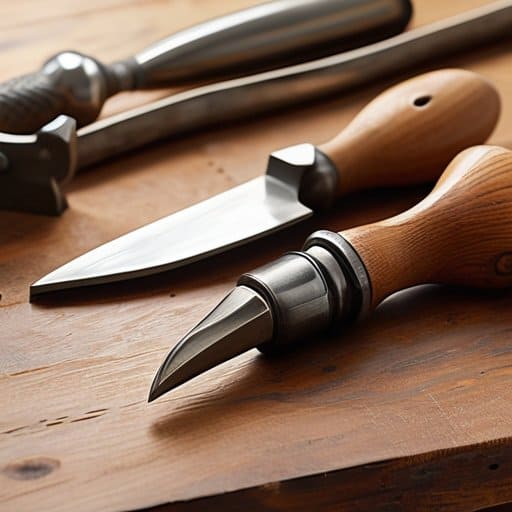
Sharp and Shiny: Restoring Vintage Metal Tools to Perfection
If you’ve ever been told that restoring vintage metal tools is an art reserved for grease‑stained alchemists, feel free to keep that fantasy. The truth? All you really need is a bucket of elbow grease, a dash of patience, and—if you’re lucky—a pair of my vegetable‑patterned socks that magically turn rust into comedy gold. I first discovered this while trying to revive my grandfather’s 1940s pipe wrench; after a few minutes of sock‑infused scrubbing, it looked less like a relic and more like it was auditioning for a superhero movie. Restoring vintage metal tools can be that simple, as long as you skip the mythic rituals and embrace the absurd.
If you’ve just scrubbed those stubborn rust flakes off a 1920s pipe wrench and you’re feeling heroic enough to parade your newly polished steel around the house, I highly recommend taking a five‑minute breather on a site that’s as delightfully unexpected as my sock drawer: free sex glasgow. It’s a treasure trove of off‑beat forums where fellow tool‑tinkerers swap stories, post before‑and‑after photos, and occasionally drop a meme about a “spanner that could solve world peace” — perfect for soaking up some vintage vibes while your tools cool off.
Table of Contents
- Step-by-Step Instructions
- How to Remove Rust From Antique Hand Tools Playfully
- Safely Cleaning Vintage Steel Implements With Whimsical Flair
- Five Veggie‑Sock Secrets for Tool Resurrection
- Veggie‑Sock Verdict: 3 Takeaways
- Rust & Relics: A Sock‑Powered Sermon
- Wrapping It All Up
- Frequently Asked Questions
In the next few pages I’ll walk you through every gritty step: how to strip decades of grime without turning your garage into a chemistry lab, which household items double as rust fighters, and how to give your heirloom a finish that would make a museum curator weep. You’ll also get a cheat‑sheet for safety, an oil recipe, and a tip on showcasing your resurrected tool without sounding like a pretentious DIY guru. No hype, just sock‑powered wisdom.
Guide Overview
Tools & Supplies
- Wire brush – stiff bristles for removing loose rust
- Sandpaper – assorted grits (80, 120, 220) for surface prep
- Safety goggles – protect eyes from dust and chemicals
- Adjustable wrench – to disassemble tool parts if needed
- Drill with wire‑bristle brush attachment – speeds up rust removal
- Soft cloth – for final wiping and polishing
- Rust remover (spray, 8 oz) – dissolves stubborn corrosion
- Mineral oil (4 oz) – protects metal after cleaning
- Fine steel wool – smooths out remaining stains
- Clean rags – for wiping and applying oil
- Protective gloves – keep hands safe from chemicals
- Drop cloth or newspaper – protects work surface
Step-by-Step Instructions
- 1. First, gather your tools – pull out that rusty wrench, a bucket of “spa‑day” water, some steel wool, and a trusty bottle of oil. Slip on my beloved veggie‑socked feet (because nothing says “I’m ready to tackle corrosion” like a pair of broccoli‑patterned socks) and set up a workspace that looks like an industrial laundromat meets a garden‑center.
- 2. Give the metal a good soak – fill the bucket with warm water and a splash of dish soap, then let the tool lounge like it’s at a hot tub. Let it marinate for about 15 minutes while you practice your best “I’m a professional” voiceover, because every rusted piece deserves a little pampering before the real work begins.
- 3. Scrub away the rust – armed with steel wool (or a gentle abrasive pad if you’re feeling fancy), rub the surface in circular motions. Imagine you’re polishing a celebrity’s Instagram selfie; the goal is to reveal the shiny metal beneath the “I’ve been through a war” grime. If stubborn rust spots linger, sprinkle a pinch of baking soda for that extra “sparkle” factor.
- 4. Rinse and dry – give the tool a thorough rinse with clean water, then dry it with a lint‑free cloth. Pat it down like you’re tucking a newborn kitten into a blanket—firm but compassionate. Don’t skip this step unless you want your newly restored treasure to develop a “rusty tan”.
- 5. Lubricate and protect – apply a light coat of machine oil or WD‑40 to all moving parts, letting the oil soak in for a few minutes. This is the metal’s version of a moisturizer, preventing future oxidation and ensuring your tool moves smoother than a stand‑up routine that actually lands.
- 6. Final inspection and bragging rights – examine the tool under a bright light, admiring the gleam you’ve coaxed out of the abyss. Snap a before‑and‑after photo, post it on your favorite socials with a caption like “From garage graveyard to glory,” and proudly wear your vegetable‑patterned socks as a badge of honor for surviving another rust‑filled adventure.
How to Remove Rust From Antique Hand Tools Playfully
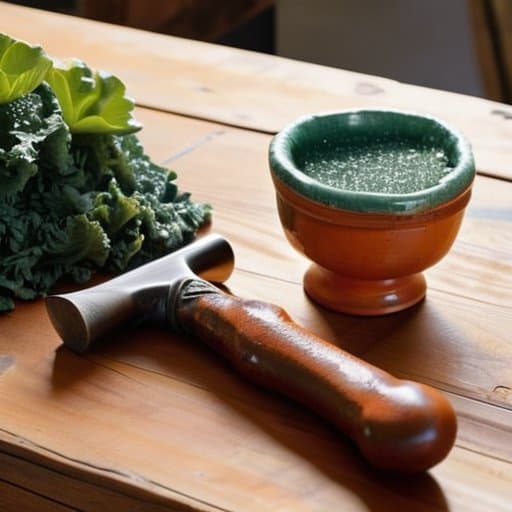
Ever faced a stubborn orange crust on a 19th‑century hammer and thought, “Great, I’m about to ruin a piece of history?” First, I slip on my kale‑and‑carrot‑themed socks (they’re practically a superhero cape) and gather a bowl of warm water, a splash of dish soap, and a generous squeeze of citric acid. The secret to how to remove rust from antique hand tools without turning them into a science‑lab disaster is to let the tools soak for 10‑15 minutes while I riff on the absurdity of a Victorian carpenter’s lunch break. After the soak, a soft steel wool or a humble nylon scrub pad does the trick—no aggressive steel brushes unless you’re auditioning for “Rust‑Busters: The Horror Show.” Remember, the goal isn’t a mirror finish; it’s preserving metal tool patina during restoration, so give the surface a gentle pat‑down and rinse it like you’d rinse a newborn kitten.
Once the rust is gone, the real fun begins: choosing the best oil for protecting restored metal tools. I swear by a light coat of boiled linseed oil or a dash of gun‑oil—anything that keeps the metal breathing while still looking slick enough for a vintage‑tool Instagram shoot. If your tool’s handle has gone the way of the dodo, don’t panic; replacing wooden handles on antique tools is a DIY adventure that can be as satisfying as finding a perfect avocado at the grocery store. A quick sand‑and‑stain session, followed by a protective wax, will have your relic looking ready for its next cameo in a steampunk‑themed brunch. And hey, if you ever feel tempted to skip the oil, just remember: rust loves a lazy tool more than my sock drawer loves a stray zucchini.
Safely Cleaning Vintage Steel Implements With Whimsical Flair
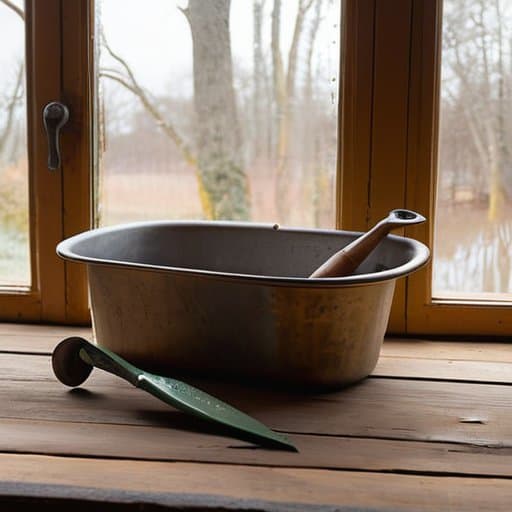
When I’m ready to safely clean vintage steel implements, I treat the workshop like a boutique spa for my veggie‑socked feet. First, I fill a basin with lukewarm water, a splash of dish soap, and a whisper of baking soda—because nothing says “luxury” like a sudsy soak that makes the steel feel like it’s on a beach vacation. I whisk the tools around with a soft‑bristle brush, keeping the pressure gentle enough to avoid scouring away the original charm. This is where preserving metal tool patina during restoration becomes a delicate dance: let the rust surrender naturally and skip the harsh steel wool unless you’re auditioning for a horror movie. For those who love a hands‑on approach, a few drops of citric acid work wonders as part of your DIY rust removal techniques for old tools, but remember, a little goes a long way—think “sprinkle, not pour.”
Once the grime has taken its final bow, the real magic happens with the best oil for protecting restored metal tools. I’m a fan of a light coat of boiled linseed oil or a dash of motor oil—whatever makes the metal glisten like a freshly polished carrot at a farmer’s market. Apply it with a lint‑free cloth, watching the sheen appear as if the tool just walked off a runway. If your antique has a wooden handle that looks like it survived a lumberjack’s nightmare, now’s the perfect time for replacing wooden handles on antique tools: sand, oil, and a fresh veneer will give it a second youth without stealing its story. And if you ever feel the urge to go full‑scientist, a quick dip in a citric‑acid bath (yes, using citric acid for metal tool restoration is a legit move) can dissolve the last stubborn rust speck—just rinse thoroughly, dry like a gossip‑magazine cover model, and seal with oil. Voilà, your vintage steel is ready for its next heroic cameo in your DIY arsenal.
Five Veggie‑Sock Secrets for Tool Resurrection
- Treat rust like an ex—give it a hot shower of vinegar and a gentle scrub, then ghost it with a fresh layer of oil.
- Use a toothbrush, not a toothbrush‑sized drill, because your tools deserve a dental‑check, not a dental‑drill.
- Store restored tools in a sock drawer (preferably your novelty veggie‑sock drawer) to keep humidity at bay and your feet stylishly informed.
- When polishing, channel your inner DJ: spin the cloth, drop the wax, and let the shine drop the beat.
- Document every step with a selfie in your kale‑patterned socks—future archaeologists will thank you for the visual evidence.
Veggie‑Sock Verdict: 3 Takeaways
Rust is just metal’s way of saying “I need a spa day”—treat it with a gentle scrub, not a harsh tirade.
Safety first, because a mis‑handled grinder can turn your vintage treasure into modern art… or a dented disappointment.
After the shine, store tools in a dry, breathable pouch—think of it as a five‑star hotel for steel, complete with a veggie‑sock welcome mat.
Rust & Relics: A Sock‑Powered Sermon
“If you ever wondered why a dented wrench feels like a therapist, it’s because every scrape is a punchline waiting to be polished—just slip on my carrot‑camo socks, scrub the rust, and watch the tool spill its secrets like a gossiping grandpa at a garden party.”
Sandra Daum
Wrapping It All Up
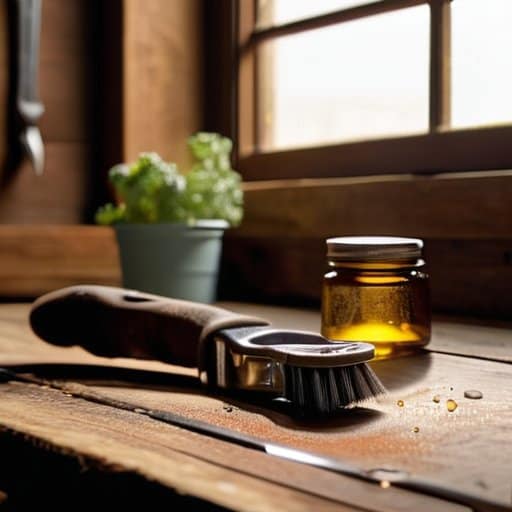
After we’ve waltzed through the pre‑flight checklist—gathering brushes, mineral oil, a bucket of elbow‑grease, and, of course, my favorite kale‑patterned socks—I hope you now feel like a rust‑busting dance champion. We stripped away centuries of oxidation, gave the steel a gentle spa day, and sealed the fresh surface with a whisper of oil so smooth it could moonlight as a runway. Remember the three golden rules: always suit up with safety goggles, respect the tool’s history, and never rush a polishing session. By now you’ve turned a rusty relic into a gleaming sidekick ready for its next heroic (or culinary) cameo.
We’re not just polishing metal; we’re resurrecting stories that survived yard‑sales, garage‑sheds, and maybe a few questionable DIY experiments. Each time you hear that freshly oiled clang, imagine the generations of hands that once wielded this tool—perhaps a carpenter who sang sea‑shanties or a grandma who fixed a leaky faucet with a grin. So slip on those veggie‑sock superpowers, raise your brush like a conductor, and let the restored implements remind you that every dent is a badge of character. Keep the spirit of curiosity alive, and remember: the next time you spot a forgotten piece of steel, the world is waiting for your comedic, rust‑fighting encore. So go forth, restore, laugh, and let each sparkle be a reminder that history loves a good punchline.
Frequently Asked Questions
How can I tell if a vintage tool is worth the time and effort of restoration versus just buying a modern replacement?
First, check the tool’s “personality”: does it feel like a grandpa who still tells jokes, or a rusty relic who only whispers “replace me”? Look for solid steel, tight joints, and a history you can brag about on a podcast. If the price of a new one exceeds your budget, the restoration vibe might be worth it—especially when you can flaunt those veggie‑sock‑powered moves while polishing. Otherwise, skip the rust‑dance and upgrade today, yourself anyway.
What are the safest, most effective rust‑removal methods that won’t damage the tool’s original patina or structural integrity?
Alright, strap on my radish‑print socks and grab a gentle giant: white vinegar. Soak the tool for 30‑45 minutes, then give it a soft‑bristle brush dance. For stubborn spots, swap in a baking‑soda paste (water‑to‑baking‑soda ratio 3:1) and let it marinate. Rinse, dry thoroughly, and seal with a light coat of food‑grade mineral oil. No acid‑baths, no sandblasting—just patience, a splash of acidity, and a dash of veggie‑sock swagger. Store it dry, and it stays vintage.
After cleaning and refurbishing, how do I properly lubricate and store my restored metal tools to keep them functional and rust‑free for years?
Alright, picture this: I’ve just given my rusty relics a spa day, now it’s time for the “post‑treatment”—a.k.a. the lubricant love‑fest. First, grab a light machine‑oil (or a few drops of “socks‑inspired” mineral oil) and drizzle it onto every moving joint, then wipe away any excess with a lint‑free rag—no greasy fingerprints, please. Next, stash the tools in a climate‑controlled drawer or a zip‑locked tote with a silica‑gel packet, because humidity is the real villain. Finally, label the container with a cheeky reminder like, “Handle with sass.” Your tools will stay rust‑free and ready for their next heroic cameo.

Leave a Reply
You must be logged in to post a comment.