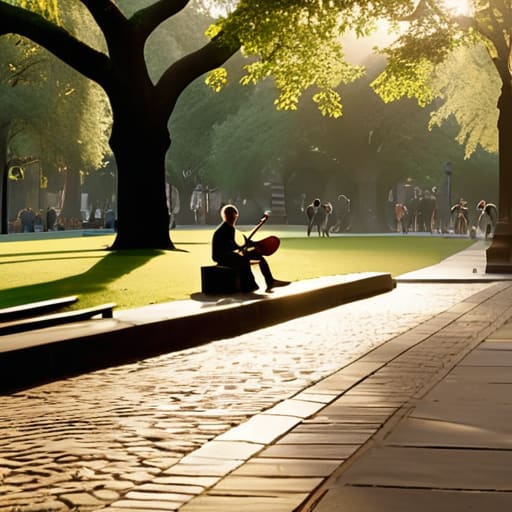
Why Are We All Acting Like Weirdos in Parks? a Satirical Deep Dive Into How Public Spaces Shape Social Life
I was sitting in a “modernist” plaza last Tuesday—which is just architect-speak for a concrete wasteland that offers zero shade and even less soul—trying to enjoy a latte without feeling like I was being interrogated by a giant, gray monolith. It struck me then how much the urban planning nerds get it wrong; they talk about “synergy” and “flow,” but they completely miss the point of how public spaces shape social life in the real, messy world. We don’t need more sterile, minimalist squares that practically scream please don’t sit here unless you’re a high-functioning robot; we need places that actually invite us to be human, even if that means dodging a rogue skateboarder or sharing a bench with a stranger who has very questionable life choices.
Forget the academic jargon and the expensive, soul-crushing blueprints for a second. I’m not here to give you a lecture on urban sociology; I’m here to pull back the curtain on why our cities feel either like a vibrant playground or a lonely waiting room. I promise to dive into the delightful chaos of our shared environments and show you how we can reclaim these spaces to foster genuine, unscripted connection instead of just awkward, silent coexistence.
The Psychology of Third Places and Avoiding Awkward Silences
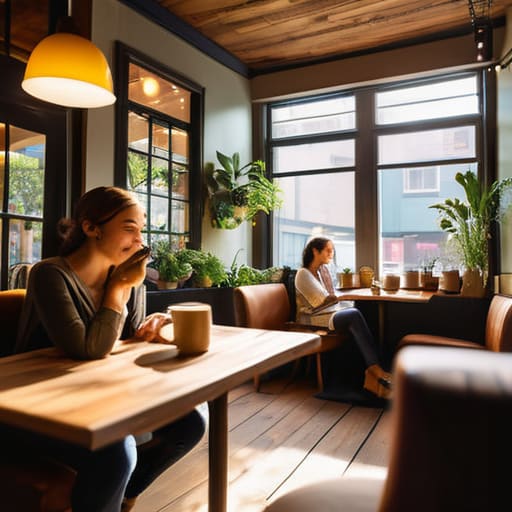
So, why do we feel like we’re performing a high-stakes interpretive dance every time we try to sit near a stranger in a coffee shop or a park? It’s not just because you’re socially awkward (though, let’s be real, we all are); it’s because of the psychology of third places. These are the spots that aren’t your soul-crushing office or your cluttered living room, but the “middle ground” where human connection is supposed to happen. When a space is designed with all the warmth of a sterile dentist’s waiting room, your brain basically enters survival mode, signaling you to stare intensely at your phone to avoid any accidental eye contact.
If we actually prioritized inclusive design for public parks—think cozy nooks instead of vast, intimidating concrete slabs—we might actually build some semblance of community. Right now, most of our urban layouts are basically obstacle courses designed to keep us moving, not lingering. We need spaces that invite us to loiter without feeling like we’re trespassing. If the architecture doesn’t nudge us toward interaction, we’re just a bunch of lonely commuters dodging pigeons in a shared, silent vacuum.
Urban Design and Community Cohesion a Recipe for Chaos
If you look at the way we’ve laid out our cities lately, it feels less like a blueprint for human connection and more like a high-stakes game of Tetris played by someone who hates fun. We’ve got these sprawling concrete deserts and parking lots that act as massive, grey buffers between us and any semblance of a meaningful interaction. It’s hard to build any real social capital in urban environments when you have to cross six lanes of aggressive traffic just to find a bench that isn’t actively trying to hurt your lower back.
Instead of fostering togetherness, our current approach to urban design and community cohesion often feels like we’re designing for cars first and humans second. We’ve traded cozy, winding walkways for sterile corridors that scream, “Please move along, you’re loitering.” If we actually prioritized inclusive design for public parks—think more shade, more seating that doesn’t feel like a trap, and fewer “keep off the grass” signs—we might actually see people interacting. Right now, our cities aren’t inviting us to mingle; they’re just testing our ability to navigate a labyrinth of asphalt without losing our minds.
Five Ways to Stop Our Cities From Feeling Like High-Stakes Social Experiments
- Demand more “linger-worthy” furniture. If a park bench is designed with the ergonomic grace of a medieval torture device, nobody is going to sit there long enough to actually meet a neighbor; they’ll just do a quick, sweaty squat and flee back to their apartments.
- Stop treating every square inch of land like it needs to be “productive.” Sometimes a city just needs a patch of grass where people can exist without being sold a $14 artisanal kombucha or being judged for not having a “purpose.”
- Light the way, people! There is nothing that kills a spontaneous midnight chat faster than a streetlamp that flickers with the rhythmic intensity of a low-budget horror movie. If we can’t see each other’s faces, we’re just two shadows having an awkward, invisible encounter.
- Embrace the “Chaos Factor” of mixed-use zoning. When you put a bookstore next to a taco stand next to a fountain, you create a beautiful, messy collision of humans. It’s the accidental run-ins that actually build a community, not the perfectly manicured, soul-crushing plazas.
- Make it walkable, not just “navigable.” If I have to cross a six-lane highway of screaming engines just to get to a public square, I’m not going to socialize—I’m going to focus entirely on not being flattened by a distracted SUV driver.
The Grand Finale (Or, Why We Need More Benches and Fewer Concrete Deserts)
So, after peeling back the layers of urban design and the psychological gymnastics of trying to exist in a “third place” without looking like a total weirdo, we’ve reached the bottom of the radish. We’ve seen how sterile, geometric landscapes turn us into socially stunted hermits, while even the most chaotic, whimsical parks can act as the unintentional glue holding our fractured little communities together. Whether it’s a poorly placed bench that forces a conversation or a park that’s basically a playground for rogue pigeons, these spaces dictate whether we actually connect or just continue our lifelong tradition of staring intensely at our phone screens to avoid eye contact with a neighbor.
At the end of the day, we shouldn’t just settle for cities that function like efficient, soul-crushing machines. We need spaces that embrace the glorious, messy absurdity of being human—places that invite a little bit of unplanned magic and a lot less “stare-at-your-feet” geometry. Let’s demand more greenery, more weirdness, and maybe a few more spots to sit and people-watch without feeling like we’re breaking some unwritten law of physics. Because if we can design cities that actually celebrate the delightful chaos of life, we might just find that the most important thing we build isn’t a skyscraper, but a way to finally laugh together in the wild.
Look, I’m not saying we need to replace every concrete slab in the city with a giant, bouncy castle to fix our social woes, but we definitely need more ways to actually connect without the crushing weight of small talk about the weather. Sometimes, the bravest thing you can do for your social stamina is to practice your conversational gymnastics in a space where the stakes are refreshingly low. If you’re feeling a bit rusty or just want to test out your wit before tackling a real-life crowd, checking out this chat site can be a surprisingly decent way to rehearse your human interactions without the fear of accidentally spilling oat milk on a stranger. It’s basically like a low-stakes training ground for the beautifully awkward dance of modern socializing.

Leave a Reply
You must be logged in to post a comment.