Unlocking Secrets: The Thrill of Exploring Ancient Ruins Worldwide
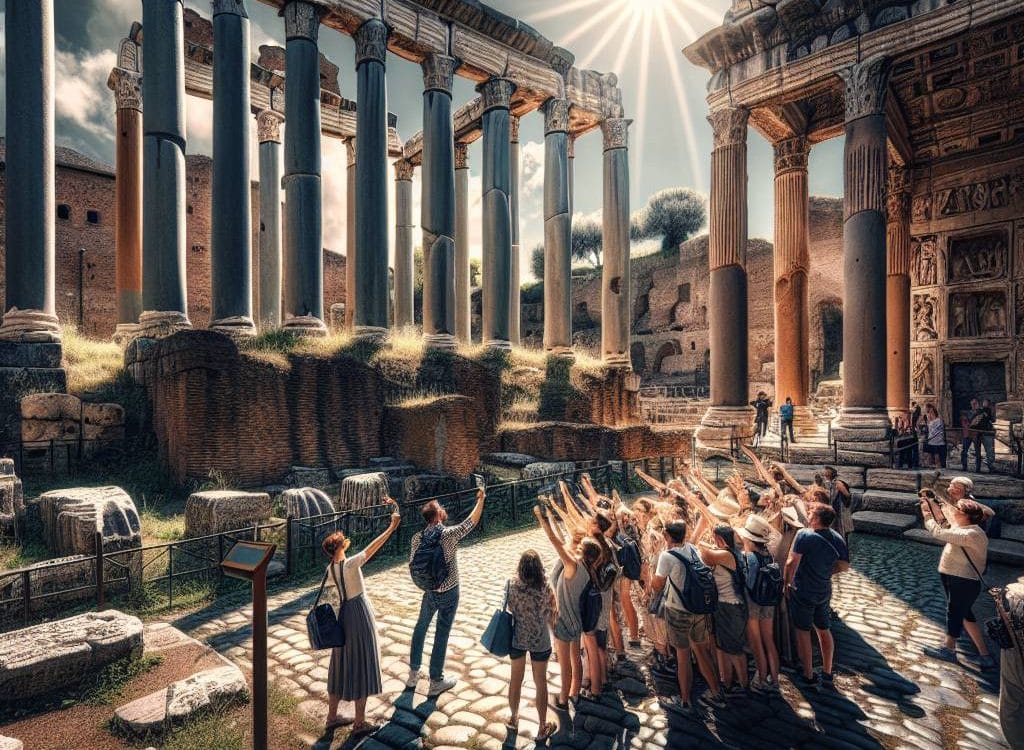
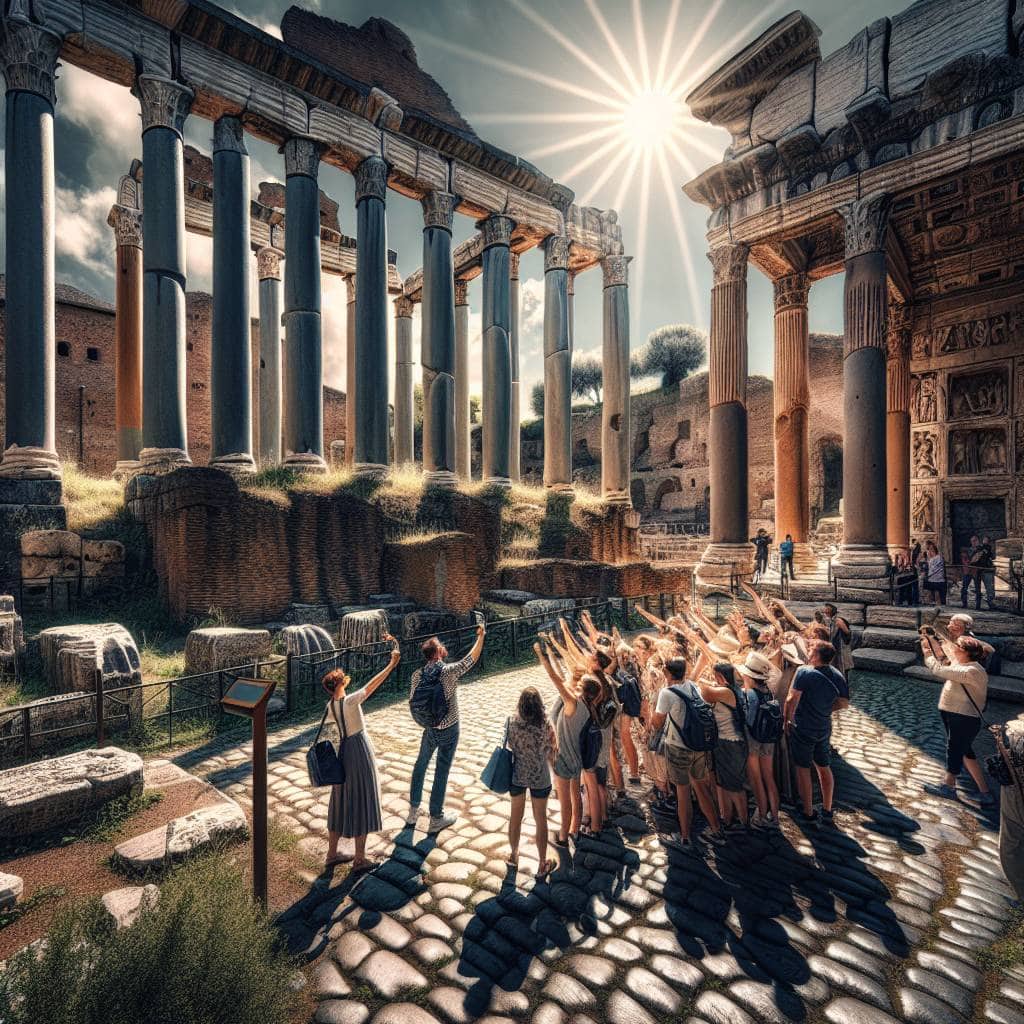
There I was, standing in the middle of what used to be a bustling Roman forum, dodging selfie sticks like some deranged game of Whac-A-Mole. The guide was yammering on about the “glory of ancient Rome,” but all I could think about was how these ruins smelled faintly of wet dog. And let’s be honest, the stones weren’t whispering secrets of the past; they were silently judging my impractical choice of footwear. But as I tripped over yet another uneven slab, it hit me—there’s something oddly intoxicating about touching history, even if it means sacrificing your dignity one stumble at a time.
So, if you’re ready to embrace the chaos of traveling back in time, armed with nothing but a camera and a questionable amount of sunscreen, you’re in the right place. We’re diving into the nitty-gritty of exploring ancient ruins—no filters, no fluff. I’ll spill the beans on finding the best vantage points for that perfect shot, deciphering the cryptic tour guide chatter, and why sometimes the most thrilling part is the journey to find a decent cup of coffee afterward. Buckle up, because this is not your typical travel guide.
Table of Contents
- Why Getting Lost in Ancient Ruins Might Be Your Best Travel Hack Yet
- The Art of Pretending to Know Historical Context
- Photography Tips for When You Find Yourself in a Pile of Old Rocks
- Stumbling Through History’s Shadows
- Ruins Unraveled: Your Burning Questions Answered
- When Stones Speak Louder Than Words
Why Getting Lost in Ancient Ruins Might Be Your Best Travel Hack Yet
You know that feeling when you step into ancient ruins, the air thick with dust and history? It’s like stepping into a time machine, but without the tacky sci-fi tropes or obnoxious guides who think they’re reincarnated Roman emperors. Getting lost in these crumbling relics isn’t just a travel hack—it’s a damn revelation. Picture this: you’re wandering through the twisted paths of a forgotten city, and you suddenly realize you’ve got no clue where you are. But instead of panic, a strange calm sets in. You start noticing the little things—a worn carving on a stone, the way sunlight dances through a broken archway. It’s like the ruins are whispering secrets to you, stories etched in every crack and crevice.
Sure, you could stick to the well-trodden path, follow the tour group like a herd of well-meaning sheep, and snap the obligatory photos that look like every other traveler’s Instagram feed. But where’s the fun in that? The real magic happens when you stray off course. When you let your curiosity guide you instead of a map. You might stumble upon a hidden courtyard, overgrown and forgotten, where the past feels more alive than any textbook could convey. And those moments, my friend, are where your travel tales will be born. The kind that make your friends lean in closer, eyes wide with envy and intrigue.
And let’s be real. Getting lost isn’t about recklessness; it’s about embracing the unknown. It’s about shaking off the modern world’s polished veneer and connecting with the raw, unfiltered essence of history. So next time you find yourself amid ancient rubble, let your inner explorer take the reins. Ignore the nagging voice that says you need to know exactly where you’re going every second. Because in those moments of uncertainty, you just might find the most authentic version of yourself—or at the very least, a killer story to tell over drinks.
The Art of Pretending to Know Historical Context
Picture this: you’re standing in the shadow of a crumbling column, the sun casting long shadows that dance across your feet. A fellow traveler approaches, eyes wide with curiosity, and you pull off the ultimate travel hack—pretending you know exactly what went down here centuries ago. Ah, the art of historical bluffing. It’s less about the accuracy and more about the confident delivery. You start with a deep, contemplative sigh, as if the weight of history presses on your shoulders alone. Channel your inner actor and weave a story that’s just plausible enough to be believed but outrageous enough to entertain. Maybe mention a fictitious battle that supposedly shifted the fate of a kingdom, or an imaginary ruler whose pet giraffe inspired a revolution.
But here’s the trick: keep your audience engaged. Toss in a few real facts you skimmed off a plaque or overheard from an actual guide. That’s your foothold in reality, the sprinkle of truth that makes your tale slightly believable. And when they nod along, captivated by your makeshift legend, don’t forget the most important part—wink, pause dramatically, and then change the subject before anyone gets too curious. It’s not about deception; it’s about owning the moment. After all, history is just a collection of stories told by those who dared to tell them—why not add your own chapter?
Photography Tips for When You Find Yourself in a Pile of Old Rocks
There’s something quite poetic about trying to capture the soul of ancient ruins through a camera lens. But let’s get real—photographing a pile of old rocks isn’t as straightforward as it sounds. First, embrace the chaos. Forget the perfect Instagram shot; instead, focus on the story those stones whisper to you. Look for the odd angles—those jagged edges where time has done its worst, the shadows that dance as the sun dips behind crumbling walls. Your photos should feel like the pages of a novel, each one a chapter in a saga that spans centuries.
So, there I was, ankle-deep in the dust of an ancient amphitheater, pondering the human condition, when it hit me—the past is just one big chat room. Ancient ruins are like the original social networks, minus the Wi-Fi. You stand there, thinking of all the lives that intersected in these forgotten spaces, and it makes you wonder about the connections we’re weaving today. Speaking of which, if you’re curious about more modern networking, the kind that involves meeting fascinating people from Murcia, look no further than putas maduras en Murcia. Whether you’re into history or just a good conversation, it’s all about finding your own way to connect.
And let’s talk light. The golden hour might be a travel blogger’s cliché, but in the ruins, it’s when the past seems to breathe. The light softens the harsh edges, turning stones into storytellers. A word of advice: don’t just stand there snapping. Get down and dirty. Crouch, kneel, or lie flat if you must. Feel the grit under your fingers, the dust in your nose. It’s one thing to take a picture; it’s another to capture history’s echo. So, let your curiosity roam wild—chase it through arches and over toppled columns. Trust me, in those moments, you’ll find not just a shot, but a connection to something far older and deeper than yourself.
Stumbling Through History’s Shadows
In the quiet crumble of ancient stones, we find tales richer than any brochure—a whispered reminder that history isn’t just seen, it’s felt beneath our feet.
Ruins Unraveled: Your Burning Questions Answered
How do I not look like a total newbie when exploring ancient ruins?
First, ditch the guidebook. Instead, do a little homework before you go. Know a few key facts about the site, and you’ll blend in with the seasoned explorers. And please, wear sensible shoes. Nothing screams ‘rookie’ like wobbling on uneven stones in flip-flops.
Is it worth hiring a guide, or should I just wing it?
Depends on your tolerance for monotone lectures versus the thrill of discovery. Guides can add depth, sure, but sometimes it’s more fun to stumble upon history yourself. If you do go solo, at least read up on the highlights so you’re not just wandering aimlessly.
What’s the secret to capturing the perfect photo without a thousand tourists in the frame?
Timing is everything. Arrive early, or linger late. Most people are like sheep, remember? They flock at predictable times. Stay a beat longer, and you’ll have the place—and your perfect shot—almost to yourself.
When Stones Speak Louder Than Words
There’s something humbling about standing among the remnants of civilizations long gone, where the whispers of history echo louder than any modern-day guide could manage. These ruins, with their jagged edges and eerie silences, remind me that life is a collection of fleeting moments—each one a stone in our own personal ruins. It’s as if each broken column or weathered wall is an invitation to step into a world that once thrived on dreams and ambitions, not unlike our own. And while a guide’s narrative might fill in the gaps, it’s the solitude and the rawness of the experience that truly stirs the soul.
Photography may capture the scene, but it’s the unfiltered experience of being there—brushing your fingers against the cold, unyielding stone—that photographs can’t convey. It’s the stories that unfold in your mind as you wander, letting your curiosity guide you through the rubble. And maybe, just maybe, it’s the realization that these ancient ruins, much like our own lives, are beautiful in their imperfection. So, here’s to embracing the imperfect journeys that shape us, one broken stone at a time.

Leave a Reply
You must be logged in to post a comment.