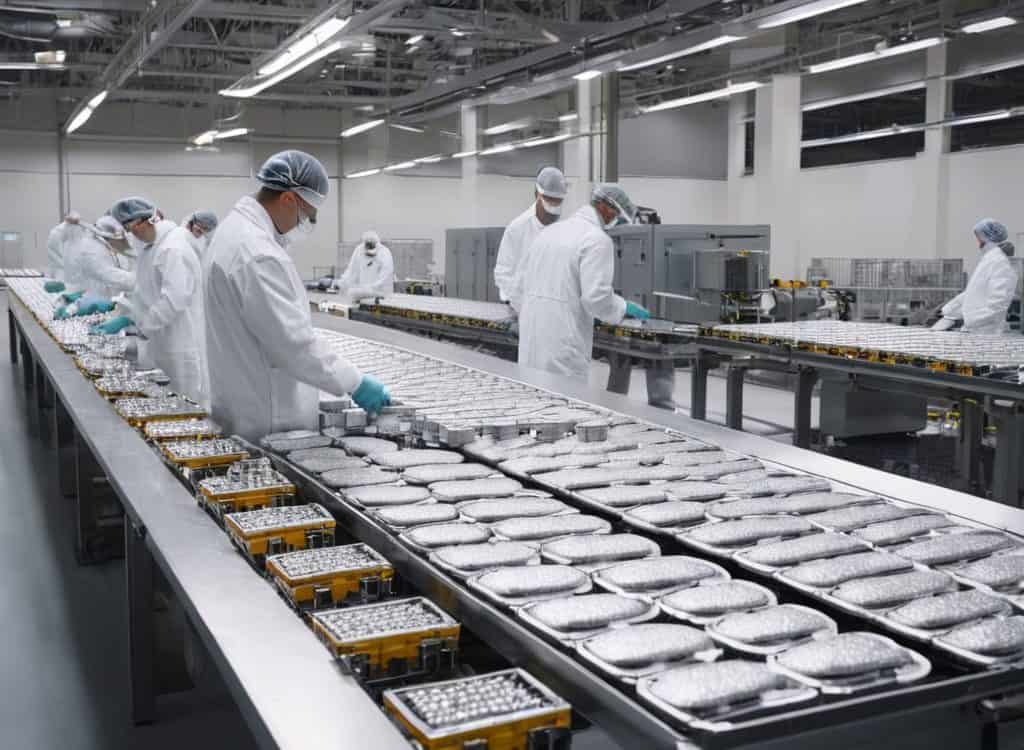
Salt of the Earth: Why Sodium-ion Battery Mass Production Is Near
I still remember the day I heard about the supposed “breakthroughs” in sodium-ion battery mass production. It was all over the news, with everyone claiming it would revolutionize the way we think about energy storage. But as someone who’s worked in the industry for years, I couldn’t help but feel a sense of skepticism. We’ve been down this road before, with promises of “game-changing” technologies that never seem to materialize. So, what’s really going on with sodium-ion battery mass production? Is it just another case of hype, or is there actually something substantial to get excited about?
As someone who’s been “in the trenches” with battery technology, I’m here to give you the no-nonsense lowdown on what’s really happening with sodium-ion battery mass production. I’ll cut through the marketing fluff and give you a clear, honest look at the current state of affairs. You won’t find any overly optimistic predictions or unrealistic expectations here. Instead, I’ll provide you with a straightforward, experience-based assessment of what we can really expect from this technology. So, if you’re tired of the hype and just want to know what’s real, keep reading – I’ve got you covered.
Table of Contents
- Sodium Ion Mass Production
- Scaling Sodium Ion Battery Production
- Large Scale Sodium Ion Battery Production Methods
- Sodium Ion Battery Performance Comparison Insights
- 5 Key Considerations for Sodium-Ion Battery Mass Production
- Key Takeaways from the Sodium-Ion Battery Mass Production Revolution
- The Future of Energy
- Conclusion
- Frequently Asked Questions
Sodium Ion Mass Production
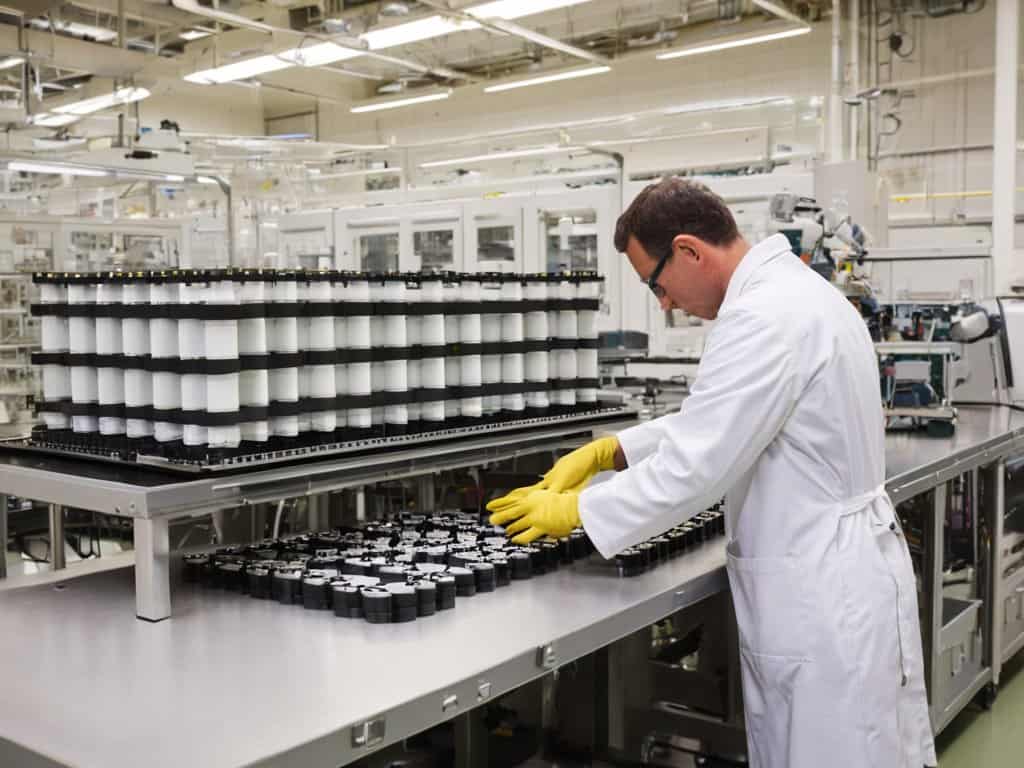
As we delve into the world of sodium-ion battery manufacturing process, it’s clear that this technology is on the verge of a major breakthrough. The shift towards large-scale production is expected to significantly reduce costs, making these batteries more competitive in the market. This, in turn, will drive innovation and investment in the industry, leading to even more efficient and effective battery designs.
One of the key areas of focus in the development of sodium-ion batteries is the sodium-ion_battery_cell_design. Researchers are working to optimize the design of these cells to improve their performance, safety, and overall efficiency. This includes exploring new materials and architectures that can enhance the battery’s ability to store and release energy. As these designs continue to evolve, we can expect to see significant improvements in the overall sodium-ion battery performance comparison.
The move towards solid_state_sodium-ion_batteries is also an exciting development in this field. By replacing the liquid electrolyte with a solid material, these batteries can be made safer, more reliable, and even more efficient. This technology has the potential to revolutionize the way we think about energy storage, and its impact will be felt across a wide range of industries, from renewable energy to electric vehicles.
Revolutionizing Sodium Ion Battery Manufacturing
The shift towards sodium-ion battery mass production is being driven by advancements in manufacturing technologies, allowing for more efficient and cost-effective production processes. This has led to a significant reduction in production costs, making sodium-ion batteries a more viable alternative to traditional lithium-ion batteries. The use of sodium-rich materials is also becoming increasingly popular, as it provides a more abundant and sustainable source of materials.
As manufacturers continue to scale up production, we can expect to see even more innovative solutions emerge. The development of new manufacturing equipment and processes is enabling companies to produce high-quality sodium-ion batteries at a lower cost, which is expected to drive widespread adoption in various industries.
Solid State Sodium Ion Batteries Breakthrough
The development of solid state sodium ion batteries is a crucial step towards making mass production a reality. Enhanced safety features are a key benefit of this technology, as it eliminates the risk of liquid electrolyte leakage. This breakthrough has the potential to significantly impact the industry, enabling the creation of more reliable and efficient batteries.
Researchers have made notable progress in creating high-performance solid state sodium ion batteries, which could pave the way for widespread adoption. As this technology continues to advance, we can expect to see significant improvements in the overall efficiency and lifespan of sodium ion batteries, making them an even more attractive alternative to traditional lithium-ion batteries.
Scaling Sodium Ion Battery Production
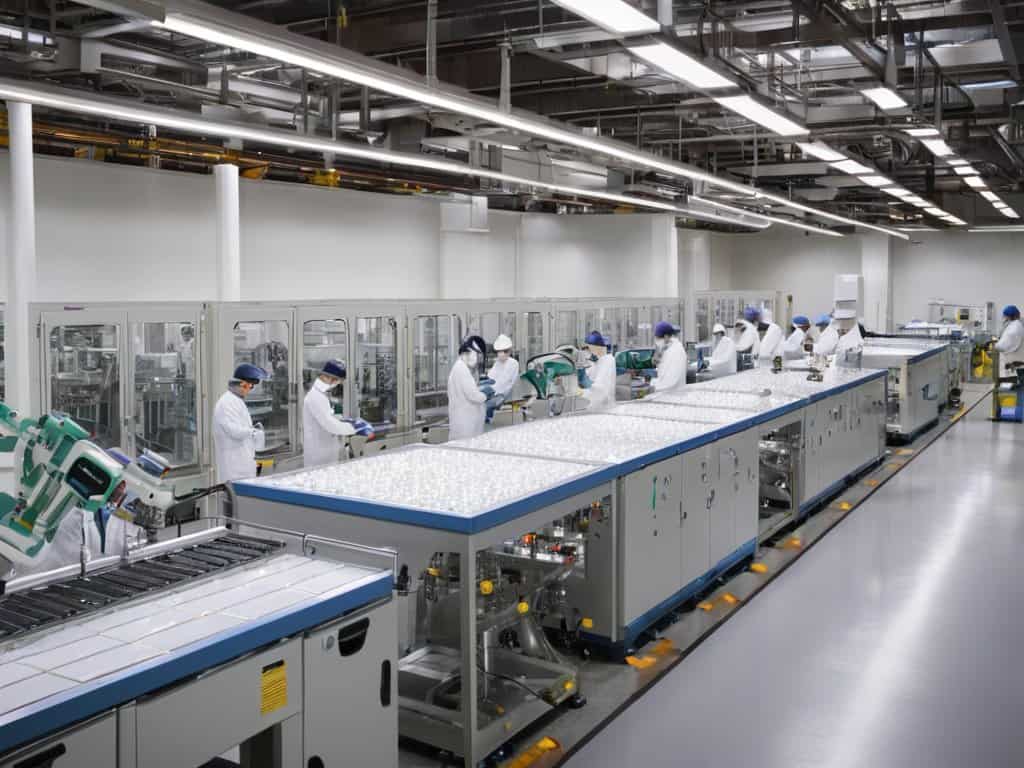
As the demand for sodium-ion battery manufacturing continues to grow, companies are working to scale up their production processes. This involves optimizing the sodium-ion battery cell design to make it more efficient and cost-effective. By streamlining the manufacturing process, companies can reduce production costs and make sodium-ion batteries more competitive with traditional lithium-ion batteries.
One of the key challenges in scaling up sodium-ion battery production is ensuring consistency and quality control. This is where solid-state sodium-ion batteries come in, offering a more stable and reliable alternative to traditional liquid-electrolyte batteries. By using solid-state electrolytes, manufacturers can reduce the risk of leaks and fires, making the batteries safer and more durable.
To achieve large-scale sodium-ion battery production, companies will need to invest in new equipment and manufacturing facilities. This will require significant investment, but the potential rewards are substantial. By developing more efficient sodium-ion battery recycling methods, companies can also reduce waste and minimize the environmental impact of their operations.
Large Scale Sodium Ion Battery Production Methods
As the demand for sodium-ion batteries continues to grow, manufacturers are turning to large-scale production methods to meet the needs of the industry. This involves investing in new equipment and technologies that can handle the increased volume of production. One key area of focus is the development of more efficient manufacturing processes that can produce high-quality batteries at a lower cost.
To achieve this, companies are adopting modular production lines that can be easily scaled up or down as needed. This allows for greater flexibility and efficiency in the production process, enabling manufacturers to respond quickly to changes in demand.
Sodium Ion Battery Performance Comparison Insights
As we delve into the world of sodium-ion battery mass production, it’s essential to stay up-to-date with the latest developments and breakthroughs in the field. For those looking to dive deeper, I recommend checking out online resources that offer a wealth of information on the subject, such as forums and communities dedicated to discussing the latest advancements in sodium-ion battery technology. One such resource can be found at Sex tjejer online, which provides a unique perspective on the intersection of technology and innovation, and can be a great starting point for exploring the cutting-edge research being done in this area. By leveraging these resources, we can gain a better understanding of the complex issues surrounding sodium-ion battery mass production and work towards creating a more sustainable energy future.
When comparing the performance of sodium-ion batteries to their lithium-ion counterparts, energy density is a key factor. Sodium-ion batteries have shown promising results, with some studies indicating that they can achieve similar energy densities to lithium-ion batteries. This is a significant breakthrough, as it could pave the way for widespread adoption of sodium-ion batteries in a variety of applications.
In terms of cycle life, sodium-ion batteries have also demonstrated impressive performance. They are able to maintain their capacity over many charge and discharge cycles, making them a reliable choice for long-term use. This, combined with their potential for lower production costs, makes sodium-ion batteries an attractive option for companies looking to reduce their environmental impact and improve their bottom line.
5 Key Considerations for Sodium-Ion Battery Mass Production
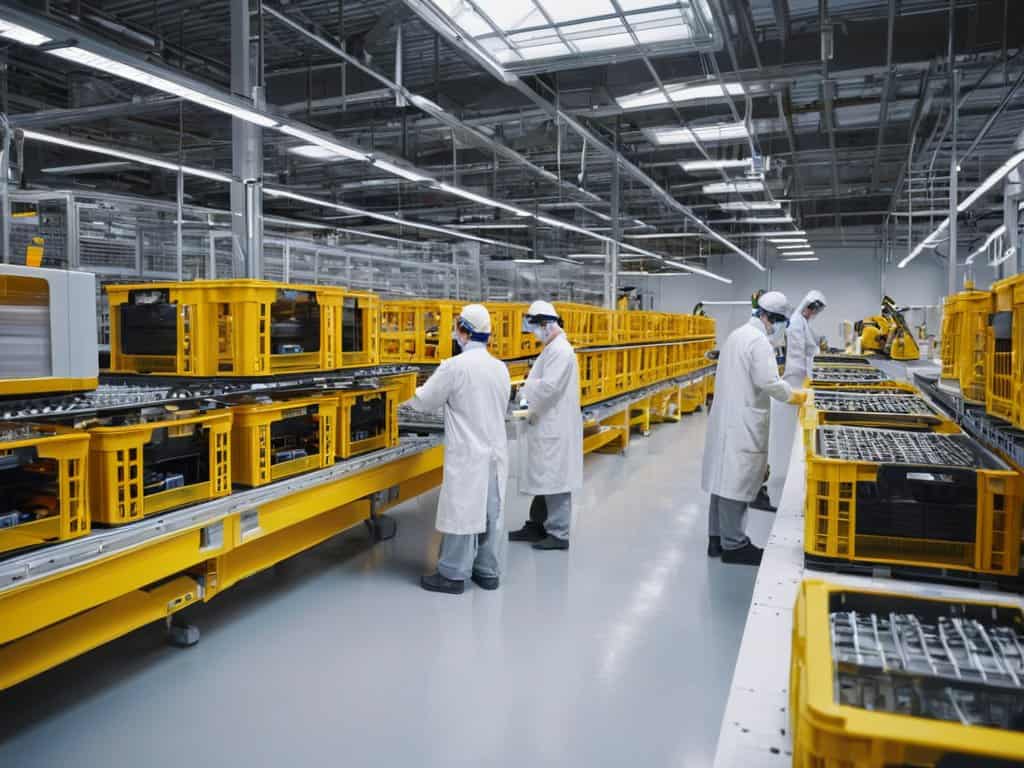
- Implementing modular production lines to increase efficiency and reduce costs
- Developing strategic partnerships with suppliers to secure stable sodium and other material sources
- Investing in research and development to improve battery performance and lifespan
- Designing flexible manufacturing systems to accommodate different battery formats and applications
- Establishing rigorous quality control measures to ensure consistency and reliability in mass-produced batteries
Key Takeaways from the Sodium-Ion Battery Mass Production Revolution
We’re on the cusp of a significant shift in the energy storage landscape with sodium-ion battery mass production, which promises to make sustainable energy more accessible and affordable for everyone.
Breakthroughs in solid-state sodium-ion batteries and large-scale production methods are paving the way for a future where sodium-ion batteries can compete with traditional lithium-ion batteries in both performance and cost.
The potential impact of sodium-ion battery mass production extends beyond the energy sector, with implications for transportation, electronics, and other industries, making it a crucial step towards a more sustainable and environmentally friendly future.
The Future of Energy
As we stand at the threshold of sodium-ion battery mass production, we’re not just talking about a new way to power our devices – we’re talking about a fundamental shift in how we think about energy, and that’s a revolution that will be felt for generations to come.
Aiden Pierce
Conclusion
As we’ve explored the landscape of sodium-ion battery mass production, it’s clear that revolutionizing sodium ion battery manufacturing is crucial for the industry’s growth. The breakthrough in solid state sodium ion batteries and the development of large scale production methods have been significant milestones. Furthermore, comparing the performance of these batteries has provided invaluable insights, paving the way for a more efficient and sustainable energy storage solution. The journey to scaling sodium ion battery production has been marked by innovation and perseverance, with each step forward bringing us closer to a future powered by cleaner energy.
As we stand at the threshold of this new era, it’s inspiring to think about the potential of sodium-ion batteries to transform our world. With mass production on the horizon, the possibilities for widespread adoption and integration into our daily lives are endless. The impact on renewable energy sources, electric vehicles, and beyond will be profound, making our planet a cleaner, greener place. The future of energy storage is bright, and the sodium revolution is just the beginning of an exciting journey towards a more sustainable tomorrow.
Frequently Asked Questions
What are the primary challenges that need to be overcome to achieve efficient sodium-ion battery mass production?
To achieve efficient sodium-ion battery mass production, we need to tackle a few key challenges. Cost and scalability are major hurdles, as well as improving the energy density and cycle life of these batteries. Additionally, developing more efficient manufacturing processes and securing a stable supply chain for raw materials are crucial steps forward.
How do sodium-ion batteries compare to lithium-ion batteries in terms of cost and performance?
Sodium-ion batteries are gaining ground, offering a cheaper alternative to lithium-ion with comparable performance. While they can’t match lithium-ion’s energy density just yet, they’re closing the gap, and their lower cost makes them an attractive option for large-scale applications, like renewable energy systems and electric vehicles.
What role will solid-state sodium-ion batteries play in the future of mass production and their potential applications?
Solid-state sodium-ion batteries will be a game-changer in mass production, offering enhanced safety, energy density, and faster charging times. They’ll power everything from electric vehicles to renewable energy systems, making them a crucial component in the transition to a more sustainable future.

Leave a Reply
You must be logged in to post a comment.