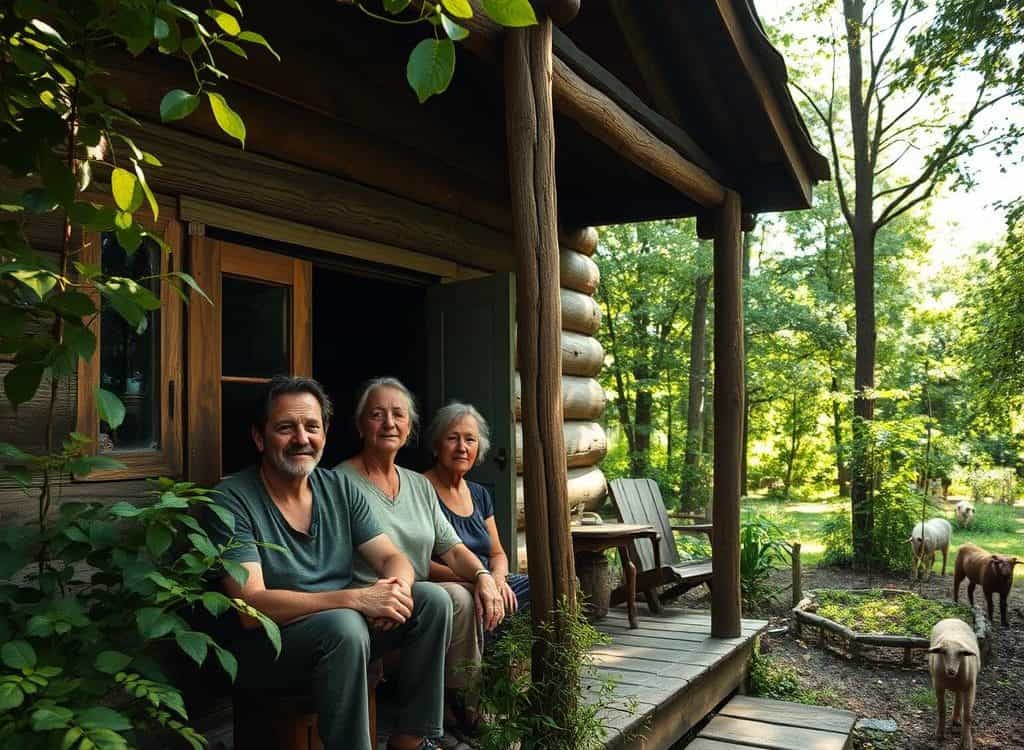
They Disappeared to Live Off the Land
Did you know that more people are living off the grid in the US and Europe? This number has doubled in the last ten years. They leave behind modern comforts for a simpler, self-sufficient life. These individuals are not just survivalists but pioneers of a sustainable lifestyle, often in remote areas.
In a world filled with stress and complexity, many seek simplicity by living in nature. Their stories are filled with both challenges and hope. It’s fascinating to explore what motivates them to choose this path and how it inspires others to rethink their lives.
Key Takeaways
- The number of off-grid communities has seen a 100% increase in the last ten years.
- Many off-gridders aim for financial independence and reduced carbon footprints.
- Self-sufficiency is a core tenet, with a focus on generating electricity and growing food.
- The off-grid movement attracts a diverse array of individuals seeking connection and community.
- Popular forums like Off-grid.net support those interested in sustainable, independent living.
The Rise of Survivalists in Modern Society
Survivalists are becoming more visible today, showing a growing interest in off-grid living and self-sufficiency. The number of preppers has doubled to 20 million people. This increase shows a shift in how people think, influenced by recent events.
Events like the pandemic, racial justice protests, and political changes have sparked interest in living differently. People want to be more resilient and independent.
Understanding the Off-Grid Lifestyle
The off-grid lifestyle is about being independent from public services. People use solar or wind energy, grow their own food, and hunt. They also learn important survival skills like first aid and fire-making.
This lifestyle attracts a wide range of people. From Black urban farmers to young families, they all seek a more sustainable life.
Why More People Are Choosing to Disappear
Many choose to disappear into a self-reliant life for various reasons. They want to escape societal pressures and economic worries. Stockpiling food, water, and tools helps them feel secure.
People adopt different strategies, like making their homes safe or moving to safer areas. Online communities and prepper stores help spread knowledge and skills. This trend shows a desire for simplicity and empowerment in a complex world.
People Who Went Off the Grid
The idea of people disappearing off the grid fascinates many. It also makes us wonder why they make such choices. James Yoblonski’s story is a prime example. He started his journey into the wilderness at just 13 years old.
His decision to seek independence is striking. It shows the allure of living off the land. These stories reveal the complex mix of wanting to be free and survive.
The Case of James Yoblonski
James Yoblonski’s adventure began with a family car. He wanted to break free from society’s rules. He packed survival guides and tried to set up camps in parks.
His story mirrors a trend among young people. They are drawn to the idea of being self-sufficient. Media often inspires them with tales of survival.
Comparisons to Other Missing Persons
James Yoblonski’s case reminds us of other disappearances. Talon Vance’s family left society for a remote spot in Colorado. They were seeking freedom and believed in conspiracy theories.
These stories share a common thread. They show the human desire for an off-grid life. Yet, they also highlight the dangers of such a path. They make us think about the balance between adventure and safety.
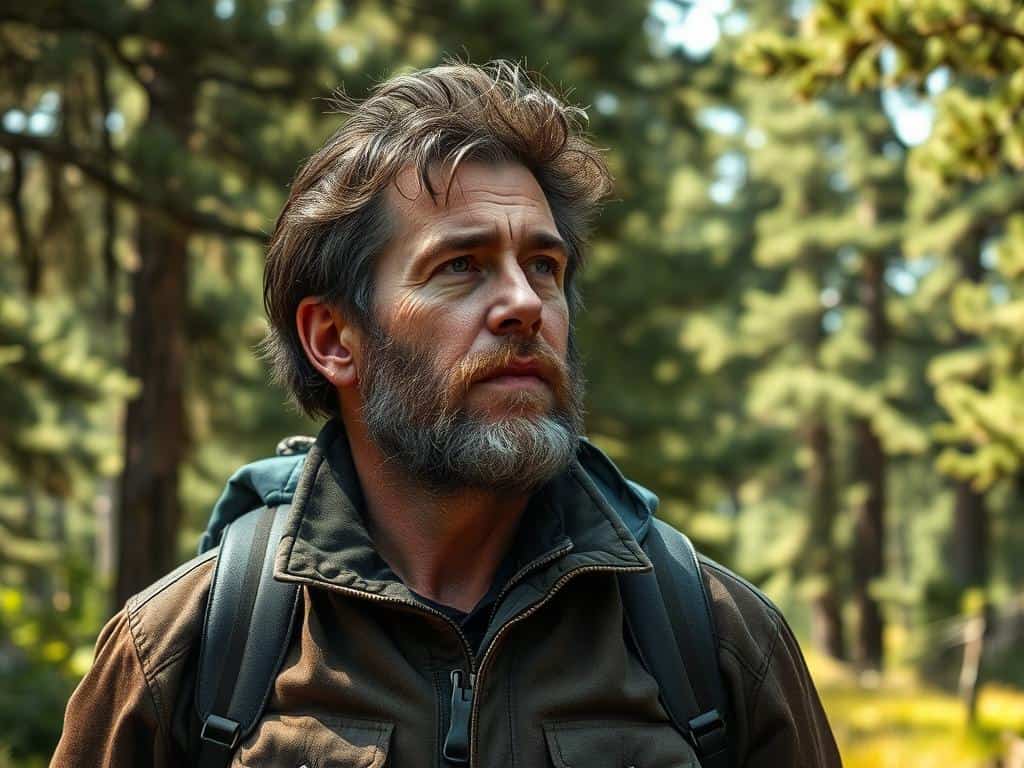
The Motivations Behind Alternative Living
Many people choose alternative living for personal reasons. They often seek simplicity and freedom. The off-grid lifestyle lets them manage their own power, water, and food.
This independence is attractive to those wanting to avoid modern life’s stress and complexity.
A Search for Simplicity and Freedom
Off-grid living promotes a greener lifestyle and connects people with nature. It’s fulfilling for many. Environmental concerns drive some to simplify their lives and reduce their ecological footprint.
Managing water and energy independently makes them resilient against societal collapse or natural disasters. For others, it’s a necessary choice when utility costs are too high.
Influences from Popular Culture
Popular culture has shaped many people’s desire for alternative living. Books and films like “Into the Wild” and “No Impact Man” show the appeal of leaving societal norms behind. These stories inspire many to rethink their lives and seek authenticity.
The family in “Off the Map” lives without modern conveniences to focus on what’s important—connection and simplicity. Nick Rosen’s work also highlights environmentalism and financial freedom as key reasons for off-grid living.
Conclusion
Off-grid living shows us how we connect with nature and society. People like James Yoblonski choose to live away from the world. They seek simplicity and freedom in a complex world.
Living off the grid means using solar energy and hand tools. It shows how resourceful people can be. They face challenges like finding energy and food without modern tools.
Survivalists teach us about our desire to be close to nature. They show us the importance of living off the grid. Their stories remind us of our own strength in changing times.

Leave a Reply
You must be logged in to post a comment.