
They Were Born in the Wrong Century!
Did you know over 40% of Americans feel nostalgic for times they never saw? This shows how many feel like they were born in the wrong era. They dream of the past’s charm and simplicity, like Marv from *Sin City*, who shows the intense emotions of his time.
Exploring this, I see many romanticize history without seeing its real side. In *Midnight in Paris*, the main character finds the past isn’t just a dream. Yet, many can’t resist the pull of going back in time. This mix of nostalgia and history shapes our view of today and our past.
I’ve looked at characters from different times, like Doc Brown in the Wild West and a 27th-century thief in the 19th century. These stories help me understand feeling out of place today while loving the old ways.
Key Takeaways
- More than 40% of Americans feel nostalgic for eras they didn’t live through.
- Characters like Marv from *Sin City* represent the longing for historical identities.
- *Midnight in Paris* illustrates the complexities of idealizing the past.
- Many individuals prioritize meaningful relationships over superficial connections.
- Feeling out of place in modern society is common among those longing for earlier times.
Exploring the Concept of Nostalgia for the Past
Nostalgia takes us back to the charm of bygone eras. I often dream of the 90s and early 2000s, when life was simpler. Back then, a pizza cost $18, and a salary could support a whole family.
Life was more meaningful without constant digital distractions. We valued face-to-face talks, where a simple call could change our day. It made our connections deeper and more real.
This nostalgia brings back memories of waiting for replies, sometimes for days or weeks. Every moment was precious, unlike today’s instant messages. It’s not just about missing the past; it’s about cherishing our own experiences within those memories.
Younger people, in particular, miss the good old days. They remember school buses, Blockbuster, and high school football games. It’s a longing for a time when life was less complicated.
Understanding nostalgia means knowing the difference between our personal memories and the collective past. Remembering can make us see the past through rose-tinted glasses. This reminds me of Schopenhauer’s idea that beauty offers a brief escape from daily worries.
Nostalgia is a mix of past experiences and present responsibilities. It can calm our nerves but also pushes us to engage with history. It shows us the beauty of the past while facing its challenges. Each era has its own set of problems, making our lives richer and more complex.
People Who Lived in the Wrong Era
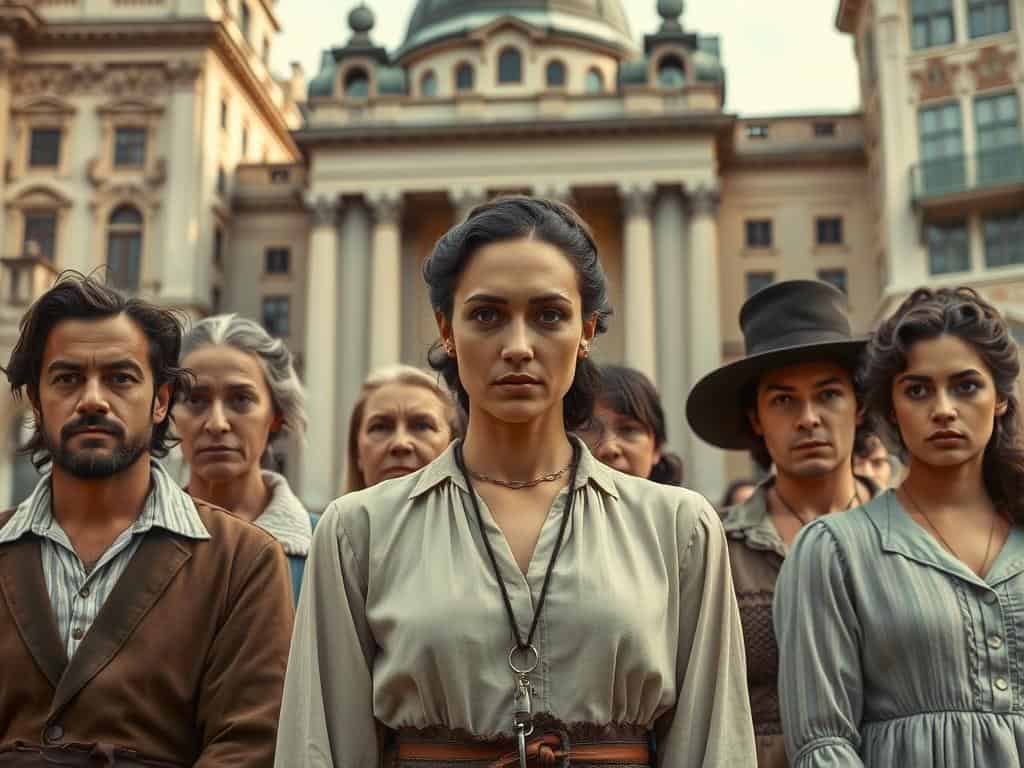
Many have longed for a time that wasn’t their own. This feeling shows up in pop culture and real life. People who dream of lavish balls or renaissance fairs show how nostalgia works.
Exploring these feelings helps us understand what it means to belong. The charm of historical characters and eras draws many. They seek connection and identity.
Fictional Representations in Pop Culture
Pop culture often features characters who wish they lived in another time. Doc Brown from “Back to the Future” and “Doraemon” characters travel through time. They face challenges and adventures in different eras.
These stories give us a peek into life’s slower pace and craftsmanship. Shows like “Bridgerton” glamorize social life but ignore serious issues. Social media, like TikTok, makes these views more popular.
People are drawn to historical aesthetics, like empire-waist dresses and vintage crafts. This lets them connect with a world full of charm and artistry.
Real-Life Examples and Their Stories
Real people who feel out of place in their time often seek community and authenticity. They’re unhappy with today’s isolation and miss the connections of the past. They might enjoy traditional crafts, like sewing by hand or writing with a quill pen.
Some admire the resourcefulness of the Great Depression era. They feel a deep connection to past lifestyle choices. The Victorian era, though romantic, was strict and had class restrictions.
The 1950s also had its challenges, with women facing societal expectations and using drugs like Valium. Nostalgia can be comforting but often simplifies the past’s complexities.
Conclusion
Nostalgia has a strong pull to eras like Woodstock or ancient Rome. This attraction often leads to a love for vintage items, such as poodle skirts or Roman artifacts. Yet, it’s important to accept the present.
Every era has its own charm and lessons. We live in a time full of new advancements and opportunities. It’s key to see the value in both the past and now.
Rediscovering past values shows us timeless principles like community and craftsmanship. For example, writing letters or making family recipes can add depth to our lives today. This mix of old and new helps us live fully in the present while respecting history.
My journey blends the old with the new, creating a life that values history but doesn’t get stuck in it. In a world of technology and change, connecting with the past helps us live more fully. It’s a path that balances the beauty of classical music with the excitement of today’s world.

Leave a Reply
You must be logged in to post a comment.