Overpriced Products: Not Worth Your Money?
Did you know people are willing to pay up to 150% more for luxury brands? They believe these brands offer better quality and status. This is interesting because many of us are attracted to overpriced products, thinking they’re worth it.
Many high-cost items, like personal care and fashion, claim to have premium ingredients. But do they really justify their high prices? Let’s explore why we’re drawn to these luxury brands and if they’re worth it.
Key Takeaways
- Overpriced products often rely on perceived value, not actual effectiveness.
- The allure of luxury brands comes from marketing that emphasizes exclusivity.
- High-quality ingredients and advanced formulations can justify higher prices.
- Consumers often overlook better alternatives that offer similar benefits at lower prices.
- Understanding the difference between product value and cost is key to smart buying.
Understanding Overpriced Products in Today’s Market
Many products today are overpriced, making us wonder if we’re getting good value. Often, these items cost much more than they should. It’s important to know the difference between overpriced items and those that are worth the money.
Defining Overpriced Products
An overpriced product is something that costs way more than it should. This can happen because of branding, market position, or lack of competition. For example, designer baby clothes can be 300% more expensive than similar, non-designer clothes.
Common Characteristics of Overpriced Items
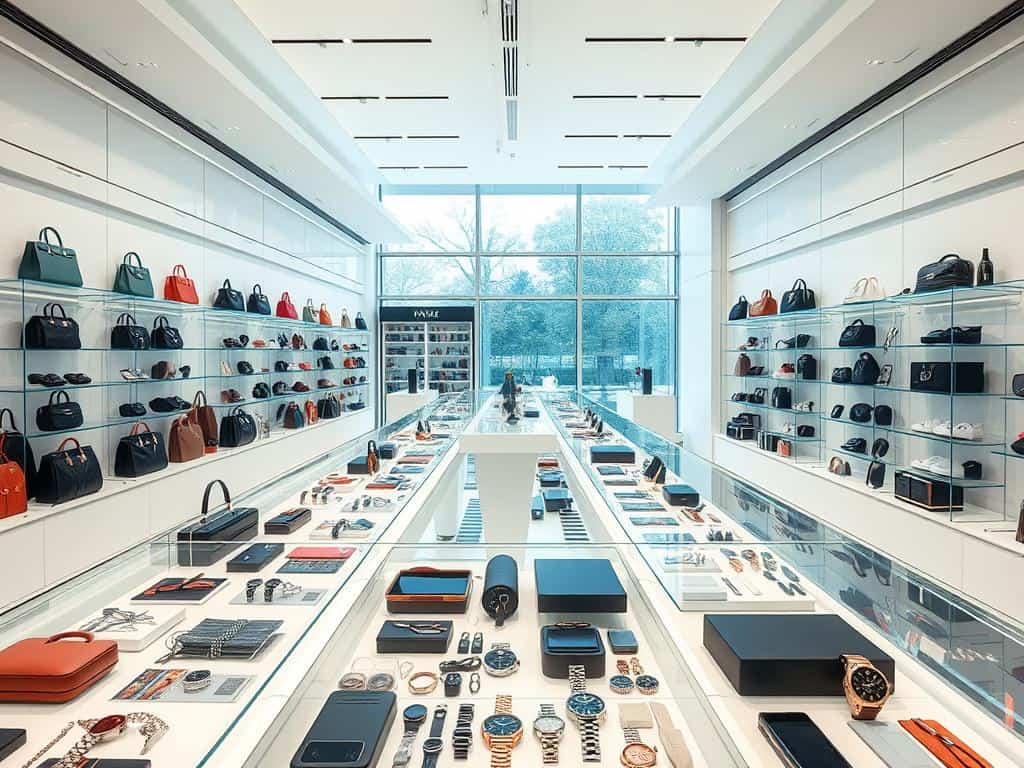
Overpriced products often have fancy marketing that makes them seem more valuable. Luxury brands use flashy packaging and limited availability to make their products seem special. For instance, eyeglass frames can be ten times more expensive than they should be, thanks to companies like Luxottica.
Other signs include unnecessary features that don’t add to the product’s use. Like expensive bottled water, which can cost up to 2000 times more than tap water.
Why Consumers Fall for Luxury Brands
Luxury brands appeal to our desire for status and social approval. Owning these products makes us feel successful and sophisticated. Weddings, for example, often lead to spending more on items that seem necessary.
People might ignore the cost-benefit ratio because of what others think. This is influenced by societal expectations of spending on high-priced items.
Overpriced Products: The Hidden Rip-Offs
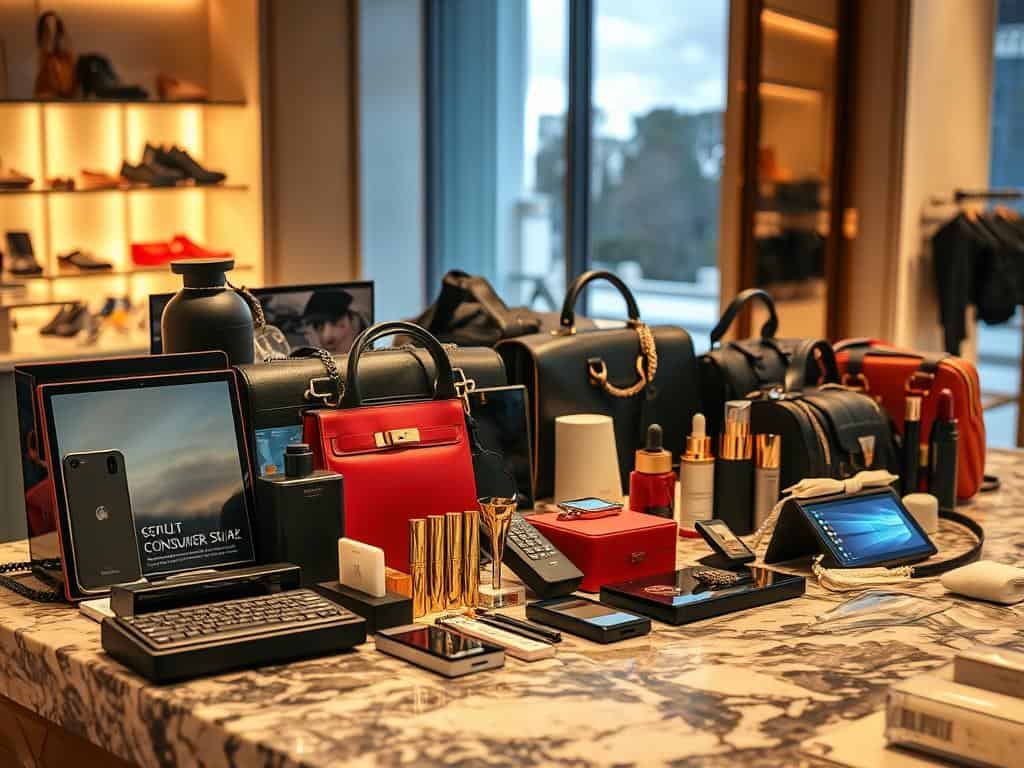
In today’s market, many consumers face overpriced products that don’t live up to their promises. Looking through various experiences, it’s clear that some items are just rip-offs. It’s key to examine specific examples to understand this issue better.
Examples of Expensive Products That Miss the Mark
One clear example is the huge price gap between dog and human medications. A dog’s chelation drug costs about $60, while the human version is over $3,000. This huge difference shows how important needs can become too expensive.
College textbooks also drain student budgets, costing hundreds or thousands of dollars. Mattresses, marketed for quality and durability, can cost as much as a new car. Even basic items like bottled water and tampons are overpriced. Inkjet cartridges, for example, can cost more than the printers themselves, making them seem like gold.
Consumer Experiences with Overpriced Products
Many consumers have had bad experiences with overpriced items. Overpriced funerals, costing over $20,000, add to the emotional and financial stress of loss. Weddings can also be expensive, with flowers sometimes costing over $5,000 due to high vendor prices. It’s sad to see such services taking advantage of those in need.
The cost of EpiPens is also alarming. These critical tools for allergy sufferers are priced too high. Many people are frustrated by the high cost of these life-saving products.
Identifying Better Alternatives for Your Budget
Fortunately, there are affordable alternatives for those on a budget. Brands that offer quality kitchenware or clothing at lower prices can be just as good without the high cost. Choosing generic medications can save a lot of money while ensuring the same quality.
Looking for cheaper options can help manage your budget without sacrificing quality. By avoiding unnecessary expenses, we can find better deals that meet our needs without breaking the bank.
Conclusion
Dealing with overpriced products can be tough. In this article, I’ve shared important tips for being a smart shopper. Knowing how prices are set and market forces work helps us make better choices.
Some products are pricey because of strong brands. These brands aim at certain groups and make their products seem valuable. But, it’s key to look beyond the brand and see what you really get. Smart shopping means comparing different options and thinking about their long-term value.
Being an informed shopper helps us make smart financial decisions. By focusing on value, not just brand names, we can save money. This way, we invest in things that really meet our needs and wants. Being aware of what we buy can make shopping more rewarding and help our finances stay healthy.

Leave a Reply
You must be logged in to post a comment.