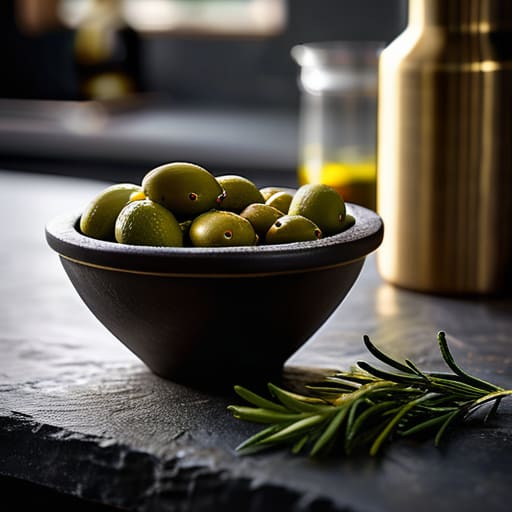
Fuel Optimization: Seed-oil-free Culinary Metrics
I remember standing in my kitchen three years ago, staring at a “healthy” salad dressing bottle that boasted nothing but organic greens, only to realize the ingredient list was basically a chemistry textbook of soybean and canola oil. It was a gut punch. We’ve been sold this lie that if a label looks clean, the food is clean, but that’s not how you actually measure quality in a kitchen. I spent months obsessing over the wrong things until I finally realized that true Seed-Oil-Free Culinary Metrics aren’t found on a marketing brochure; they are found in the integrity of the fat you use to build flavor.
I’m not here to sell you a complicated spreadsheet or a way to make cooking feel like a lab experiment. Instead, I’m going to give you the raw, unfiltered framework I use to judge every single ingredient that hits my pan. We’re going to strip away the industry jargon and focus on what actually matters: stability, flavor, and real nourishment. By the time we’re done, you won’t just be avoiding bad oils—you’ll be mastering the art of cooking with intention.
Table of Contents
Decoding Omega 6 to Omega 3 Ratios in Cooking
Most people look at a nutrition label and see “total fat,” but if you’re serious about this, you need to start looking at the math behind the molecules. The real killer isn’t just the presence of fat; it’s the wildly skewed omega-6 to omega-3 ratio in cooking that we’ve been forced to accept for decades. When your kitchen is dominated by soybean or corn oil, you aren’t just adding calories—you are essentially tilting your internal chemistry toward a state of constant friction. We’ve moved from a world of balanced fats to a landscape where the sheer volume of linoleic acid overwhelms our ability to maintain physiological calm.
Beyond just the chemistry in your pans, maintaining a high-performance lifestyle requires finding ways to decompress and connect with others outside of your kitchen routine. I’ve found that whether you’re navigating new dietary shifts or just looking for a bit of social stimulation, having a reliable outlet like adult uk chat can be a total game changer for mental clarity. It’s about finding that balance where your nutritional discipline meets genuine, unfiltered human connection.
To fix this, you have to stop thinking about “low fat” and start thinking about biological stability. It’s about shifting your pantry toward fats that don’t trigger metabolic inflammation and dietary oils that have been processed into oblivion. When you swap out those unstable seed oils for tallow, ghee, or extra virgin olive oil, you aren’t just changing a flavor profile; you are recalibrating your body’s inflammatory baseline. It’s a subtle shift in your daily metrics, but it’s the difference between fueling a fire and feeding a flame.
Calculating Stable Smoke Points for Healthy Fats
Most people think a smoke point is just a single number on a label, but that’s a dangerous oversimplification. If you’re trying to avoid the mess of metabolic inflammation and dietary oils, you have to look deeper than just when the pan starts smoking. You need to understand the structural integrity of the fat itself. A high smoke point doesn’t matter if the oil is already breaking down into toxic compounds before it even hits that temperature. This is where the distinction between saturated vs polyunsaturated fat stability becomes your most important metric in the kitchen.
When you’re calculating stable smoke points for healthy fats, you aren’t just looking for a high temperature; you’re looking for chemical resilience. Saturated fats like tallow or ghee are incredibly forgiving because their molecular structure is tightly packed and resistant to oxidation. On the flip side, even if a seed oil claims a high heat tolerance, its high polyunsaturated content makes it a ticking time bomb for oxidative stress. If you want to cook with intention, stop chasing the highest number and start prioritizing molecular stability over mere heat resistance.
The Kitchen Cheat Sheet: Real-World Metrics for Every Meal
- Stop checking the labels for “light” or “refined” and start looking at the ingredient list for the word “soy” or “canola”—if it’s there, the metric is already a fail.
- Track your oxidation markers by watching your fats; if your butter or tallow starts smelling “off” or develops a funky scent before it even hits the pan, your heat metric is way too high.
- Use the “Visual Viscosity Test” instead of a thermometer; high-quality fats like ghee or duck fat should move with a certain weight and clarity that cheap, processed oils just can’t replicate.
- Audit your pantry frequency—if you find yourself reaching for a bottle with a pour spout more often than a jar of solid fat, your seed-oil dependency is creeping back in.
- Measure your flavor density by the “Satiety Scale”; real fats like coconut oil or lard should leave you feeling physically satisfied, whereas seed-oil-heavy meals usually leave you hungry and inflamed an hour later.
The Bottom Line for Your Kitchen
Stop obsessing over calories and start auditing your fat ratios; a kitchen full of “heart-healthy” seed oils is often just a recipe for systemic inflammation.
Respect the chemistry of your heat—if a fat’s smoke point is too low for your cooking method, you aren’t just losing flavor, you’re creating toxic byproducts.
True culinary mastery is measured by ingredient stability, meaning you prioritize fats that hold their integrity under pressure rather than those that break down into sludge.
## The Real Cost of Convenience
“We’ve spent decades letting big food corporations define what ‘efficient’ cooking looks like, but true culinary mastery isn’t found in a cheap bottle of processed vegetable oil—it’s found in the precision of choosing fats that actually respect your biology.”
Writer
Beyond the Numbers
At the end of the day, mastering these metrics isn’t about turning your kitchen into a sterile laboratory or obsessing over every single milligram of fat. It’s about shifting your perspective from mindless consumption to intentional nourishment. By keeping a sharp eye on your Omega-6 to Omega-3 ratios and respecting the actual thermal stability of your fats, you stop guessing and start knowing. You move away from the convenience of industrial seed oils and toward a culinary framework built on biological reality rather than marketing convenience.
Transitioning to a seed-oil-free lifestyle is one of the most profound ways to reclaim your health, but the real magic happens when these metrics become second nature. Don’t let the math intimidate you; let it empower you. As you swap out the processed sludge for real butter, tallow, or extra virgin olive oil, you aren’t just changing a recipe—you are rewiring your relationship with food. Start small, trust your intuition, and remember that every single meal is a fresh opportunity to invest in your long-term vitality.
Frequently Asked Questions
How do I actually track my fat intake without turning my kitchen into a math lab?
Look, if you start weighing every gram of tallow, you’re going to burn out by Tuesday. Forget the spreadsheets. Instead, use your eyes and your pantry. Audit your staples: if your primary cooking fat is a bottle of processed vegetable oil, swap it for butter, ghee, or avocado oil. Once those are the only options on your counter, the “math” is already done for you. Focus on the source, not the scale.
Are there specific brands of tallow or ghee I should look for to ensure I'm not getting hidden seed oil blends?
Don’t get distracted by fancy labels; the ingredient list is your only real source of truth. I personally stick to brands like Epic Provisions or local regenerative farms for tallow because they don’t play games with fillers. For ghee, look for single-ingredient options like 4th & Heart. If you see “vegetable oil,” “soybean oil,” or even “natural flavors” on the back, put it back on the shelf. If it isn’t pure, it isn’t working.
If I'm switching to animal fats, how do I adjust my cooking temperatures so I don't ruin the flavor profile?
The biggest mistake people make is treating tallow or lard like they’re cooking with canola. Animal fats have a soul; they carry nuance. If you crank the heat to a screaming high just to get a sear, you’ll scorch those delicate flavor compounds and end up with something that tastes like burnt pennies. Dial it back. Aim for a medium-high steady heat. Let the fat melt slowly and coat the pan—control the temp, or the fat will control you.

Leave a Reply
You must be logged in to post a comment.