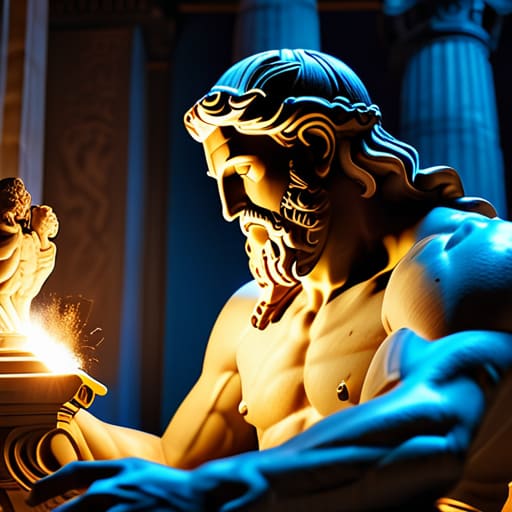
From Zeus’s Ego to Your Tinder Fails: a Whimsical Deep Dive Into How Ancient Myths Shape Modern Culture
I was sitting in a lecture hall back at Emerson, nursing a lukewarm latte and listening to a professor drone on about how “the structural archetypes of antiquity provide the foundational scaffolding for our contemporary psyche.” Honestly, if I had to hear one more academic use fifty-dollar words to explain something that basically boils down to humans being unapologetically messy, I was going to stage a one-woman protest. We don’t need a PhD to see how ancient myths shape modern culture; we just need to look at our disastrous dating lives or our obsession with celebrity drama. It’s not some grand, invisible architecture; it’s just the same old chaos, only now we have better Wi-Fi and significantly more targeted ads.
Look, if you’re starting to feel like your own life is just a series of poorly scripted Greek tragedies—you know, the kind where you’re constantly battling your own hubris or just trying to avoid a total social meltdown—you might need a little help navigating the unfiltered chaos of human connection. Honestly, sometimes the best way to decompress from the heavy weight of destiny (or just a really bad Tinder date) is to dive into some digital escapism where the drama is actually fun. I’ve found that if you need a place to vent or just want to explore some more spontaneous interactions without the heavy baggage of a mythological curse, checking out adult chat France is a pretty solid way to distract yourself from the existential dread of being a modern-day mortal.
Look, I’m not here to give you a dusty history lesson or pretend there’s some profound, mystical wisdom hidden in a pile of marble ruins. Instead, I’m going to strip away the pretension and show you the actual absurdity of how these old stories are still pulling our strings today. We’re going to dive into the hilarious reality of how we’re all just reenacting ancient soap operas in much more expensive outfits.
Archetypes in Modern Storytelling Same Drama New Outfits

Let’s be real: we aren’t actually inventing anything new; we’re just giving the same old drama a much-needed wardrobe change. Whether it’s a gritty superhero in a spandex suit or a misunderstood teen in a dystopian wasteland, we are essentially just recycling the same tired tropes. It’s the hero’s journey in pop culture all over again, just with better CGI and significantly more product placement. We think we’re being edgy and revolutionary, but deep down, we’re just chasing the same dopamine hit that ancient Greeks got from watching Perseus tackle a monster.
It’s honestly kind of hilarious how predictable we are. You look at any blockbuster, and you can practically see the seams where the mythological symbolism in cinema is being stitched together. We take these massive, cosmic conflicts and shrink them down into relatable, messy human problems—because apparently, we need a god-tier metaphor just to process a bad breakup or a mid-life crisis. We’re all just playing dress-up with the classics, pretending our modern sagas aren’t just echoes of a story told around a campfire three thousand years ago.
The Heros Journey in Pop Culture From Achilles to Avengers
Let’s be real: we haven’t actually invented anything new in three thousand years. We’ve just traded bronze swords for vibranium shields and chariots for sleek, overpriced electric cars. Whether it’s Percy Jackson dodging a literal god or Captain America trying to figure out how to use a smartphone, the hero’s journey in pop culture is basically just the same old script with a massive CGI budget. We crave that specific brand of cosmic struggle where a flawed protagonist has to face their inner demons—and by “inner demons,” I mean giant purple aliens or misunderstood monsters.
It’s all about that familiar rhythm of the call to adventure, the messy middle, and the inevitable triumph. This isn’t just a coincidence; it’s the deep-seated psychological comfort of seeing a hero rise from the ashes. When we watch these cinematic epics, we aren’t just paying for popcorn; we are subconsciously engaging with mythological symbolism in cinema that dates back to the campfire stories of antiquity. We’re all just waiting for our own moment of divine intervention, even if that intervention is just finding a parking spot on a Saturday.
5 Ways to Spot an Ancient Greek Drama Hiding in Your Netflix Queue
- Look for the “Messy Ex” Trope: If a character is making life-altering, catastrophic decisions because they’re heartbroken or vengeful, congratulations—you aren’t watching a modern drama, you’re watching a reimagined version of Hera losing her absolute mind.
- Spot the “Chosen One” Complex: Whenever a protagonist insists they’re the only person capable of saving the world (while clearly having zero training), just realize they’re basically Achilles with a better skincare routine and a smartphone.
- Recognize the Hubris Trap: Watch for that moment a character gets a little too cocky about their success; that’s not just character development, that’s the universe preparing to drop a lightning bolt on them, just like Zeus used to do.
- Identify the Relatable Monster: Even our modern villains usually follow a pattern of being “tragic” or “misunderstood,” which is really just a fancy way of saying they’re mythological creatures who skipped their therapy sessions.
- Embrace the Cycle: Realize that most “new” plot twists are just old stories wearing different hats; once you see the pattern, you’ll realize we aren’t inventing anything new, we’re just remixing the classics with better Wi-Fi and slightly less toga.
The Mythic Hangover We Can't Quit
So, there you have it. We’ve spent this whole deep dive realizing that whether we’re watching a Marvel movie or scrolling through a messy celebrity breakup on TikTok, we’re basically just replaying the same old Greek tragedies with slightly better special effects and significantly more expensive skincare routines. From the archetypes that dictate our favorite TV tropes to the epic, hero-centric journeys that keep us glued to our screens, ancient myths aren’t just dusty relics gathering cobwebs in a museum; they are the invisible blueprint for every bit of drama we consume. We haven’t actually evolved much; we’ve just swapped the lightning bolts for smartphones and the chariots for Teslas.
At the end of the day, acknowledging these patterns shouldn’t make the world feel less magical—it should actually make it feel more connected. There is something weirdly comforting about knowing that the chaos of modern life is just a remix of a story that’s been playing on loop for thousands of years. So, the next time you find yourself caught in a whirlwind of cosmic absurdity, just remember: you’re not losing your mind, you’re just living a classic. Embrace the chaos, find the humor in the gods’ mistakes, and keep dancing through the madness like it’s your own personal epic.

Leave a Reply
You must be logged in to post a comment.