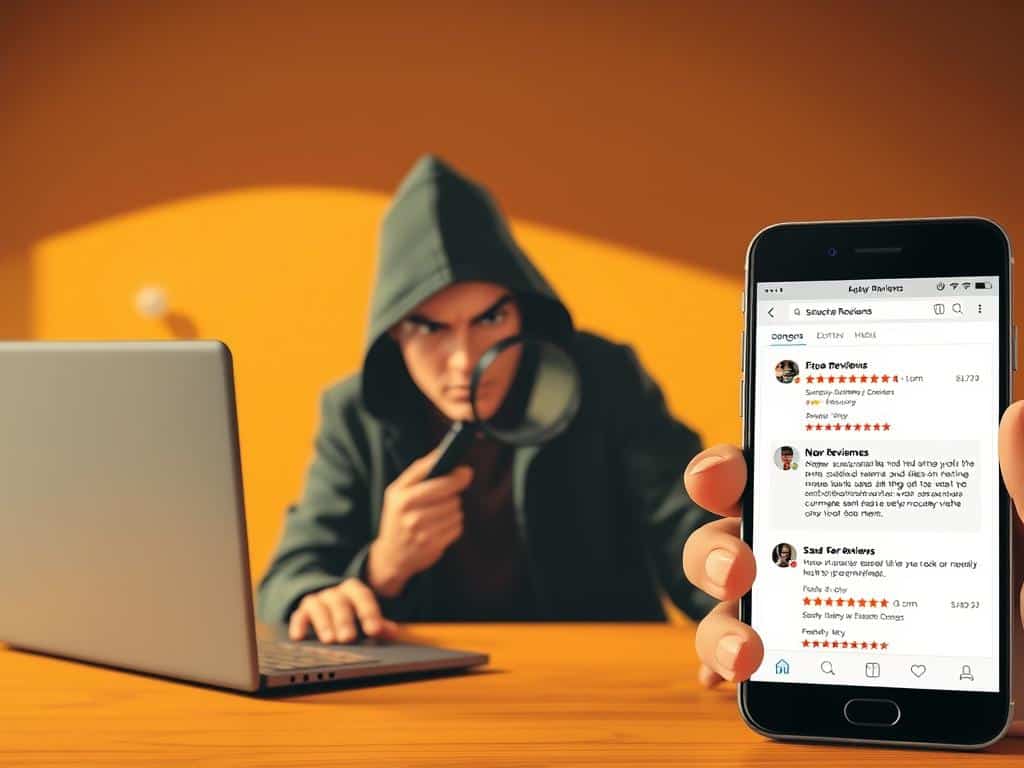
Fake Reviews Exposed: How to Spot Lies & Scams
Did you know nearly 30% of online reviews are fake? This shocking fact shows how big the problem is for online trust. When I shop online, it’s key to spot fake feedback to avoid bad choices. Fake reviews can change how we see products and make our shopping decisions.
With scams getting more common, learning to spot them is important. It helps us make better choices online. This way, our shopping experience can get much better.
Key Takeaways
- Fake reviews make up a scary 30% of all online feedback.
- Generic names and polished stock images are common signs of fake reviews.
- Look for overly enthusiastic language without real details.
- Suspicious review patterns include all-positive or all-negative ratings.
- Technology like Natural Language Processing can find fake reviews.
- Behavioral analysis of reviewers can show suspicious activity.
- Understanding metadata and timestamps can reveal fake review trends.
The Growing Problem of Fake Reviews
Fake reviews are a big problem for both buyers and sellers. With more and more fake reviews out there, it’s key to know the truth before buying. Studies show that about 30% of reviews might be made up. This is a serious issue.
Understanding the Statistics
In 2023, TripAdvisor stopped over 2 million fake reviews. This is a big jump from before. The Federal Trade Commission says fake reviews cost U.S. businesses almost $152 billion a year. This is because of damage to their reputation and lost sales.
About 75% of people worry about fake reviews. And 63% think brands should do more to stop fake content on their sites.
The Impact on Consumer Behavior
Fake reviews change how people shop. Over 50% of people might not buy if they think reviews are fake. This shows how important honest feedback is online.
Many people want to trust a third-party checker to make sure reviews are real. This shows a big change in what people expect to protect them online. As the internet grows, businesses must make sure their reviews are real.
Identifying Fake Reviews
When I’m looking to buy something, finding out if reviews are real is key. Spotting fake reviews helps me make better choices. I look for signs like overly positive or negative comments that seem too good (or bad) to be true. Real reviews usually have a balanced view, while fake ones might lack details.
Red Flags in Review Language
I watch the tone of reviews closely. Too much excitement or anger can mean someone’s trying to sway opinions. Phrases that sound like they were written by a machine are often fake. I also look out for reviews that use big words when simple ones would do.
Reviews that seem too perfect might not be real. They might not show the true experience of using a product.
Profile Check: Spotting Dubious Reviewers
Looking at the reviewer profile can reveal a lot. Profiles that are new or have few reviews might be fake. I check if a reviewer posts many reviews quickly. This could mean they’re not real.
By checking these profiles, I can tell if a review is likely fake. This helps me decide if I should buy something.
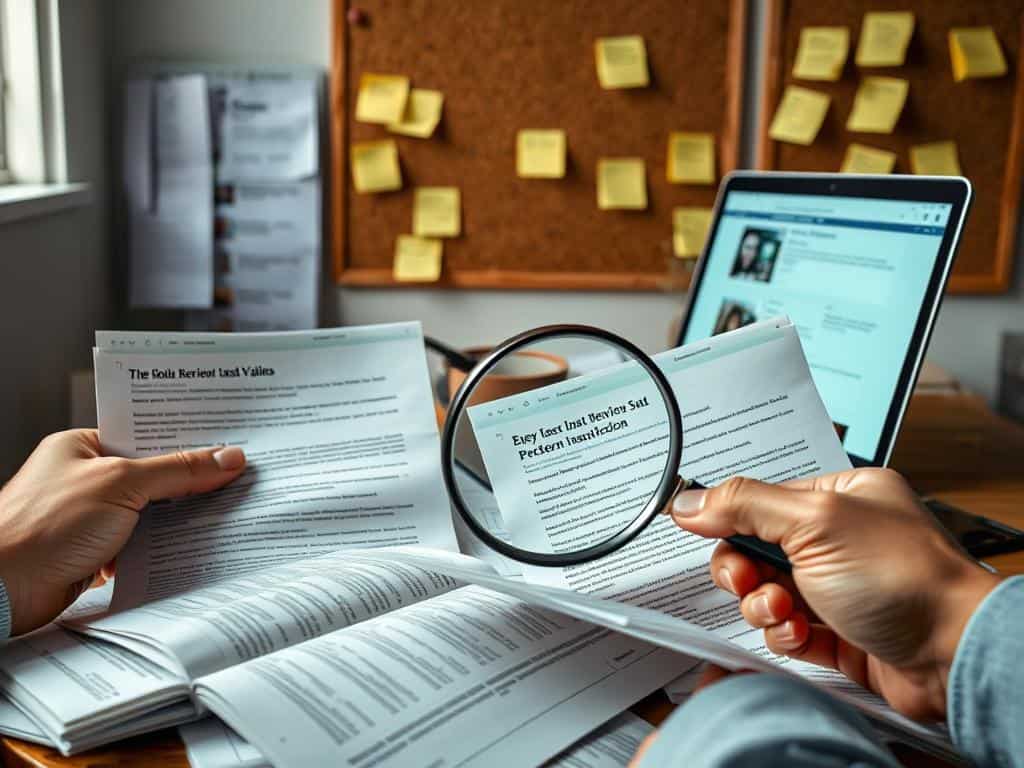
Fake Reviews Exposed: Tools and Techniques
Technology is key in our battle against fake reviews. Tools like Fakespot give me an A-F grade for review authenticity. This is super helpful on big sites like Amazon, where reviews pile up.
Using Technology to Your Advantage
Online reviews can be a maze. But with the right tools, managing them is easier. These tools spot fake reviews by looking for patterns and oddities. Businesses use them to keep reviews honest, building trust with customers.
Reporting Fake Reviews
Spotting fake reviews is important. Most sites let you report them quickly. If there’s a lot of fake activity, businesses might go to the FTC. It shows that honesty is vital for everyone in the market.
Conclusion
Fake reviews are a big problem online, with 30% of reviews being fake, says Fakespot. This shows we need to fight fake reviews hard. When people find fake reviews, 68% lose trust in brands.
This loss of trust hurts both consumers and businesses. Businesses might lose up to 15% of their revenue because of fake reviews.
It’s up to us to protect ourselves online. We can spot fake reviews and use tools to help us. Google and Flipkart are making rules to stop fake reviews, but we must stay alert.
Being honest and accountable in reviews helps everyone. Fake reviews cost the economy about $152 billion. If we all work together, we can make online reviews more real and trustworthy.

Leave a Reply
You must be logged in to post a comment.