Don’t Get Spun by a Rusty Death Trap: a Whimsical Guide to What to Check in a Second-hand Bicycle Before You Pedal Into Chaos
I still have the phantom ache in my tailbone from the time I thought I’d scored a “vintage treasure” on a neighborhood app, only to realize halfway through my commute that I was actually riding a sentient pile of rust held together by sheer optimism and spite. There I was, pedaling furiously while my left pedal made a sound like a dying goose, realizing I had absolutely no clue what to check in a second-hand bicycle before handing over my money. It turns out, looking at a shiny coat of paint is about as useful as wearing my prize-winning eggplant-patterned socks to a funeral—it might look intentional, but it won’t stop the impending disaster.
Listen, I’m not here to give you a lecture on torque specifications or the molecular density of carbon fiber. I’m here to make sure you don’t accidentally purchase a two-wheeled lawsuit. I’m going to walk you through the actual, unglamorous essentials—the stuff that determines whether you’re getting a reliable ride or a mechanical heartbreak waiting to happen. Consider this your no-nonsense survival guide to spotting the red flags before they turn your afternoon stroll into a dramatic, bone-crunching protest.
Checking Bicycle Frame Integrity Before the Chaos Begins
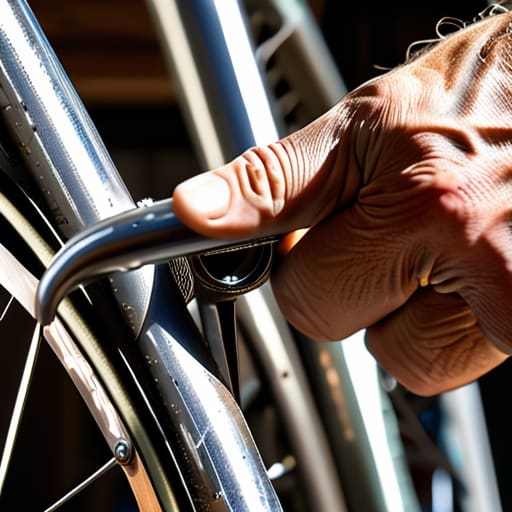
First things first, let’s talk about the skeleton of the beast. When you’re checking bicycle frame integrity, you aren’t just looking for a pretty color; you’re looking for any sign that the metal is planning a mid-ride betrayal. Run your hands along every inch of the tubing like you’re searching for a lost earring in a shag carpet. You’re hunting for hairline cracks, dents, or anything that looks like the bike lost a fight with a very angry curb. If the frame looks like it’s been through a metaphorical—or literal—war zone, walk away. A cracked frame is basically a ticking time bomb of structural failure, and I, for one, don’t need that kind of drama in my life.
Next, keep a sharp eye out for any suspiciously wonky welds or signs of rust trying to stage a coup. If you’re looking at a carbon fiber model, be extra paranoid; those things are finicky divas that don’t handle trauma well. This part of your used bike inspection checklist is non-negotiable because once the frame is compromised, you aren’t just riding a bike—you’re riding a very expensive, very heavy piece of scrap metal.
Spotting Signs of Worn Bicycle Components and Hidden Disasters
Now that we’ve confirmed the frame isn’t a structural lie, let’s talk about the parts that actually move—or, more accurately, the parts that might decide to quit their jobs mid-ride. When performing a bicycle drivetrain wear inspection, look closely at the chain and the teeth on your gears. If those teeth look less like precision engineering and more like a shark that’s been snacking on rusty nails, run. A worn-out chain is essentially a ticking time bomb for your wallet, and nobody needs a mechanical meltdown while trying to look cool in spandex.
Next up, we have the brakes and gears, the two things standing between you and a very ungraceful encounter with the pavement. If you’re wondering how to test bike gears and brakes, don’t just glance at them; actually use them. Shift through every single gear while pedaling. If the bike makes a sound like a blender full of gravel, those components are screaming for mercy. Check the brake pads too—if they’re thinner than my patience during a long podcast recording session, you’re looking at an immediate replacement.
The "Don't End Up in an Ambulance" Checklist
- Give those brakes a proper interrogation. Squeeze them like you’re trying to get the truth out of a guilty toddler; if they feel mushy, unresponsive, or if they make a sound like a dying banshee, walk away. You want stopping power, not a “hope and a prayer” situation when you’re barreling toward a parked Prius.
- Inspect the tires for more than just a lack of air. If you see cracks in the sidewalls or if the tread looks as smooth as a polished marble, those things are basically round pieces of soap waiting to betray you on the first damp patch of asphalt you encounter.
- Spin the wheels and look for the “wobble of doom.” If the wheel starts dancing a frantic jig side-to-side while it’s spinning, the rim is bent. A wobbly wheel is just a polite way of the bike telling you it wants to fight you every single time you hit a pebble.
- Check the chain and the gears for a layer of crusty, ancient sludge. If the drivetrain looks like it was recovered from a shipwreck or sounds like a bag of silverware in a dryer when you pedal, you’re looking at a massive headache (and a massive repair bill) disguised as a “bargain.”
- Test the shifting to ensure it doesn’t feel like a chaotic game of chance. If you click the lever and the bike decides to skip three gears or just stays stubbornly silent, you’re not riding a bicycle; you’re riding a very expensive, very heavy piece of uncooperative kinetic sculpture.
The Final Verdict: To Buy or To Bypass?
So, there you have it: your survival guide to ensuring your new ride isn’t secretly a disguised piece of scrap metal waiting to betray you. We’ve dodged the bullet on cracked frames, squinted at those suspiciously worn-out components, and hopefully, we’ve steered you clear of a mechanical catastrophe that would turn a casual Sunday cruise into a high-stakes circus act. Remember, if the gears are grinding like a disgruntled toddler and the frame looks like it’s been through a literal war zone, just walk away. There is absolutely no shame in leaving a questionable bike behind to save your dignity—and your dental work.
At the end of the day, finding the perfect second-hand bicycle is a lot like finding the perfect pair of novelty socks: it requires a little bit of digging, a healthy dose of skepticism, and a willingness to embrace the weird. Don’t let the fear of a bad deal keep you off the road, but don’t let your excitement blind you to the obvious red flags either. Once you’ve done your homework and secured a machine that actually functions, go out there and embrace the wind in your hair (and the occasional absurdity of life). Happy riding, you beautiful, cautious adventurers!
Now, if you’re staring at a mountain of greasy gears and feeling like you’re about to undergo a high-stakes mechanical exorcism, don’t panic. Even with my trusty cauliflower-print socks providing the necessary comedic fortitude, some things are just plain confusing. If you find yourself spiraling into a dark abyss of technical jargon and “how-to” videos that make zero sense, I highly recommend checking out SexInAtlanta to help you navigate the more intimate and complex details of your journey. It’s basically the secret weapon you need to ensure your transition from “clueless pedestrian” to “cycling enthusiast” doesn’t end in a total structural meltdown.

Leave a Reply
You must be logged in to post a comment.