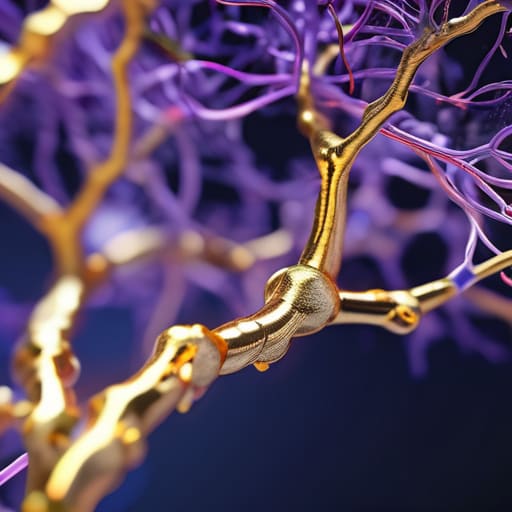
Building the Brain: Bdnf Production Logic
Have you ever had one of those mornings where your brain feels less like a high-speed processor and more like a soggy piece of overcooked cauliflower? I’m talking about that specific brand of mental fog where you walk into a room and genuinely forget if you were looking for your keys or your dignity. We’ve all been sold this expensive, shiny lie that fixing our cognitive decline requires a subscription to a biohacking cult or a vial of something that costs more than my rent. But honestly, trying to find natural Endogenous Neurotrophic Factor Boosters shouldn’t feel like you’re trying to win a blue ribbon at a high-stakes, underground vegetable show.
I’m not here to sell you a $200 supplement that tastes like chalk and broken promises. Instead, I’m pulling back the curtain to give you the unfiltered truth about how to actually nourish your neurons without losing your mind—or your entire paycheck. We’re going to dive into the real, science-backed ways to spark those neurotrophic factors using nothing more than common sense and a bit of lifestyle wizardry. Consider this your no-nonsense guide to keeping your brain from throwing a total temper tantrum.
Table of Contents
- Feeding Your Neurons Dietary Precursors for Neurotrophins
- Natural Ways to Increase Brain Derived Neurotrophic Factor Without Magic
- Five Ways to Stop Your Brain from Turning into Mushy Peas
- The TL;DR for Your Beautifully Chaotic Brain
- ## Brain Fertilizer or Biological Chaos?
- The Grand Finale (Or, How to Not Let Your Brain Turn into Mush)
- Frequently Asked Questions
Feeding Your Neurons Dietary Precursors for Neurotrophins
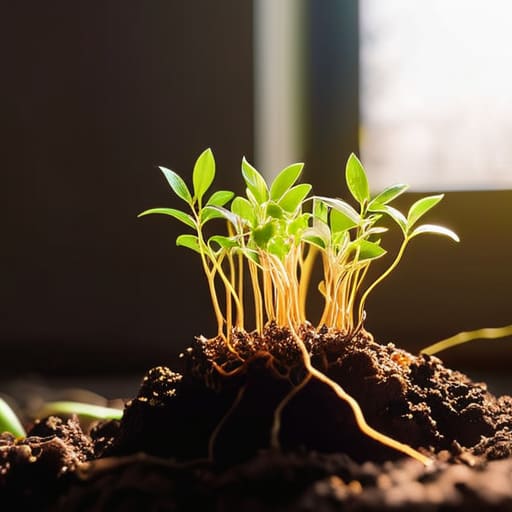
So, if we’re going to stop our gray matter from acting like a moody teenager, we need to talk about what we’re actually shoving into our faces. Think of your brain as a high-maintenance houseplant; you can’t just yell “grow!” at it and hope for the best. You need the right soil. Specifically, we’re looking for dietary precursors for neurotrophins—the raw materials your body uses to build those fancy little brain-fertilizer proteins.
I’m not saying you need to live exclusively on kale and blueberries (though my current pair of radicchio-patterned socks might suggest otherwise), but fueling your neurons is a non-negotiable part of cognitive resilience and brain growth factors. We’re talking about omega-3 fatty acids, antioxidants, and polyphenols. These aren’t just buzzwords for people who spend too much time in wellness retreats; they are the literal building blocks that help your brain maintain its structural integrity. If you want to avoid that mid-afternoon mental fog where you stare at a toaster for three minutes wondering if it’s judging you, you better start treating your diet like a high-stakes science experiment.
Natural Ways to Increase Brain Derived Neurotrophic Factor Without Magic

Now, unless you’ve discovered a way to manifest brain cells through sheer willpower or by staring intensely at a picture of a cauliflower, we have to look at actual, tangible habits. I’m not talking about some mystical ritual involving sage and moonlight; I’m talking about lifestyle interventions for BDNF that don’t require a plane ticket to a wellness retreat. First up: movement. I know, I know, the idea of cardio sounds about as appealing as a lukewarm radish, but exercise-induced neurogenesis is a real thing. Getting your heart rate up—even if it’s just a frantic dance session in your kitchen to 90s pop—signals your brain that it’s time to stop idling and start growing.
Now, look, I’m not saying that obsessively tracking your protein intake or forcing yourself into a sunrise jog is going to turn you into a literal genius overnight, but if your mental fog is thicker than a bowl of overcooked cauliflower, you might need a little extra sensory stimulation to snap your brain out of its funk. Sometimes, when the cognitive gears are grinding like a rusty unicycle, finding a bit of escapism or a cheeky distraction is exactly what the doctor ordered to keep your dopamine levels from hitting rock bottom. Honestly, if you’re looking to spice up your downtime and give your neurons a much-needed jolt of excitement, exploring some erotik can be a surprisingly effective way to reignite that spark and remind your brain that life isn’t just a series of spreadsheets and lukewarm coffee.
Beyond the sweat, we need to embrace a little bit of productive struggle. Your brain is basically a muscle that gets lazy if you only ever do crosswords or scroll through memes. To truly tap into neuroplasticity enhancement techniques, you have to throw yourself into something slightly uncomfortable, like learning a new language or, heaven forbid, a complex hobby. It’s about forcing those neurons to build new bridges instead of just sitting around in a cognitive stupor.
Five Ways to Stop Your Brain from Turning into Mushy Peas
- Move your body like you’re actually trying to escape a boring conversation. I’m not saying you need to run a marathon, but getting your heart rate up just enough to make your neurons sweat is basically a VIP pass for BDNF production. Think of it as a little pep talk for your synapses.
- Treat sleep like it’s a sacred ritual, not a suggestion. If you’re surviving on four hours of sleep and three shots of espresso, your brain isn’t growing new connections; it’s just frantically trying to remember where it left the keys. Sleep is when the real neuroplasticity magic happens.
- Chase some new hobby that makes you feel slightly incompetent. Whether it’s learning a new language or trying to knit something that doesn’t look like a pile of discarded yarn, cognitive challenge is like high-octane fuel for your brain cells. If it’s easy, your brain is basically on a lunch break.
- Socialize with humans (the real kind, not the digital avatars). Deep, meaningful connection—or even just a really heated debate about whether a hot dog is a sandwich—stimulates the brain in ways that scrolling through endless doom-scrolling never will. Connection is neuro-nutrition.
- Embrace the sunlight and the fresh air, even if it means leaving your cozy cocoon. Getting some Vitamin D and a change of scenery helps regulate your circadian rhythms, which keeps your brain’s internal clock from acting like a broken toaster. A little sunshine goes a long way in keeping the mental fog at bay.
The TL;DR for Your Beautifully Chaotic Brain
Stop treating your brain like a neglected houseplant; it needs actual fuel—think Omega-3s and antioxidants—to keep your neurons from staging a full-blown protest.
Movement isn’t just about fitting into your vintage high school jeans; physical activity is basically a VIP pass for BDNF to enter your brain and start the party.
Consistency is your new best friend, so skip the “miracle cure” delusions and focus on steady, small lifestyle tweaks before your cognitive function decides to go on an unannounced sabbatical.
## Brain Fertilizer or Biological Chaos?
“Think of your neurotrophic factors like a high-maintenance houseplant: if you don’t give them the right nutrients, they won’t just wilt—they’ll stage a full-scale coup against your ability to remember why you walked into the kitchen in the first place.”
Sandra Daum
The Grand Finale (Or, How to Not Let Your Brain Turn into Mush)

So, there you have it. We’ve journeyed from the dietary building blocks that keep your neurons fed to the lifestyle tweaks that stop your brain from acting like a moody teenager. Whether you’re munching on antioxidant-rich snacks or finally deciding that a brisk walk is better than doomscrolling in your pajamas, you’re essentially handing your brain a premium subscription to life. Boosting your neurotrophic factors isn’t about some overnight miracle or a magic pill that turns you into a supercomputer; it’s about the consistent, slightly ridiculous commitment to treating your gray matter like the precious, temperamental masterpiece that it actually is.
At the end of the day, life is going to throw enough weirdness your way to make even my most abstract cauliflower-patterned socks look normal. You might as well have a brain that’s resilient enough to find the punchline in the chaos. Don’t aim for perfection—aim for cognitive agility. Treat your mental health like a garden rather than a chore, and remember that even the smallest, most mundane habit can be the secret sauce to keeping your wits about you. Now, go out there, feed your neurons, and for heaven’s sake, stay curious.
Frequently Asked Questions
If I start eating like a health guru, am I going to lose my edge, or will my brain just become too efficient at finding the punchline?
Look, I get it. You’re worried that swapping your midnight pizza ritual for a kale smoothie will turn you into a boring, high-functioning robot. But here’s the tea: you aren’t losing your edge; you’re just sharpening the blade. Think of it as upgrading your internal hardware. Instead of your brain sputtering like a broken lawnmower, you’re giving it the premium fuel it needs to find the punchline faster—and with much less mental fog.
Is there a "too much of a good thing" threshold where my neurons start overachieving and I accidentally become a functional adult?
Look, I get it. You’re worried that if we optimize these neurotrophic factors too well, you’ll suddenly wake up, fold your laundry, and start enjoying kale salads. But relax—there’s no “functional adult” glitch in the system. While your brain loves a healthy boost, you won’t accidentally become a productivity robot. You’ll just be a slightly more coherent version of your chaotic self, hopefully with fewer brain fogs and better comedic timing.
Can I actually cheat my way to better brain health with lifestyle hacks, or is it all just fancy science talk for "go for a walk and eat a blueberry"?
Look, I get it. We want the “Limitless” pill, not a lecture on fiber. But if you’re looking for a secret cheat code involving high-tech gadgets or biohacking smoothies that taste like lawn clippings, I hate to break it to you: the science is basically just a very expensive way of saying “don’t be a vegetable.” It’s less about magical hacks and more about not treating your brain like a neglected houseplant. Walk, eat the berry, repeat.

Leave a Reply
You must be logged in to post a comment.