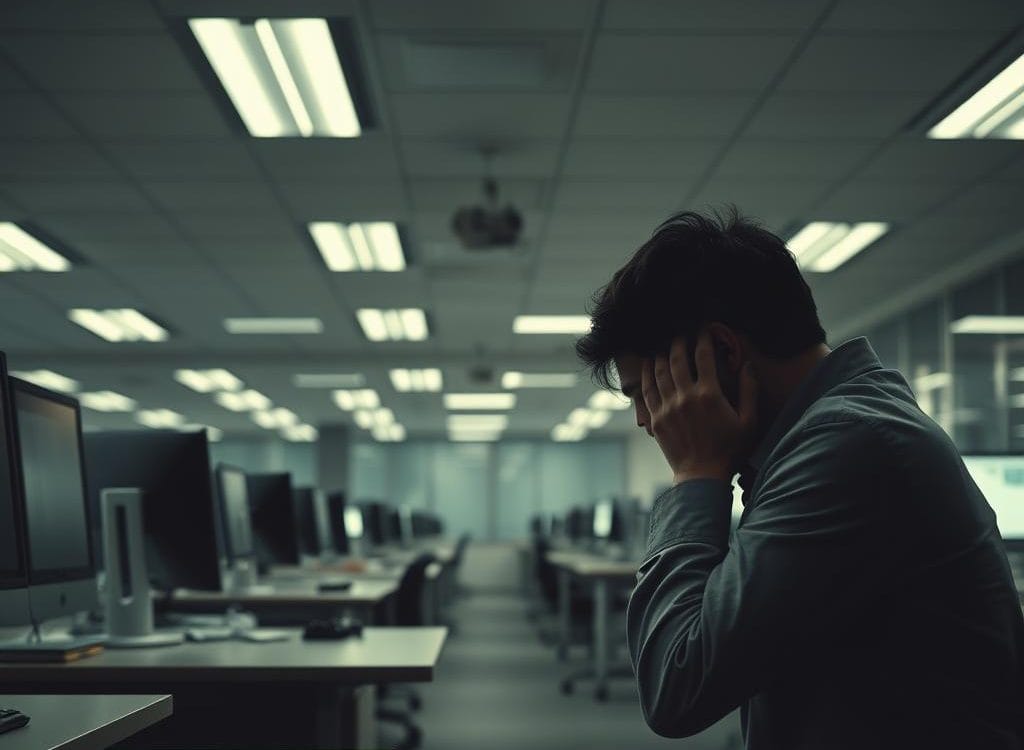
Is Work Burnout the New Normal?
Over 80% of employees might face burnout by 2024, a Mercer report warns. This alarming figure shows a growing Work Burnout Epidemic in the U.S. workplaces. More than half of workers say stress at work is harming them.
Let’s explore what burnout means for our lives. As work changes after the pandemic, we must ask: How can we keep our mental health safe? Burnout affects not just us but our families, communities, and work places too.
Key Takeaways
- The risk of burnout is rising, with projections indicating over 80% of employees affected in 2024.
- More than half of workers experience stress that impacts their daily lives.
- The pandemic has intensified workplace stress and its effects on employees.
- Burnout is no longer confined to specific roles, affecting individuals across various industries.
- High stress levels contribute to decreased productivity and increased workforce turnover.
- Protecting mental health is essential as burnout becomes a common workplace issue.
Understanding the Work Burnout Epidemic
Work burnout has become a big problem in recent years. About 80% of Americans see themselves as hardworking. This pressure to succeed often leads to bad outcomes. It’s important to understand the effects of this growing issue.
Current Statistics on Burnout
Burnout is a big concern in today’s fast-paced work world. Around the world, 85% of workers say their well-being has dropped. The World Health Organization (WHO) recognized burnout as an occupational phenomenon in 2019.
This stress causes about 2.8 million deaths each year due to overwork. These numbers show burnout is a big problem, not just a personal issue. It needs action from companies.
Defining Burnout: More than Just Exhaustion
Burnout is more than just feeling tired. The WHO says it’s caused by long-term work stress that isn’t handled. Wellness programs can help, but they’re not enough if companies don’t change their policies.
Jennifer Moss says we need to prevent burnout, not just fix it. Burnout is not just about personal strength. It’s about feeling engaged at work. Companies need to create supportive work environments.
Our culture, as studied by Max Weber, might also play a role. It can make us keep working hard, leading to burnout.
The Impact of Post-Pandemic Stress on Employees
In recent years, post-pandemic stress has deeply affected employees in many fields. The move to remote work has brought new challenges, leading to remote work burnout. I’ve seen how work environments are changing, forcing people to adapt in ways they never thought possible.

Increased Levels of Stress and Exhaustion
The pandemic’s end has brought more stress and exhaustion to employees. Many feel overwhelmed, affecting their emotional, mental, and physical health. For example, studies show healthcare workers have worse mental health now than before the pandemic.
This change shows how the COVID-19 crisis has made work stress worse, leading to burnout.
Changing Work Dynamics: Remote vs. In-Office
The change in work settings, from remote to in-office, is key to understanding post-pandemic stress. Remote work has benefits but can make work-life balance hard, leading to burnout. Employees often feel they must be always available, making them feel overworked and undervalued.
This new work setup needs new ways to tackle remote work burnout and stress.
Recognizing the Signs and Symptoms of Burnout
It’s important to know the signs of burnout to stay well. Burnout shows up in many ways, affecting our minds, bodies, and feelings. Spotting these signs early helps us manage our mental health better.
Mental, Physical, and Emotional Indicators
The mental health indicators of burnout include feeling very tired, doubting ourselves, and lacking motivation. We might wonder if our work is worth it and feel disconnected from others. Physical signs like constant tiredness, headaches, and trouble sleeping are also warning signs.
Emotional symptoms like being short-tempered, cynical, and hopeless can harm our relationships. If we ignore these signs, they can get worse, leading to serious mental health issues.
Assessment Tools for Identifying Burnout
Using burnout assessment tools helps us understand our mental health better. These tools, like questionnaires, check our symptoms and stress levels. They ask about our fatigue, trouble focusing, and feeling unfulfilled.
Many online platforms offer these assessments. They help us see how bad burnout is and guide us to get help.
Conclusion
Stopping work burnout is a team effort. It needs personal effort and support from work. To fight burnout, we must take care of ourselves. This means setting clear boundaries, staying active, and keeping in touch with friends.
Workplaces also have a big role. They should make wellness a priority and not accept burnout as normal. This helps everyone feel better and work better.
We should talk openly with our bosses about wellness options. We need policies that help us work well without hurting our mental health. Working together, we can find new ways to fight burnout and depression.
Using smart technology is also key. It helps us do less boring work and focus on what matters. With self-care, strong work support, and tech, we can build a work culture that cares about our well-being.

Leave a Reply
You must be logged in to post a comment.