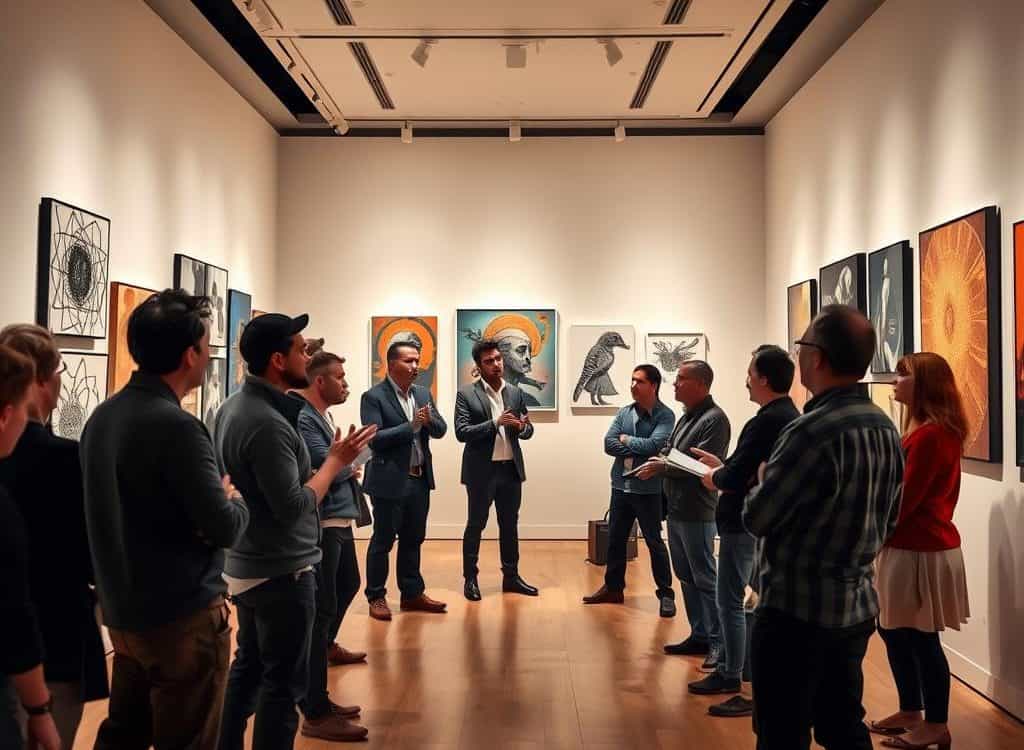
AI-Generated Art: Creativity or Copycat?
Did you know that over millions of images are made every day by AI art apps like Midjourney and DALL-E? This shows how fast AI art is growing. It also brings up big questions about creativity and copying.
As tech gets better, we wonder if AI art is truly creative or just copying humans. For example, “The Next Rembrandt” mixed the famous artist’s style into a new piece. Taryn Southern’s album “I Am AI” also shows how tech and art can blend.
This mix-up of tech and art is changing how we see creativity. But it also raises big questions about ethics and keeping art real. Let’s explore how AI is changing art, both good and bad.
Key Takeaways
- The rapid rise of AI art applications has led to millions of images being created daily.
- Projects like “The Next Rembrandt” showcase AI’s capability to push artistic boundaries.
- Collaboration between humans and AI, such as in Taryn Southern’s music, indicates the potential for unique creativity.
- Ethical concerns, including copyright issues, are increasingly relevant in the AI art debate.
- Many artists view AI tools as enhancements to their creative process.
Understanding the Basics of AI Art
Artificial intelligence is changing how we create art. It’s important to know what AI is and how it affects art. AI systems can do things that humans usually do, like learn and solve problems. They use special algorithms and lots of data to make new art, like pictures, music, and stories.
Definition of AI and its Role in Creative Processes
AI plays a big role in making art. It uses machine learning to look at lots of art and make new ones. This lets artists try out new ideas they might not have thought of before. AI’s ability to spot patterns helps create unique styles, leading to more kinds of art.
Technologies Behind AI Art Generation
Several technologies help make AI art possible. Artificial Neural Networks (ANNs) are great at finding patterns and making decisions like humans. Convolutional Neural Networks (ConvNets) help understand and interpret images. Generative Adversarial Networks (GANs) create new data that looks like existing art but is new.
These technologies power tools like DALL-E and Stable Diffusion. They let users make detailed graphics with just a few words.
The AI Art Debate: Creativity vs. Copycat
The AI art debate brings up many views on creativity and originality. As AI gets better, it makes us wonder if it’s truly creative or just a smart copycat. This topic is both interesting and complex, focusing on AI’s role in creating art.
Arguments for AI as a Creative Force
Many people believe AI is creative, making new and exciting things. For example, “The Next Rembrandt” shows AI can take old art and make something new. This can open up new ways of seeing art, making it fresh and interesting.
Counterarguments: Imitation Over Innovation
Others say AI art is just copying, not creating. It often uses old ideas, making it hard to find something new. AI can’t always understand complex ideas or feelings, leading to generic art.
This raises big questions about AI’s place in art. Does it make human art less valuable? Or does it bring something new to the table?
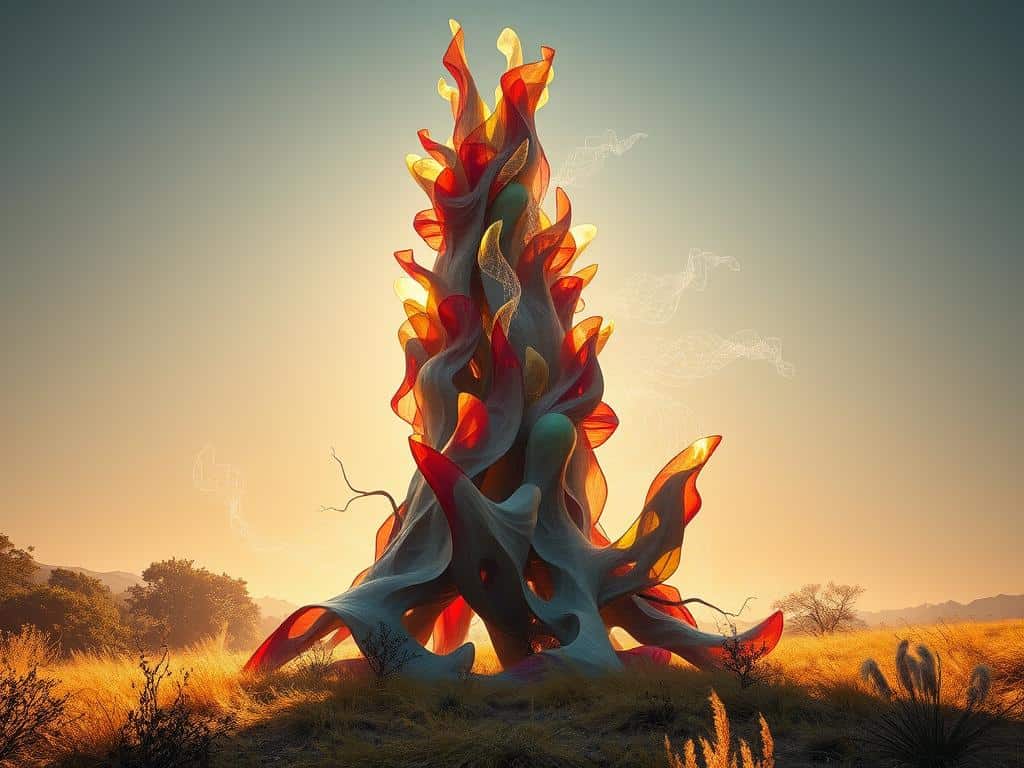
Ethical Implications of AI Art
The rise of AI in art brings up big ethical questions. These questions are about copyright, artist rights, and the ethics of technology. They change how creators work today. Many artists are worried about AI art that makes it hard to tell who created it.
Copyright Concerns and Artist Rights
Copyright issues with AI art are complex and debated. For example, DALL-E 2 uses datasets with existing artworks without permission. This raises big questions about who owns what in the AI world. It makes artists worry about their work being used without credit or pay.
OpenAI says it owns the AI images, but users own their prompts. This makes talking about who owns what even harder. Some artists have sued companies like Midjourney and Stable Diffusion for using their work without permission or pay.
The Role of Technology in Artistic Integrity
Technology ethics are key to understanding AI’s impact on art. AI art can show biases and stereotypes, which is a big problem. It also raises concerns about deepfakes and misinformation, which can harm people and society.
Projects like Nightshade at the University of Chicago show artists trying to protect their work. Nightshade “poisons” AI data to stop it from learning from certain artworks. This shows how artists are fighting back. As AI gets better, we need clear rules about its ethics and how it affects art.
Conclusion
We are at a turning point where art meets technology. AI has made it easier for more people to create art, without needing traditional skills. But, this ease of creation might lead to art losing its true value in a world filled with mass-produced pieces.
Setting clear rules for AI art is key as we move forward. Some say AI can make art that touches our hearts just like human art. Yet, AI art often misses the personal touch and unique flaws that make human art special. This lack of emotional depth questions the authenticity and cultural value of AI art.
To find a good balance, we need to value both AI’s role and human artists’ contributions. We could use open training datasets with consent and fair royalty systems. Buying human art and giving proper credit to AI art will help keep artistic value alive in a world where machines are making more.

Leave a Reply
You must be logged in to post a comment.