
Why Populist Leaders Keep Winning Elections
Did you know that the number of democracies worldwide has dropped from 96 in 2016 to 90 in 2022? This decline is a worrying sign for democracy’s future. Populist leaders like Nicolas Maduro, Donald Trump, and Jair Bolsonaro have learned to use elections to their advantage. They often use manipulation and propaganda to win power.
Their tactics not only increase political distrust but also create a divide. They claim to represent the “true people” against a corrupt elite. This section will look into why these leaders keep winning and what it means for democracy. We’ll explore the insights of experts like Cas Mudde on the rise of populism in Western politics.
Key Takeaways
- The decline in global democracies indicates a concerning trend of democratic backsliding.
- Prominent populist leaders utilize election manipulation to retain their power.
- The narrative of division plays a critical role in populist electoral strategies.
- Populism often leads to significant erosion of democratic institutions.
- Economic uncertainty and dissatisfaction are common themes in populist rhetoric.
Understanding Populism and Its Variants
To understand populism, we must first define it. It’s a political stance that pits the “us” of common people against the “them” of elites. Populism uses emotional appeals and simple answers to complex issues, creating a sense of urgency and division.
Definition and Characteristics of Populism
Populism has two sides: left and right. Bernie Sanders speaks to economic change, while Viktor Orbán focuses on cultural issues. It often highlights identity and economic gaps, growing stronger in times of crisis.
In 2009, economic troubles led to a rise in populist feelings. Youth unemployment in Europe became a big issue, making economic populism more appealing.
Cultural, Socio-Economic, and Anti-Establishment Populism
Populism comes in different flavors, each addressing different concerns. Cultural populism is about national identity and opposing new values. Socio-economic populism focuses on the working class versus the elite. Anti-establishment populism questions the old political ways, seeing parties as disconnected from people’s needs.
Understanding these types of populism helps us see why they appeal to many. Populist leaders tap into fears and hopes, making their messages urgent and necessary. This can lead to big changes in politics, as they win over voters.
The Rise of Populism Globally
Global populism has grown a lot, thanks to history and current trends. Big events have changed politics worldwide. Changes in economy, society, and culture have helped populist leaders grow.
Historical Context and Current Trends
Global populism started from people’s unhappiness and big changes. Globalization and automation hurt many workers, mainly white males. This led to more inequality and anger, which populist leaders use to their advantage.
Donald Trump’s win in 2016 shows how populism works. He lost the popular vote but won the presidency. This shows how the Electoral College helps populist candidates.
In Europe, Brexit was a big change. 52% of UK voters wanted to leave the EU. They wanted to take back their country’s power. This is not just in Western countries. In Latin America, populism grew because of corruption and crime.
Many people feel globalization has helped the rich but not the poor. This feeling is seen in the rise of autocracies in Hungary, Poland, and Brazil.
Countries with Notable Populist Leaders
Looking at countries with populist leaders shows how different this trend is. In Brazil, Jair Bolsonaro used economic anger. In Hungary, Viktor Orbán took more power, weakening democracy. These leaders win by using people’s fears and anger.
Studies show people now care more about social and cultural issues than just money. This shows a big change in what voters want.
Populism is not fading; it’s getting stronger. Cultural and economic problems keep making people turn to populist leaders. This shows populism is a complex and growing global trend.
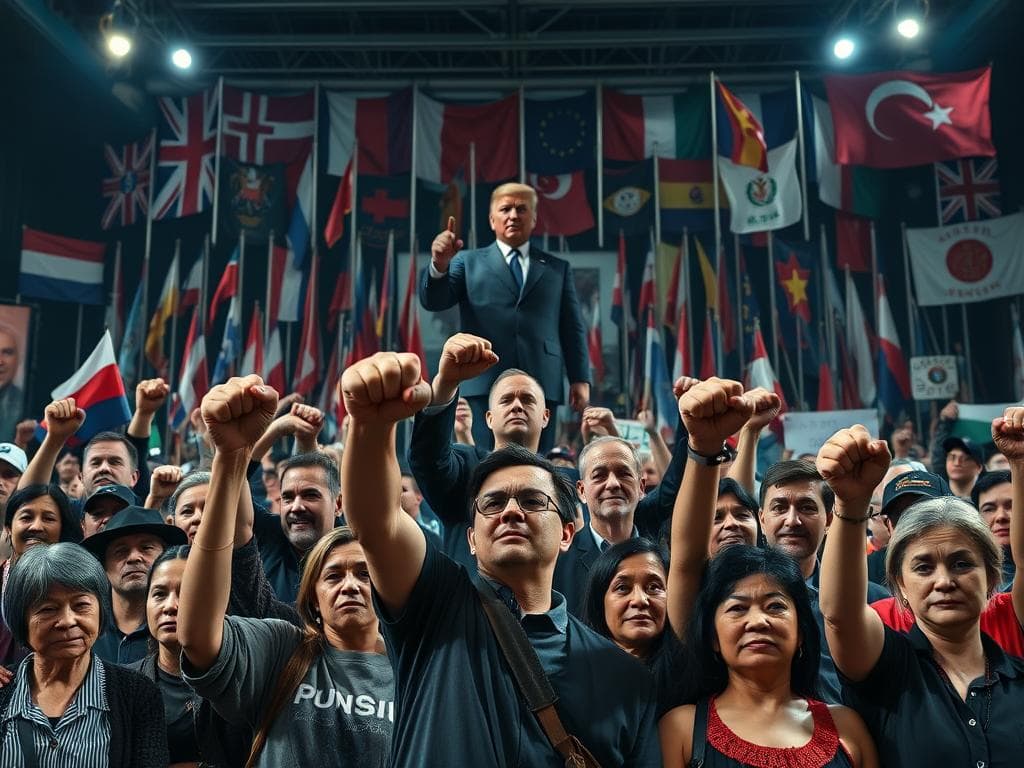
Key Factors Driving the Success of Populist Leaders
To understand why populist leaders succeed, we must look at several key factors. Economic troubles, cultural shifts, and distrust in politics all help these leaders grow in power.
Economic Instabilities and Inequality
The loss of jobs in industries like manufacturing in the 2010s pushed people away from traditional parties. Many workers felt left behind by the Democratic Party and turned to Donald Trump. Economic worries and low wages are big reasons for populism, often blaming global markets and immigration.
As the rich get richer, the poor face harder times, making inequality worse. Automation and AI make jobs even scarcer, leading voters to seek new leaders.
Cultural Changes and Shifting Value Systems
Cultural shifts are key in why people support populists. There’s a big gap between “Anywheres” and “Somewheres,” showing a deep societal split. Populist leaders tap into fears about immigration and changes in social services and norms, hitting a chord in Europe and the U.S.
Opposition to political correctness also draws people who feel left out by changing values. This shows how populism taps into feelings of cultural loss and identity crisis.
Political Discontent and Distrust in Government
Today, many people don’t trust government or politics. Big changes in voting patterns, like fewer Black voters for Democrats, show growing discontent. Political failures to address real fears and concerns add to this distrust.
As trust in politics fades, more people look to populist leaders for change. This distrust is a major reason for populism—it’s a loss of faith in old parties and institutions.
Conclusion
This article has shown us the complex rise of populism in global politics. Populist leaders’ wins have changed how we see politics and democracy. It’s important to tackle the reasons behind populism to rebuild trust in government and ensure fair political participation.
The effects of populism are clear and worrying. The drop in trust for institutions, like Congress, is a big concern. It shows the danger of authoritarianism to our democracy.
Looking ahead, we must see populism’s impact as a global issue, not just local. By studying past populist movements, we can find ways to fight its negative effects. It’s our duty to deal with these challenges and keep democracy alive for future generations.

Leave a Reply
You must be logged in to post a comment.