How Modern Families Are Redefining Parenthood
Did you know that fewer Americans live with a spouse and kids today? In 1970, 67% of those aged 25 to 49 did. Now, it’s just 37%. This shows a big change in how we see families.
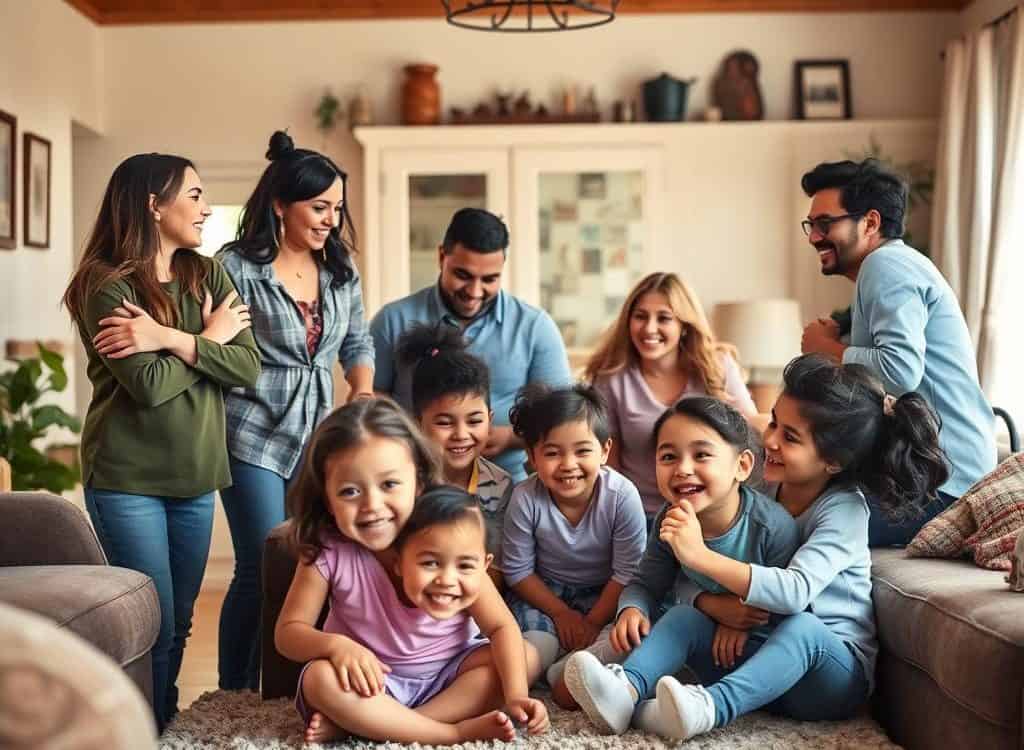
Now, families come in many forms. This includes blended families, single parents, and adoptive families. The idea of family is changing because of cultural shifts and new roles for men and women.
Today, we see families in many ways. This includes same-sex couples and grandparents raising kids. After same-sex marriage became legal in 2015, over 700,000 couples started their parenting journey. Modern dads are taking on more roles in raising kids, changing family life for everyone.
This era is changing how we see families and parenting. It shows that being a parent can mean many different things. Our families today are diverse, making parenting richer and more varied.
Key Takeaways
- The traditional family structure is declining, with less than 40% of households fitting the classic model.
- Alternative living arrangements, such as single-parent homes and blended families, are on the rise.
- Same-sex marriage has introduced new family dynamics with hundreds of thousands of couples raising children.
- Modern dads are actively redefining their roles within the family, creating new parenting norms.
- Friends and grandparents play vital roles in providing emotional support and stability for children.
- Educational attainment and racial diversity significantly influence family structures today.
The Shift in American Family Structures
In recent years, America has seen big changes in family structures. The old idea of a family with a married couple and kids is fading. New views on marriage and parenthood have led to more diverse family types.
Decline of the Traditional Family Model
Today, only 48% of kids live with both parents, down from 73% in 1970. This drop is due to many reasons, like more divorces. Now, 40% of marriages end in divorce, making more blended families.
Also, 28% of kids live with a single parent, up from 12% in 1970. This shows society is okay with unmarried parents, changing how we see raising kids.
Rise of Diverse Family Forms
New family types are becoming more common in America. In 1960, there were less than half a million cohabiting couples. By the 2000 census, that number jumped to about 4.9 million.
Also, same-sex marriages have opened up family structures. About 114,000 same-sex couples are raising kids now. These changes show a big shift away from old family roles.
Family Dynamics Shift: Embracing New Roles
The way fatherhood is viewed is changing. More dads are now actively involved in raising their kids. This change is not just about dads being more involved. It’s also about how families work together in new ways.
As dads focus on emotional connections, they help create new roles in families. These roles show the variety of parenting styles we see today.
The Evolution of Fatherhood
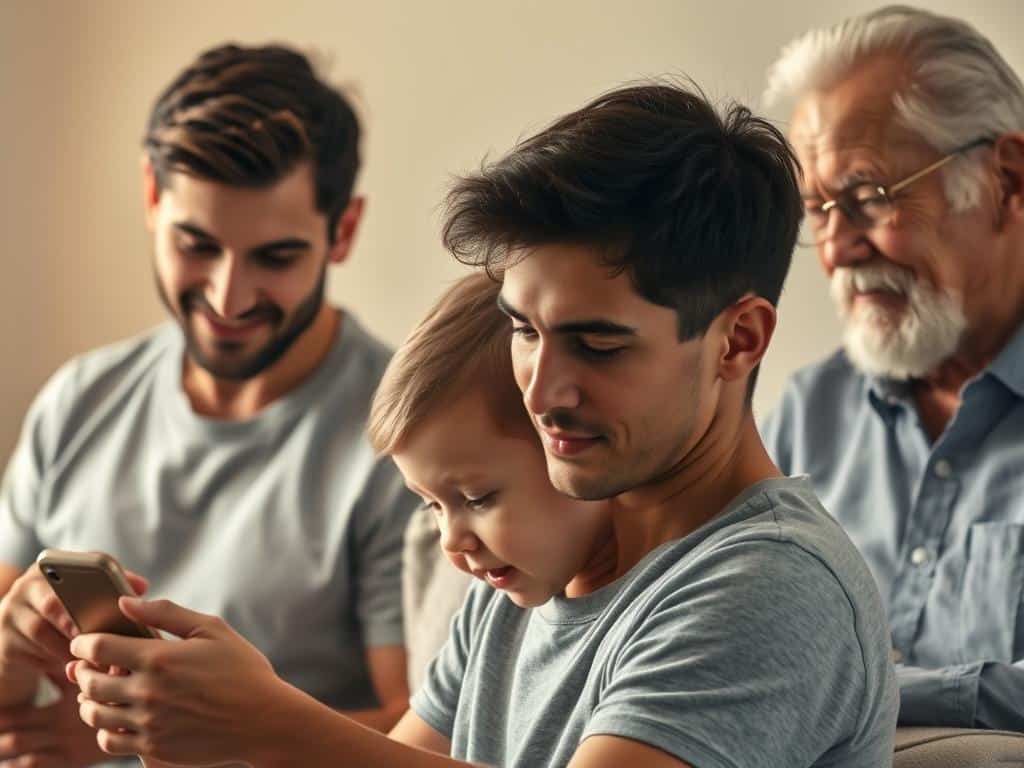
Today’s dads are stepping up in new ways. They’re not just providers anymore. They’re attending prenatal classes, helping out at school, and taking on other roles that used to be just for moms.
This change helps dads build stronger bonds with their kids. It also lets them grow as parents in important ways.
The Impact of Diverse Family Structures
As families change, so do the roles dads play. Different parenting styles focus on teamwork and respect. When dads are involved, they help create a supportive environment that values feelings.
This shows that what’s most important in families isn’t the family structure. It’s the quality of the relationships within it.
Changing Perspectives on Parenthood
As I explore the changing world of parenting, I see how emotional bonds are key. These bonds are vital for strong family ties. They help parents and kids understand each other better.
This deep connection makes family life richer. It also helps us grasp each other’s needs. Being more present in our daily lives strengthens these bonds.
The Importance of Emotional Connection
Today, families are becoming more equal and empathetic. This change shows how important it is to be in tune with each other. By being mindful, we find joy in simple moments.
This approach lowers stress and deepens our bond. We learn about each other’s feelings and likes through shared experiences.
Co-Parenting and Shared Responsibilities
Co-parenting is evolving, with more parents sharing duties. This teamwork benefits our family and creates a stable home for our kids. It teaches them about working together and understanding others.
This shift, driven by legal and policy changes, promotes fairness in parenting. It strengthens our emotional connection as a family.
Conclusion
Looking at the changing world of parenthood, it’s clear that families today come in many shapes. We see single parents, same-sex couples, and even polyamorous families. This shows a big change from the old ways, where family was just about parents and kids.
Today, society is accepting more kinds of families. This means we value love and commitment over who is in the family. It’s all about how we care for each other, not just who we are.
As we move forward, it’s key to support each other in these new family setups. We need to talk openly, help each other out, and share duties. This way, families can do well, even with the ups and downs of life today.
The choices we make now will shape the future of families. By understanding and valuing these new family forms, we can build a society that’s more open and accepting. This will help us appreciate the diversity of parenting styles and create a world that celebrates all kinds of families.

Leave a Reply
You must be logged in to post a comment.