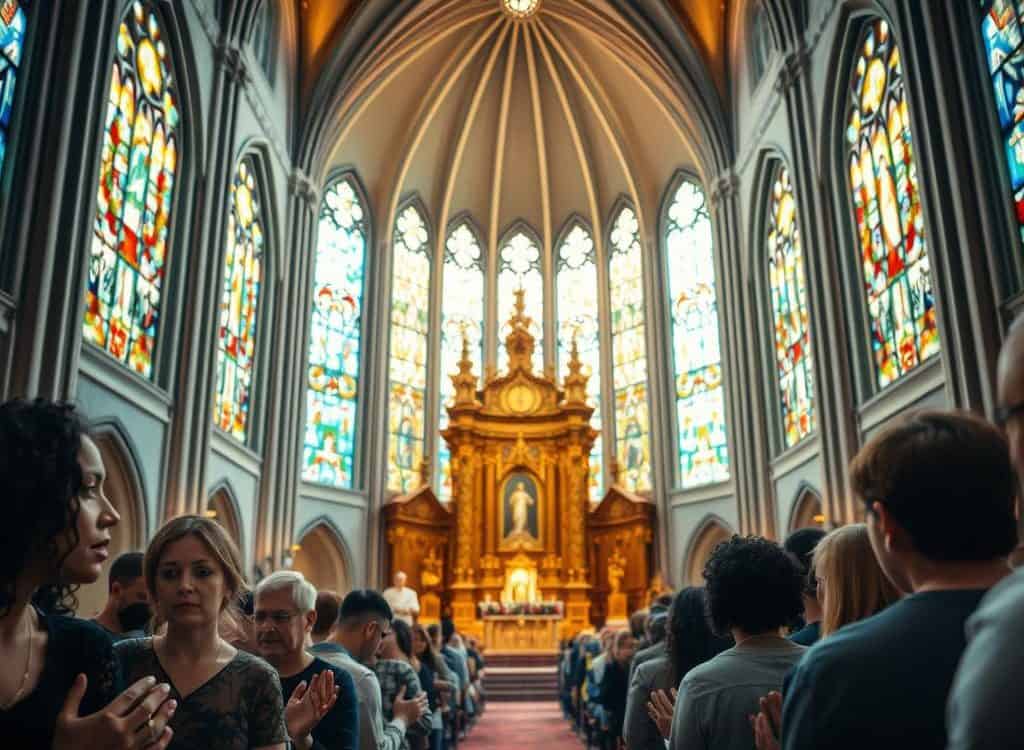
Is Religion Dying? The Truth About Faith Today
In a striking shift, the percentage of Americans with no religious affiliation—known as ‘nones’—has skyrocketed from 16% in 2007 to a staggering 30% by 2020. This shows a big change in beliefs across the nation. It raises big questions about the future of organized religion in the United States and if faith is declining.
Is this trend showing a move towards spirituality or a rejection of traditional religious frameworks? Throughout this article, I will explore these changing beliefs. I will look at insights from notable studies and surveys that show how the landscape of religion in modern life is changing.
The rise of the ‘nones’ suggests that while organized religion may be fading, people are looking for spirituality in new ways. By looking into these changes, I hope to understand the complexities of faith today.
As we discuss this, I invite you to think about what organized religion means today. How do we see spirituality now? And what do these changes mean for our future together?
Key Takeaways
- The percentage of ‘nones’ in America rose from 16% in 2007 to 30% by 2020.
- Church membership has decreased significantly, dropping from 70% in 2000 to 47% in 2020.
- Evangelical affiliation has plateaued, showing only a small decline over several decades.
- Public perception indicates that 80% of U.S. adults believe religion’s role in American life is shrinking.
- Understanding these trends helps reveal wider societal shifts towards spirituality instead of just organized faith.
- The desire for spiritual fulfillment remains, despite the decline in formal religious affiliation.
Analyzing the Decline of Organized Religion in America
The way people view organized religion in America is changing. More people are saying they don’t belong to any religion. This change is seen in many groups, but it’s most noticeable among the young.
The Changing Landscape of American Beliefs
Recent numbers show a big drop in people identifying as Christian. From 2007 to 2023, the number fell from 78% to 62%. This shows a big shift towards people not being part of any religion.
Younger people are leading this change. Only 46% of adults aged 18-24 call themselves Christian. This is compared to 80% of those 74 and older. This big difference shows how beliefs change with age.
Emphasis on ‘Nones’ in Religion Statistics
The “nones” are a key group to watch in this change. The number of people without a religion has grown from 16% in 2007 to 29% in 2023. This rise is linked to changes in prayer, religious service attendance, and views on religion’s role.
Even though 44% of Americans pray every day, going to religious services has stayed the same at about 33%. This change makes us think about how beliefs are evolving. More people are exploring non-Christian religions and questioning faith’s place in society.
Religion in Modern Life: Spirituality vs. Organized Faith
Today, the way we view organized faith and spirituality has changed a lot. Many people are now drawn to modern spirituality. This is because it focuses on personal experiences and self-discovery, not just traditional religious practices.
This change shows a bigger shift in society. Spiritual beliefs are becoming more personal. This lets people connect deeply with the divine, without being tied to organized religion. Spirituality offers a flexible way to understand our place in the world.
Understanding Spirituality in Contemporary Society
A “New Spirituality” has emerged, moving away from traditional faith. It combines spiritual and philosophical ideas, focusing on the divine within us. The Temple of Humankind is a great example of a place for contemplation, not just prayer.
This movement is changing society in many ways. It’s influencing language, gender roles, and even marriage. Spirituality today is about creating a new, inclusive way of understanding the world.
The Impact of the COVID-19 Pandemic
The pandemic has changed how we practice spirituality. While churches closed, people used technology to stay connected. This has led to a mix of modern spirituality and personal rituals.
Technology has become a tool for self-reflection and guidance. It lets people explore their spiritual beliefs freely. The pandemic may have made people want a more genuine spiritual experience, one that fits their personal needs.
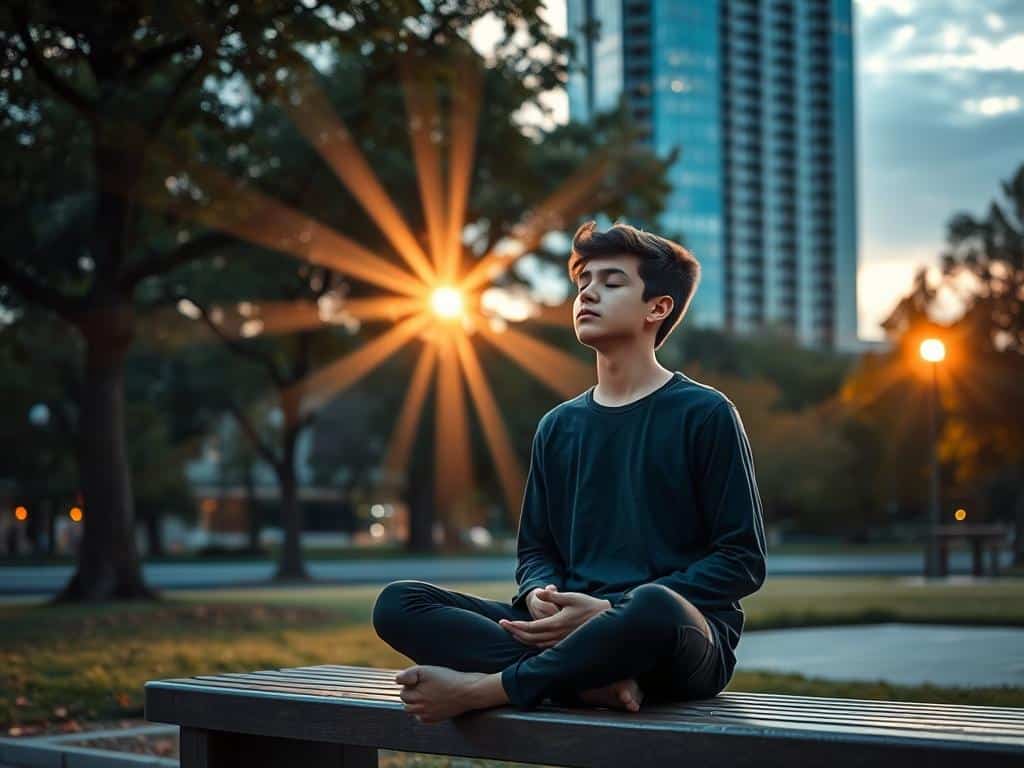
Conclusion
Looking into the future of religion, we see a big change in how people connect with faith. The drop in organized faith shows a big shift in beliefs. This shift brings both challenges and chances for religious groups.
Even with this change, over 30% of U.S. adults are very religious. They pray and help their communities a lot. This shows a strong base for new spiritual movements.
The growth in spiritual practices like meditation and volunteering shows a shift away from old ways. Yet, these practices meet deep personal needs. With 78% of Americans praying weekly, it’s clear that the search for meaning and connection goes on.
This shows that belief systems are strong and that society is changing in ways that affect mental health and community support.
The mix of old faith and new spiritual trends points to a big change in the U.S. religious scene. Thinking about these changes, it’s clear that for faith groups to grow, they need to change with the times. They must meet the spiritual needs of more people.
This new path may not look like the old ways, but it could bring faith back to life. It could help us understand faith in our lives better.

Leave a Reply
You must be logged in to post a comment.