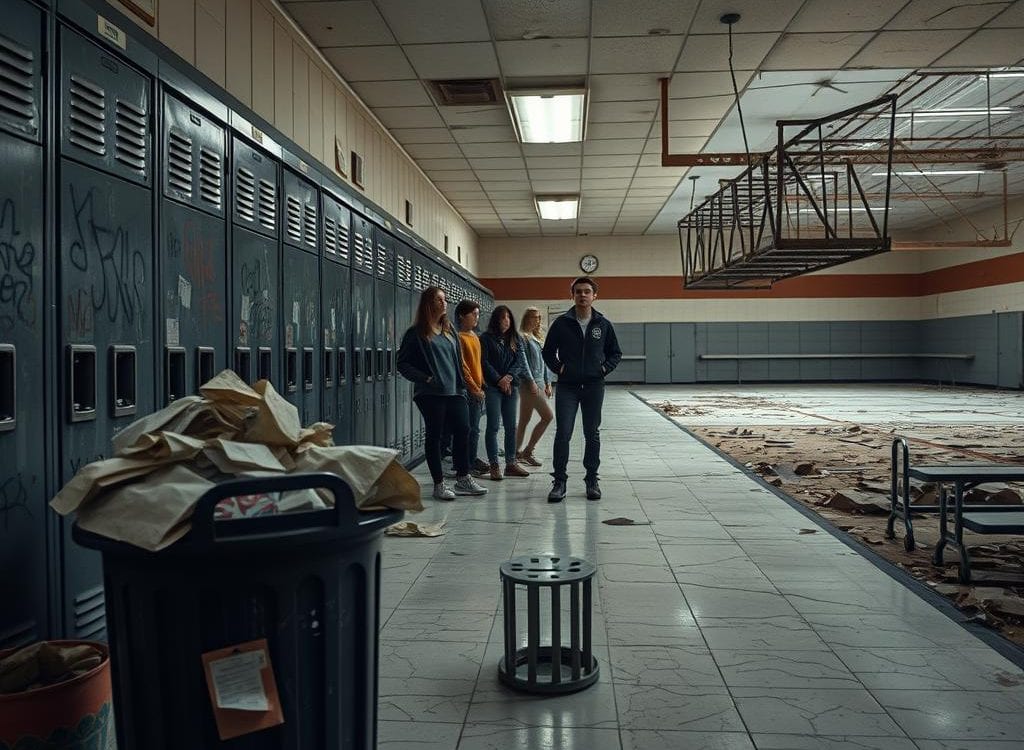
Is the Education System Failing Our Kids?
Did you know that math and reading scores for 13-year-olds have hit their lowest levels in decades? This shows a big problem in our education system that we can’t ignore anymore. Even with nearly $200 billion in extra federal money for K–12 schools, students are doing worse than a decade ago. The situation is even more worrying for lower-performing students, who can’t do math as well as they could thirty-five years ago.
This crisis in education is not just about money or resources. It’s a deep problem that needs urgent attention and a fresh look.
As I look into these issues, I wonder if reforms like charter schools and more tests really help our kids. Many schools focus more on following rules and discipline than on encouraging creativity and curiosity. This old way of teaching doesn’t fit today’s educational needs. It’s a system made for the Industrial Revolution, not for today’s students.
The results are clear: our kids’ education is suffering. Without big changes, we’ll keep seeing these problems in education.
Key Takeaways
- Math and reading scores for 13-year-olds are at their lowest in decades.
- Despite extensive federal funding, performance has not improved over the past decade.
- Lower-performing students today are less proficient in math than they were 35 years ago.
- $30 billion per year is spent on educational technology with little to no positive outcomes.
- The education system lacks modernized teaching methods and individualized learning.
- High dropout rates are linked to zero-tolerance policies, as noted by the APA.
- Countries like Finland showcase the benefits of flexible, student-centered education systems.
Understanding the Current State of School System Issues
The education system is facing big problems. These issues affect how well students learn and grow. We see a drop in grades, more mental health issues, and not enough teachers.
Declining Academic Performance
Students’ grades are going down. Class sizes are too big, making it hard for teachers to help each student. This can hurt students who need extra help.
Many students focus on getting good grades instead of really learning. They’re forced to memorize facts instead of thinking critically. This has led to a lot of lost learning in math and reading.
Rising Mental Health Concerns
Students’ mental health is getting worse. The stress of school and life outside can cause anxiety and depression. This is true for many students, but some groups are hit harder.
Students might feel scared to try new things because of fear of failure. This can make them even more stressed and unhappy.
Teacher Shortages Impacting Quality
There aren’t enough good teachers. Teachers are overwhelmed by too much work and high expectations. This makes teaching less effective and hurts students’ chances of doing well.
Without enough teachers, students and teachers both suffer. This makes it harder for schools to do their job well.
Key Factors Contributing to the Failings of Our Education System
Our education system faces several major challenges. These include outdated teaching methods, a gap between what’s taught and real-world skills, and deep inequalities. These issues affect how well students learn and succeed.
Outdated Teaching Methods
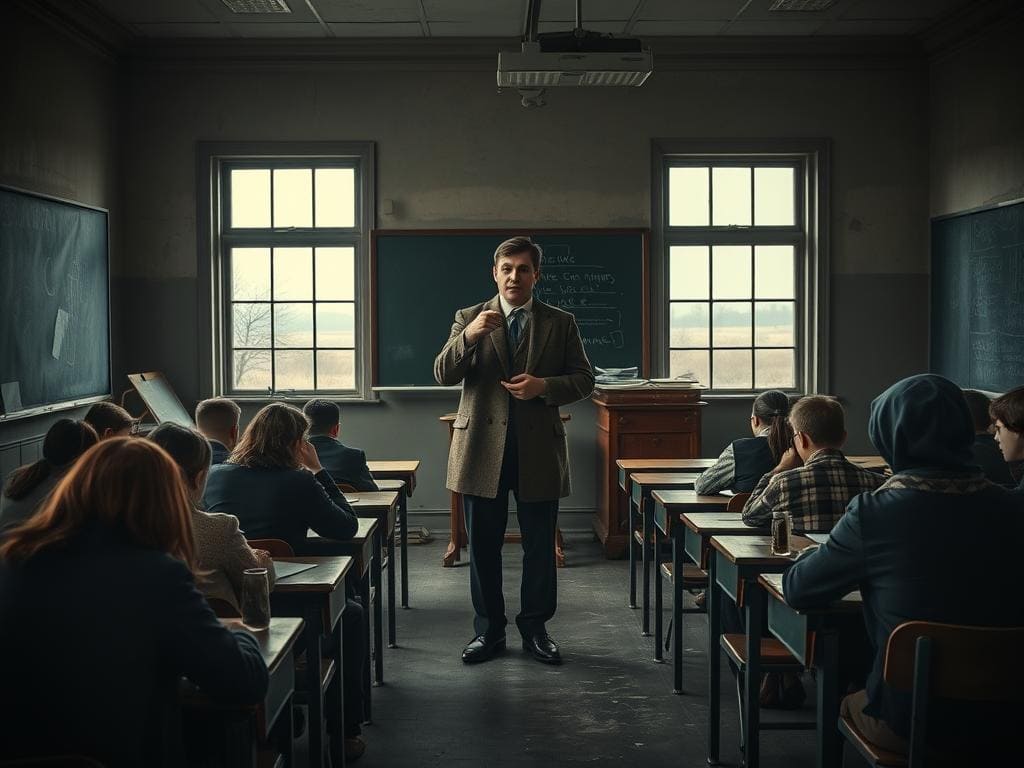
Old teaching methods block effective learning. Many classrooms focus on memorization, not critical thinking or problem-solving. This makes students feel unready for today’s world.
Teachers are asked to cover big gaps in subjects like reading and math. They often lack the resources or support to do this. This is a huge challenge for them.
Disconnection Between Curriculum and Real-World Skills
There’s a big gap between school lessons and what employers want. Many curricula don’t teach practical skills. This leaves students without the skills needed for jobs.
Parents are unhappy with the education system. They look for better options that engage and teach well. In a fast-changing job market, not teaching real-world skills can be very disappointing.
Structural Inequalities in Education
Education quality varies greatly between communities. Schools funded by local property taxes lead to big differences. Poorly funded areas can’t afford basic resources.
This creates big gaps in education, hurting groups like Black students and those with special needs. Parents don’t always know how budgets are spent. This can make them lose trust in schools.
Big class sizes and not enough qualified teachers make things worse. This leads to low graduation rates and poor test scores.
Conclusion
The education system is facing big challenges that are hurting our kids. Taxpayers spend about $200 billion on schools during the COVID-19 pandemic. They also spend $60 billion every year. Yet, our students are not doing well.
Seventy percent of 8th graders can’t read well, and 72 percent struggle in math. These numbers show we need to change education fast. We can’t ignore this problem anymore.
We need a new way to teach that focuses on each student’s needs. We should use modern methods and real-world examples. It’s sad that schools in poor areas get less money than rich ones.
But, places like Massachusetts and New Jersey have made progress. They’ve narrowed the gap in student achievement by changing how they spend money. This shows that we can do better.
We must act quickly to fix our education system. I dream of a system that helps our kids grow, not holds them back. We need to make sure every student gets a good education, no matter where they come from.
By supporting fair funding and programs like Title I, we can make a difference. We should also value different ways of learning. Together, we can build a better future for our kids.

Leave a Reply
You must be logged in to post a comment.