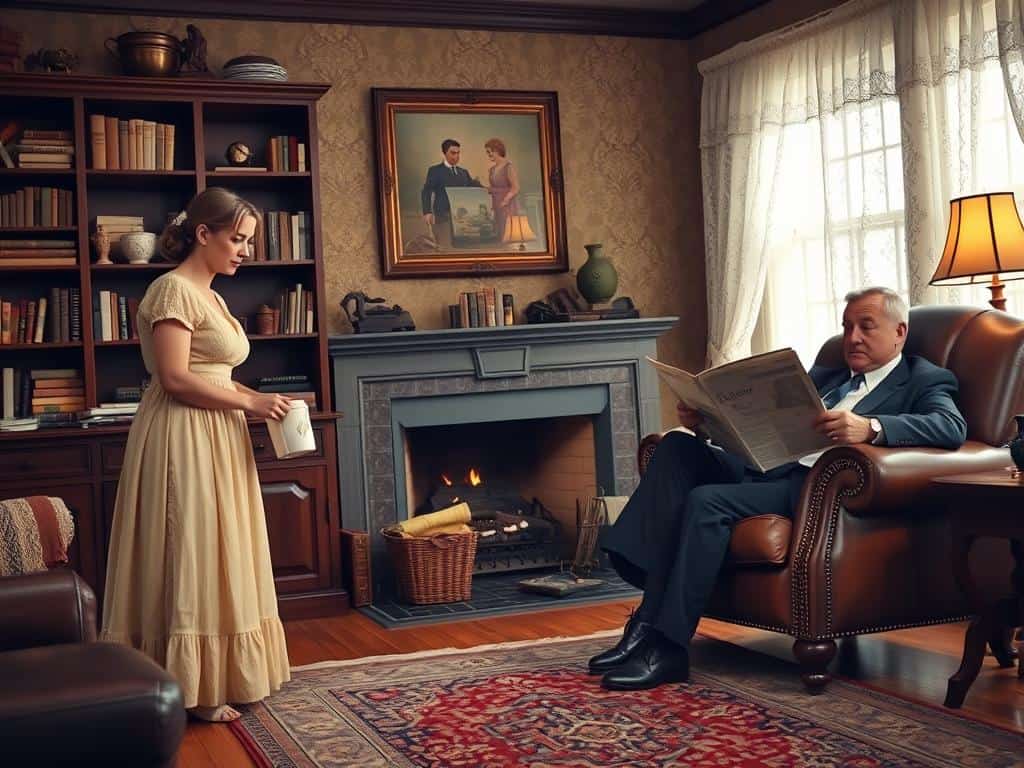
Are Traditional Gender Roles Completely Dead?
The World Health Organization found that 38% of femicides are done by intimate male partners. This shows how deep traditional gender roles are in our society. For years, men were seen as the ones who earned money and made decisions. Women were often expected to take care of the home and family.
I remember my mom and I serving meals to the men in our household. This was because of the gender expectations we grew up with. Even though we’ve made progress towards equality, these old norms are hard to shake. They affect how we see roles in families today.
It makes us wonder if these old roles are really gone or just changing in our modern world.
Key Takeaways
- Traditional gender roles have historically shaped family dynamics and societal expectations.
- Recent statistics highlight the alarming consequences of ingrained gender expectations, specially regarding violence against women.
- Modern families are increasingly challenging traditional norms in pursuit of gender equality.
- The impact of feminism has initiated a shift in perceptions about gender roles.
- Evidence suggests that traditional roles can affect mental health and well-being differently across various demographics.
- The digital age and media portrayals continue to reinforce or challenge these enduring stereotypes.
The Evolution of Gender Roles Over Time
Looking into how gender roles have changed shows a complex path. For centuries, society set clear roles for men and women. Men were seen as providers, while women took care of the home. This history helps us see how far we’ve come in achieving gender equality.
The Historical Context of Gender Roles
In many cultures, gender roles were strict and shaped personal and societal structures. Evolutionary psychology suggests these roles came from biology. Men fought for resources, and women looked for stable partners for their kids. Yet, these roles have evolved, leading to big steps forward in gender equality.
Key Milestones in Gender Role Changes
The feminist movement brought about key changes in gender norms. It fought for women’s rights and challenged old expectations. For example, more women now earn as much as or more than their husbands. Today, 29% of marriages have roughly equal earnings, and 16% have women as the main earners.
But, old societal expectations can create new problems. Women often do most of the household work, even if they earn more. This shows how historical gender roles affect today’s relationships. Understanding these issues helps us see how gender norms have evolved and their effects on our lives.
Gender Roles Today
In today’s world, gender roles are changing a lot. Men are now helping with childcare and household chores, which challenges old ideas of masculinity. Women are also entering fields like engineering and medicine, once seen as men’s domains. This shows that gender expectations are becoming more flexible, allowing both men and women to share duties.
Current Trends in Gender Expectations
Hyper-femininity and hyper-masculinity are pushing harmful stereotypes, making it hard for people to be themselves. Girls might feel held back from STEM careers, while boys face stigma for wanting to care for others. These pressures can lead to mental health issues like anxiety or depression, making it tough to find one’s true identity.
Discussing modern gender roles shows that breaking free from stereotypes can lead to a healthier life. It allows us to be true to ourselves without societal pressure.
The Impact of Technology and Social Media
Technology is playing a big role in changing gender roles. Apps like Tinder and Bumble are changing dating, making it faster and more complex. They help people connect in ways we never saw before, changing our views on relationships.
Social media also plays a big part, showing different views of masculinity and femininity. It helps reflect changing values and shows how technology and social media shape our views on gender roles.

The Effects of the Pandemic on Gender Roles
The COVID-19 pandemic changed family life a lot, mainly in who does household chores. Many women took on more work at home. With schools closed, working moms had to juggle remote jobs and family duties.
This showed how women are often expected to handle family tasks, even when it’s hard.
Increased Domestic Burdens on Women
The pandemic led to more job losses for women, earning them the term “she-cession.” Even though men helped more with household tasks, women did most of the childcare and housework. This made old inequalities worse, showing that women are often seen as the main caregivers.
Women faced more financial and emotional stress, making it hard to balance work and family life.
Changing Work Dynamics in Modern Families
As families worked from home, household roles changed. Flexible work and support for dads on leave became key for fairness. The pandemic made people rethink family roles, aiming for a future where everyone helps with childcare.
Conclusion
Looking at gender roles today, we see they’re changing. Traditional roles are not gone, but they’re evolving. This change is seen in how we view color, clothing, and what it means to be male or female.
History shows us gender roles have changed a lot. This has been influenced by culture, technology, and big events like the pandemic.
The future of gender equality looks promising. Education and media are key in changing old norms. They help show the diversity of gender and train women leaders.
These steps can make our world more inclusive. They help break down barriers, like in STEM fields.
My thoughts on gender roles show us we must keep evolving. We need to redefine roles and expectations. This way, we can build a world based on respect and teamwork.
By doing this, we move closer to true gender equality. This progress benefits everyone, making our journey together more meaningful.

Leave a Reply
You must be logged in to post a comment.