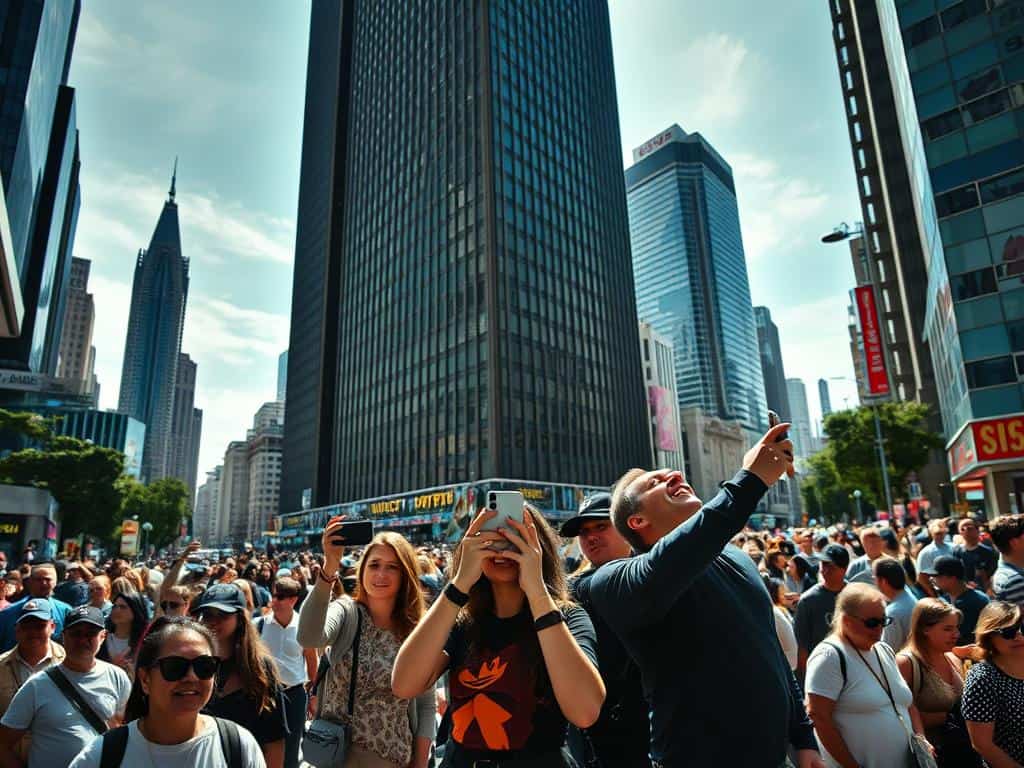
Are Social Media Influencers Ruining Society?
Did you know 89% of TikTok Shop users have bought cosmetic products after browsing? This shows how much power social media influencers have over their followers. They shape what we buy and how we see the world. But, what’s hidden is the harm they can cause.
Influencers use TikTok to show us perfect lives. They make us want things we can’t have. This can make many people feel bad about themselves.
I think it’s important to look at how influencers change our views online. They show us beauty that’s not real, making many young people feel anxious or depressed. This talk will show how influencers affect our self-worth and what we value in society.
Key Takeaways
- Influencer culture significantly influences unrealistic beauty standards.
- Young audiences often emulate the lifestyles presented by influencers, impacting their self-image.
- The commercialization of personal experiences can diminish genuine relationships.
- Platforms like TikTok amplify materialism and consumer behavior among youth.
- Misinformation spread by influencers can erode critical thinking skills.
- Consumer trust is compromised due to misleading advertisements from influencers.
The Rise of Influencer Culture
Social media influencers have changed how we communicate. They use Instagram and TikTok to share their lives, becoming online celebrities. This new way of connecting has reshaped our social norms and expectations.
Definition and Scope
Social media influencers are famous for their engaging content. They have small or large followings. Brands team up with them because it works better than ads.
These influencers make us feel connected, which boosts sales. They are key in shaping what we buy.
Impact on Communication
Our conversations have become more about trends than real talk. Influencers create echo chambers, making it hard to see different views. It’s important to think critically about what we see online.
People trust online reviews and advice more than ever. David Yovanno, CEO of impact.com, says brands are moving to influencer partnerships. This shows a big shift in how we consume media.
Unattainable Standards and Mental Health
Social media has changed how we see beauty and lifestyle. Influencers share perfect, edited pictures that set high beauty standards. This affects mental health, mainly in young people.
Seeing idealized images can make people feel bad about their bodies. It can cause low self-esteem and anxiety.
Beauty and Lifestyle Expectations
Over 40% of teens feel worse about their bodies after using social media. Instagram and Snapchat show edited pictures that are hard to reach. This is called “Snapchat dysmorphia.”
People want to look like their filtered selves. Social media makes us compare ourselves to others. This can lead to serious mental health problems.
Anxiety and Depression Among Followers
Teens who don’t like their bodies are twice as likely to think about suicide. Social media’s algorithms make these ideals seem real. This creates a cycle of anxiety and depression.
Seeing bodies as objects can make people feel bad about themselves. Studies show less social media use can help with body image. It’s important to understand how social media affects mental health.
The Dark Side of Influencer Culture
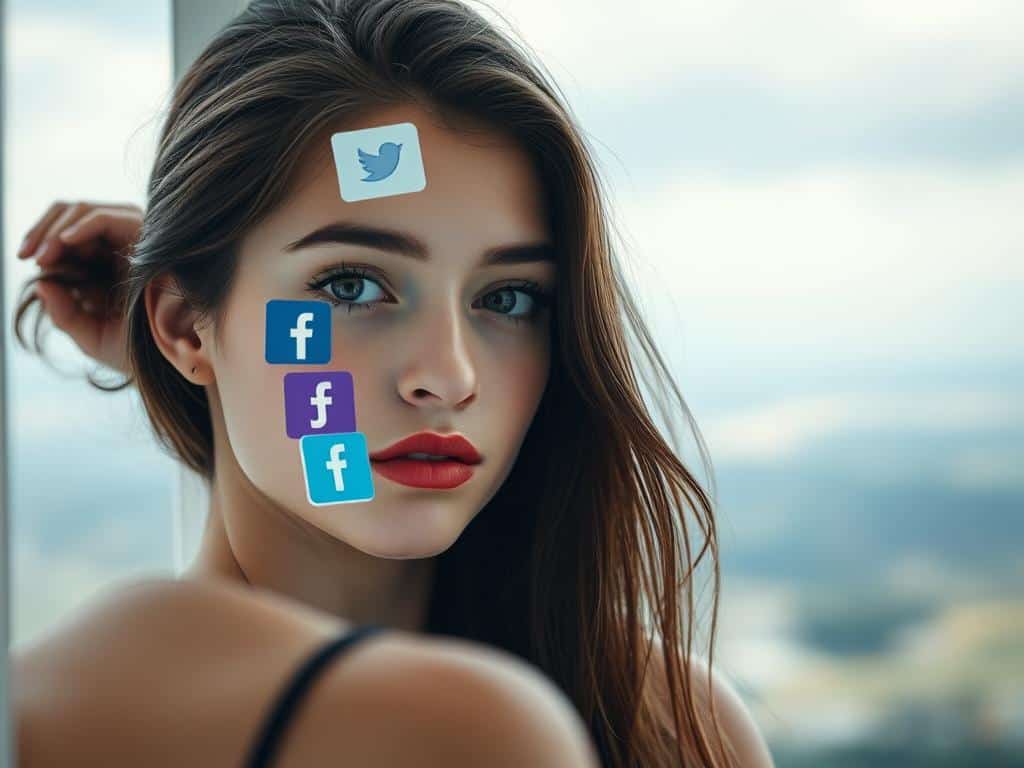
Influencer culture has a shadowy side. It’s about making money off personal moments on social media. This turns real life into content for profit. It can mess up real connections and make people share fake stories for likes.
Commercialization of Personal Experiences
The influencer world is set to hit $480 billion by 2027. This growth means influencers are making money by promoting brands. But, it’s hard to tell what’s real and what’s just for money.
Many influencers push products that aren’t good for you, like diet pills. They don’t always tell you they’re getting paid. This can lead to bad habits and unrealistic beauty standards.
Misinformation and Consumer Trust
Misinformation is a big problem in this world. A survey found 60% of people trust what influencers say. Almost half of them buy things because of these endorsements.
But, some influencers don’t tell you they’re getting paid. They might even sell fake stuff. This makes people doubt what they see online.
Younger people, like Gen Alpha, are getting into this world too. They might see bad beauty trends. Illinois is trying to protect child influencers. It’s important for everyone to know what’s going on in this world.
Conclusion
Influencer culture has a big impact on society. It mixes media, commerce, and personal relationships in new ways. Platforms like Instagram, YouTube, and TikTok change how we watch and interact with media.
They blend entertainment with ads, changing how we shop and think. Influencers can raise awareness and support causes. But, they also show unrealistic lives that can harm mental health.
Critics say this culture lacks realness. The need to look perfect can lead to anxiety and depression. This is true for influencers and their fans.
This situation is complex. Influencer culture can grow and teach us, but it also raises big questions. The use of fake followers and faked likes makes things even harder.
We need real stories online that care about our mental health. By showing different views and beauty, we can fight the bad sides of influencer culture. We should all want real and meaningful online experiences.
This will help shape social media’s future. It will teach influencers and their followers to be more aware and critical online.

Leave a Reply
You must be logged in to post a comment.