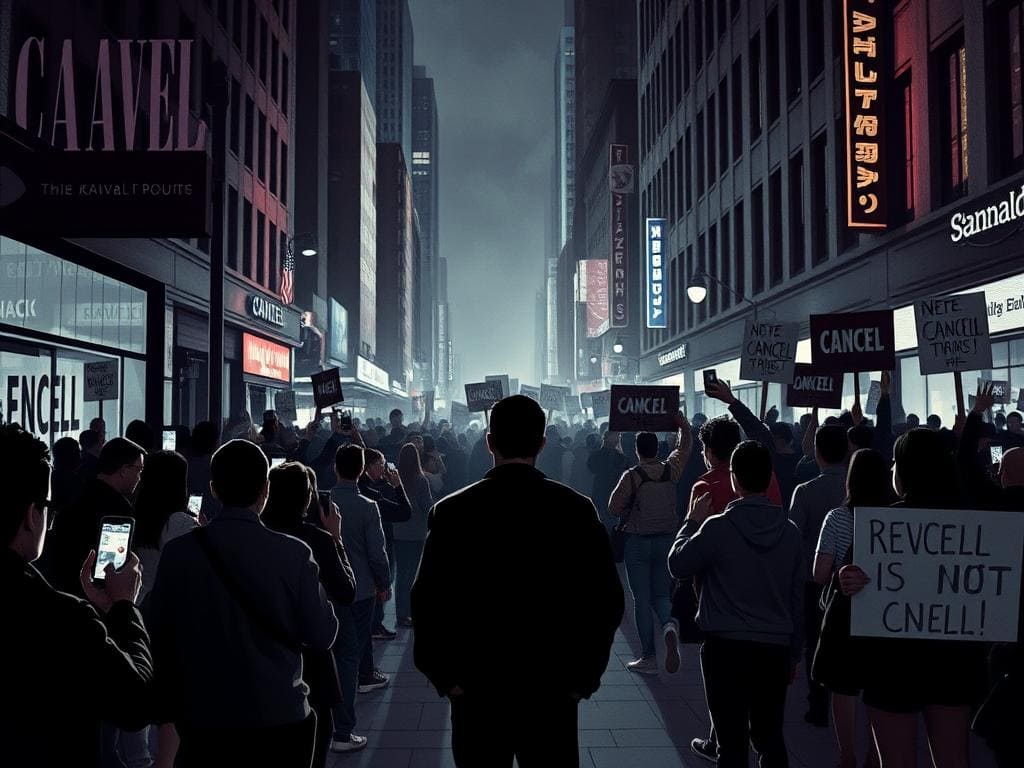
Cancel Culture: Justice or Just a Digital Witch Hunt?
Did you know 60% of Americans think cancel culture is bad for society? This fact shows how deep the debate about cancel culture goes. It’s about public figures and brands facing harsh scrutiny for their past mistakes. It started as a way to fight for social justice but has changed a lot, thanks to TikTok.
Cancel culture tries to make people accountable for bad actions. But it also worries us about bullying, feeling left out, and safety. The digital hunt can hurt people’s mental health a lot. It makes us wonder if cancel culture is good for change or if it’s a bad trend.
Key Takeaways
- Cancel culture can lead to mass bullying and serious mental health concerns.
- Personal information can be made public during cancel campaigns.
- High-profile figures like Shane Gillis and Kevin Hart faced severe consequences due to past actions.
- Former President Barack Obama criticized cancel culture as counterproductive.
- Individual experiences, such as Chrissy Teigen’s depression, highlight the possible negative effects.
- The practice has evolved into a tool that can punish instead of promoting accountability.
Understanding Cancel Culture and Its Emergence
Cancel culture is a big change in how we hold people accountable today. It started from social movements and public talks, thanks to social media. It’s about standing up for justice by pointing out wrongs done by famous people and making them face the consequences.
Definition and Historical Context
The term “cancel culture” started around 2018 and often has a bad vibe. It comes from African-American Vernacular English, first seen on Black Twitter in 2015. The #MeToo movement in 2017 brought it into the mainstream, leading to the downfall of many famous people like Harvey Weinstein and Louis C.K.
A 2020 Pew Research Center survey found 44% of Americans knew about cancel culture. Younger folks saw it as a way to keep people in check. This idea of boycotting for justice has been around for a long time, shaping today’s views on accountability.
Examples of Cancel Culture in Action
Cancel culture is everywhere, showing its wide impact. For instance, a tech boss quit after making hurtful comments. In music, famous artists and their families have faced public anger.
Social media has made these reactions bigger and faster. Movements like #BlackLivesMatter show how social media can be a powerful tool for justice. These examples show how social media and big movements have shaped cancel culture.
The Positives of Cancel Culture
Cancel culture has its good sides, despite the debates. It helps bring out the voices of those who are often ignored. It gives people a chance to share their stories of unfair treatment and injustice.
It also helps keep powerful people in check. This way, we can work towards a fairer society. It’s a step towards justice that we all need today.
Holding Public Figures Accountable
Cancel culture is a strong tool for making sure people are held accountable. It shines a light on issues that might be missed by the courts. For example, the #MeToo movement has exposed many cases of misconduct.
In the first year, about 429 people faced over 1,700 accusations. Many lost their jobs, showing the power of this movement. It pushes for accountability, making our society better.
Creating a Ripple Effect of Awareness
Cancel culture can also make people more aware of important issues. The Black Lives Matter movement is a great example. It used cancel culture to highlight racism and police violence.
This movement has caused big changes and made people think more about these issues. It reminds us of the power of coming together for change. It encourages us to think about our own actions and how we can improve.
The Negatives of Cancel Culture
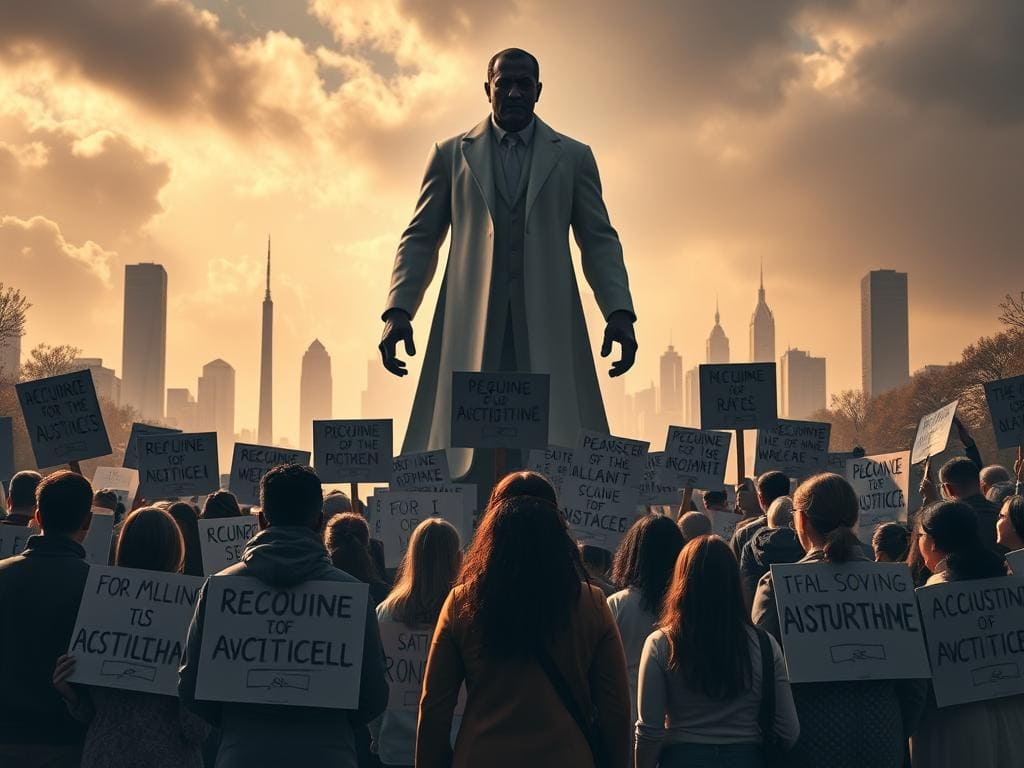
Cancel culture has serious downsides for individuals and society. It’s seen as a way to hold people accountable, but it harms mental health and freedom of speech. These effects can deeply impact personal lives and society’s conversations.
The Impact on Mental Health
Cancel culture often leads to mental health issues. Celebrities and regular people face bullying, causing depression and isolation. The fear of being shunned can lead to anxiety and distress.
Being canceled for past mistakes can ruin reputations and careers. This adds to emotional pain. Research shows 44% of Americans know about cancel culture, but many don’t understand its full impact.
Views on cancel culture vary. Some see it as accountability, while others view it as censorship. This shows a thin line between justice and mob mentality, ignoring context and personal growth.
Stifling Freedom of Speech
Cancel culture limits freedom of speech, making people afraid to share opinions. The fear of backlash can stop important discussions. This hinders progress, as people are scared to share their thoughts.
Public figures face intense scrutiny, as seen in the Dr. Seuss controversy. Former President Obama has criticized cancel culture for its lack of tolerance for human flaws. This shows a worrying trend: a culture that turns justice into a digital witch hunt, harming personal freedoms and mental health.
Conclusion
Cancel culture is a complex part of our social world. It sparks important talks but also has scary effects. It can help those who have been ignored speak up, but it can also make it hard for people to forgive.
We need to think about how our society reacts to these situations. Finding the right balance between holding people accountable and showing kindness is key.
The Oscars boycott by Jada and Will Smith shows activism can bring real change. By 2019, the Oscars had more diversity in nominations. But, the #BoycottDolceAndGabbana campaign shows how fast social backlash can hurt a brand’s image.
The fear of being “canceled” can stop important talks about justice. This was seen in a woman in Santa Cruz. This fear can block the justice that cancel culture aims for.
I hope for a future where we are more understanding. “Call-in culture” promotes talking things through instead of fighting. I want to create a space where people can learn from their mistakes and share their ideas without fear of being erased.
It’s important that our actions lead to real, positive change. We should focus on growth, not just punishment.

Leave a Reply
You must be logged in to post a comment.