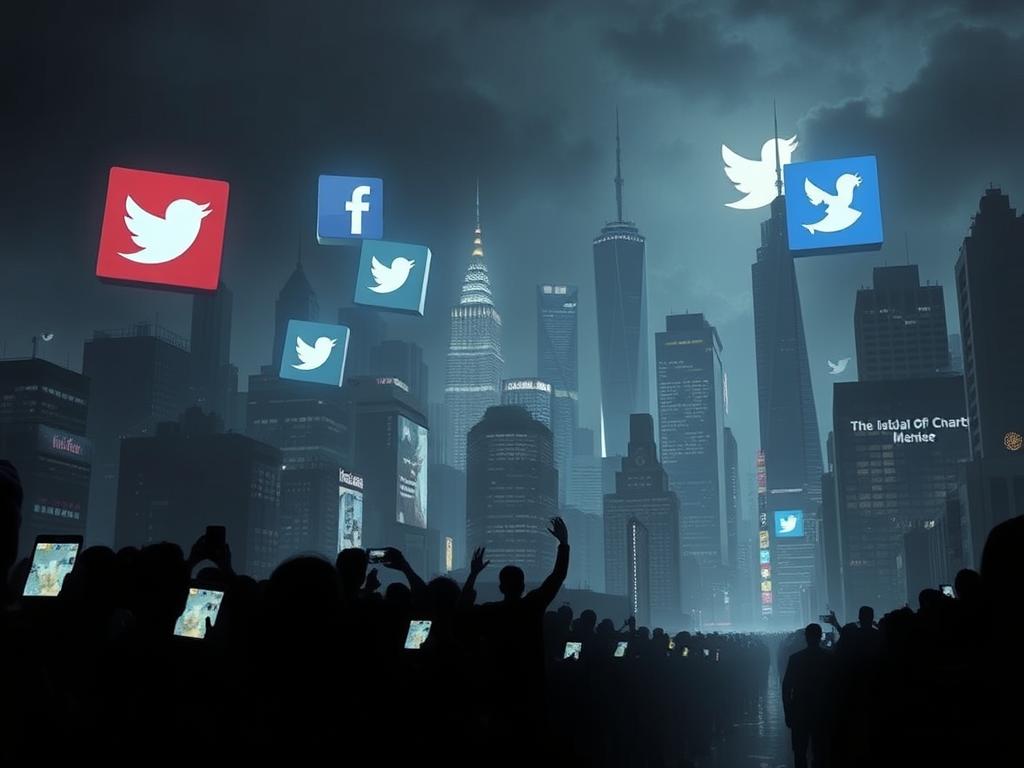
How Social Media is Secretly Controlling Your Life
Did you know 33% of people in 30 countries say social media hurts their quality of life? Facebook and Instagram are big parts of our lives, sometimes too big. About 45% of Gen Z spends over four hours a day on these apps, without even noticing.
This constant use is not just a habit. It’s a carefully crafted experience that grabs our attention. It can even control how we act and make decisions.
Thinking about my own social media use, I wonder: am I in control, or am I just along for the ride? Social media can bring us together or push us apart. It’s important to think about how much control we really have online. Are we in charge of our social media habits, or are they controlling us? In the next parts, I’ll look at how social media affects our mental health and how we can use these platforms more wisely.
Key Takeaways
- 33% of users report a negative quality of life impact from social media.
- 45% of Gen Z spends over four hours daily on platforms like Facebook and Instagram.
- Social media usage can lead to increased feelings of anxiety and depression.
- Cyberbullying affects about 10% of teenagers on social media.
- Passive scrolling can result in greater isolation and loneliness.
- Strategies like managing notifications and scheduling usage can help curb social media addiction.
Understanding the Subtle Effects of Social Media on Daily Life
Social media, like Facebook and Instagram, deeply affects our lives. It plays a big role in how we feel about ourselves and connect with others. This shows how much these platforms can manipulate us, affecting our self-worth and need for connection.
The Psychological Need for Connection
People often turn to social media to feel connected. Sites like Facebook and Instagram offer a place where getting likes and comments feels good. This can lead to addiction as we seek more approval online.
Feeling not good enough can make us post more, hoping for positive feedback. This cycle of seeking approval can be a form of manipulation.
The Role of Social Comparison
Social media makes us compare our lives to others. Seeing the perfect lives of others can make us feel bad about ourselves. This can lead to feeling not good enough.
Studies show that comparing our lives to online success stories can make us feel like failures. This shows how social media can both connect and isolate us at the same time.

Exploring the Social Media Impact on Mental Health
Social media has a big impact on our mental health. It offers chances to connect but also brings challenges. I see how it can make us feel happy but also anxious, lonely, and depressed.
Positive and Negative Outcomes
There are good sides to social media. I can stay in touch with loved ones and find groups that share my interests. These connections help me feel supported and less alone.
But, this connection comes with a cost. Many people feel it hurts their mental health. With so much time spent online, the risk of mental problems grows.
Isolation and Loneliness
The bad side of social media is feeling isolated and lonely. Even with lots of online friends, we can feel left out. Cyberbullying makes it worse, leading to more anxiety and depression in teens.
This gap between feeling supported online and actually feeling connected is huge. It makes us feel lonelier. Social media addiction makes it hard to build real-life friendships.
Conclusion
Social media plays a big role in our lives, but it can also cause stress. It affects our mental health, like our self-esteem, which is a big worry for young people. It’s key to understand both sides of social media to take care of our feelings.
As we spend more time online, it’s vital to use social media wisely. Learning how to use it right and being smart about it can help. Too much time on social media can make us feel anxious and lower our self-esteem.
It’s important to find a healthy balance with social media. We should use it to connect but also make sure we’re taking care of our mental health. By doing this, we can make sure social media improves our lives, not hurts them.

Leave a Reply
You must be logged in to post a comment.