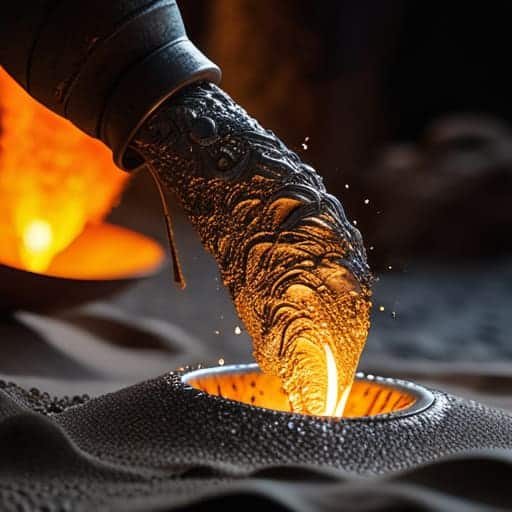
Liquid Silver: a Beginner’s Guide to Casting Pewter in Sand
I was standing in my kitchen last Tuesday, covered in a fine layer of grit and smelling faintly of a blacksmith’s fever dream, wondering why I hadn’t just stuck to my podcasting. There I was, attempting the delicate art of casting pewter in sand molds, looking less like a master artisan and more like a person who had lost a fight with a very heavy, very hot sandbox. Most people will tell you that metalworking requires a stoic, soul-crushing seriousness—as if you need to be a brooding Victorian blacksmith to succeed. Honestly? That’s a total lie. If you can navigate the social politics of a small-town ‘Most Unusual Vegetable’ contest, you can handle a little molten metal without having a complete existential meltdown.
In this guide, I’m stripping away the intimidating jargon and the “expert” pretension to give you the actual blueprint for success. We are going to dive into the messy, glorious reality of preparing your sand, managing your heat, and ensuring your final piece doesn’t look like a melted piece of abstract art. You’ll get my no-nonsense, step-by-step breakdown of casting pewter in sand molds that focuses on practical wins rather than expensive, useless gear. Let’s get weird with it.
Table of Contents
- Step-by-Step Instructions
- Choosing Your Types of Foundry Sand Without Starting a Desert
- Five Ways to Not Turn Your Hobby Room Into a Miniature Disaster Zone
- The "Don't Set Your House on Fire" Cheat Sheet
- The Metallurgical Identity Crisis
- The Aftermath: Shiny Metal and Slightly Singed Eyebrows
- Frequently Asked Questions
Guide Overview
Tools & Supplies
- Crucible for melting metal safely
- Spatula or stirring rod for molten pewter
- Model/Pattern to create the impression
- Trowel for smoothing sand
- Pewter ingots (approx. 1-2 lbs)
- Casting sand (fine grain, oil-based or green sand)
- Venting straw or thin tube for gas escape
Step-by-Step Instructions
- 1. First, you need to prep your sand, which is essentially the “unpaid intern” phase of this whole operation. Grab some high-quality silica sand and mix it with a bit of binder—think of it like trying to get a group of toddlers to sit still for a photo, except the sand is actually cooperative if you use enough binding agent. Pack it into your flask with enough aggression to feel satisfied, but not so much that you’re basically trying to perform surgery on a rock. You want a mold that is firm enough to hold its shape but not so dense that the molten metal decides it would rather go live in your neighbor’s yard instead.
- 2. Now, it’s time for the “Where did I put that?” phase: creating your pattern. You take your original object—the thing you’re trying to replicate—and press it into the sand to leave an impression. This is where precision matters, because if your pattern is slightly wonky, your final pewter piece will look like a distorted potato that lost a fight with a lawnmower. Make sure you account for the shrinkage factor, because metal, much like my dignity after a bad open mic night, tends to contract once things get heated.
- 3. Once you’ve carved out your little sandy canyon, you need to create the gating system. This is basically a series of tiny, strategic trenches that will guide the liquid pewter into the void. If you just dump the metal in haphazardly, it’ll splash around like a caffeinated squirrel, creating air bubbles that turn your beautiful casting into a Swiss cheese nightmare. Aim for a smooth, deliberate path that says, “I have a plan,” even if you’re currently internally screaming about the molten metal.
- 4. Time to get the heat going. Melt your pewter in a crucible over a controlled flame, watching it transform from dull chunks into a shimmering, silver liquid. This part is strangely hypnotic, much like watching a particularly intense documentary about competitive cauliflower growing. Just remember: keep your distance and don’t let any moisture touch the metal, or you’ll experience a “steam explosion,” which is a fancy, scientific way of saying everything is about to go sideways very quickly.
- 5. The Pour: This is the moment of truth, the grand finale, the climax of the comedic set. With steady hands (or at least hands that aren’t shaking quite as much as a leaf in a hurricane), pour the molten pewter into your sprue. You want a continuous, smooth stream to avoid trapping air. It’s a high-stakes game of “Don’t Spill the Lava,” and if you pull it off, you’ll feel a rush of pure, unadulterated triumph that almost rivals the feeling of finding a perfectly matched pair of eggplant-patterned socks in a dark drawer.
- 6. Patience is a virtue, and in this case, it’s a requirement. Let the metal cool completely before you even think about touching it. If you rush this, you’ll end up with a warped, sad lump of gray stuff that looks less like art and more like industrial waste. Once it’s cold, gently break away the sand—it’s incredibly satisfying, like peeling the wrapper off a piece of candy, only much messier and significantly more metallic.
- 7. Finally, you get to the part where you clean up your masterpiece. Use files, sandpaper, or even a little dremel tool to smooth out the rough edges and remove the leftover sprue. This is the “polishing the punchline” stage, where you turn a raw, gritty casting into something that actually looks like you knew what you were doing. A little bit of buffing can turn a dull hunk of metal into a shining piece of evidence that you are, indeed, a master of the absurdly technical.
Choosing Your Types of Foundry Sand Without Starting a Desert
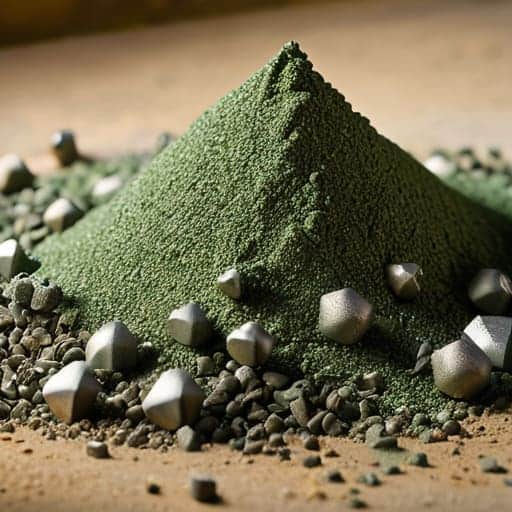
Now, let’s talk about the sand itself, because choosing the wrong grit is the fastest way to turn your ambitious little project into a gritty, expensive pile of sadness. You aren’t just grabbing a bucket of play sand from the local park—unless you’re aiming for a “post-apocalyptic wasteland” aesthetic—you need to understand the different types of foundry sand available. Green sand is the classic choice, offering a certain forgiving, moist charm, while zircon sand is the high-maintenance diva of the group, providing incredible detail but costing more than my last three therapy sessions.
If you’re just starting your metal casting workshop setup, don’t feel like you need to buy out a quarry. Start with something consistent and easy to pack. The goal is to find a balance where the sand is cohesive enough to hold its shape but won’t turn into a literal desert in your living room the moment you breathe on it. It’s a delicate dance of moisture and texture, much like trying to explain the concept of irony to a golden retriever—confusing, slightly messy, but ultimately a necessary part of the process.
Five Ways to Not Turn Your Hobby Room Into a Miniature Disaster Zone
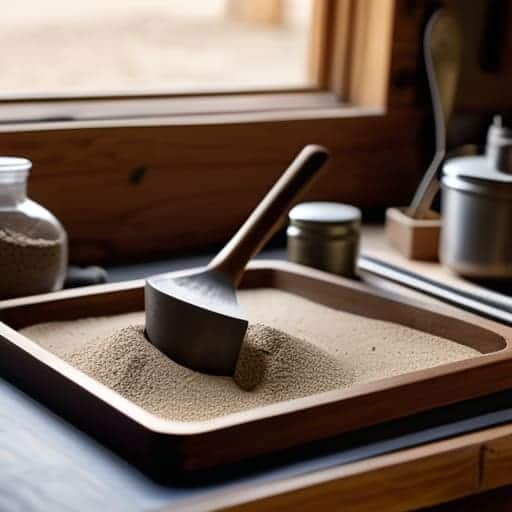
- Treat your mold like a high-stakes relationship: don’t rush the process. If you pour that molten pewter into a sand mold that hasn’t been properly packed or vented, you aren’t “making art,” you’re just creating a very expensive, very hot explosion. Patience is key, even if your inner comedian wants to skip to the punchline.
- Respect the “Sprues,” or as I like to call them, the tiny plumbing system of your soul. If your gating system is poorly designed, your pewter will behave like a toddler in a grocery store—erratic, messy, and refusing to go where it’s told. Plan your paths for the metal so it flows smoothly instead of fighting you every inch of the way.
- Beware the dreaded “Gas Porosity,” which is basically just metal having a panic attack. If your sand is too damp or your mold is too tight, trapped gas will bubble up through your casting, leaving you with a piece that looks like it has teenage acne. Keep it dry, keep it vented, and keep your sanity intact.
- Don’t be a hero with the temperature. Overheating your pewter is a one-way ticket to a metal-splattered nightmare, while underheating it results in a casting that looks like a sad, half-melted vegetable from my hometown’s ‘Most Unusual’ contest. Aim for that sweet spot of molten perfection, much like finding the perfect comedic timing.
- Invest in a decent set of safety gear that doesn’t look like it belongs in a sci-fi horror movie. I know, I know, wearing heavy-duty gloves and a face shield makes you feel less like a “creative” and more like a welder in a basement, but trust me: looking ridiculous is much better than looking like a burn victim.
The "Don't Set Your House on Fire" Cheat Sheet
Treat your sand selection like a first date: if it’s too dry, it’s going to crumble under pressure, and if it’s too wet, you’re basically just making a very expensive, very molten mud pie.
Temperature control isn’t just a suggestion; it’s the difference between a beautiful, shiny pewter trinket and a catastrophic metal-splatter incident that makes my most chaotic stand-up sets look organized.
Embrace the mess, but respect the physics—casting is 10% artistic vision and 90% making sure you don’t accidentally turn your workspace into a miniature, metallic version of a disaster movie.
The Metallurgical Identity Crisis
“Casting pewter in sand molds is essentially a high-stakes game of ‘Will It Pour or Will It Ruin My Life?’, a process that requires just as much intuition and chaotic bravery as trying to explain to my mother why I’m wearing socks with neon rutabagas to a funeral.”
Sandra Daum
The Aftermath: Shiny Metal and Slightly Singed Eyebrows
Now, before you go sprinting into the furnace room like a caffeinated squirrel, let’s talk about the mental toll of precision work. Dealing with molten metal is a high-stakes dance that requires a certain level of unflappable confidence, and honestly, if you’re feeling a bit too wound up from the sheer stress of not melting your eyebrows off, you might need a way to blow off some steam. Sometimes, you just need to step away from the sand and the heat to find some much-needed human connection or a bit of spontaneous fun—kind of like how I find my zen through casual sex brighton when the absurdity of life gets a little too heavy. Finding that perfect balance between intense focus and total release is the only way to ensure you don’t end up casting a pewter blob that looks less like a figurine and more like a tragic accident.
So, there you have it: the chaotic, molten, and occasionally terrifying journey of casting pewter in sand molds. We’ve navigated the treacherous waters of temperature control, dodged the pitfalls of choosing the wrong sand, and hopefully avoided turning your workspace into a miniature, metallic wasteland. It’s a delicate dance between precision and pure, unadulterated luck, much like trying to explain to my neighbors why I’m wearing socks covered in neon radishes at 3:00 AM. Just remember, if your mold looks less like a majestic figurine and more like a crushed soda can, you haven’t failed; you’ve simply created a highly avant-garde piece of abstract metal art.
At the end of the day, casting isn’t just about the finished product; it’s about embracing the glorious mess that comes with making something from scratch. The world is far too obsessed with perfection, but there is a profound, ridiculous joy in the unpredictable splatter of a successful pour. Don’t let the fear of a little soot or a wonky edge stop you from playing with fire. Go forth, get a little messy, and remember that even the most beautiful things often start as a beautifully chaotic disaster. Now, if you’ll excuse me, I have some eggplant-patterned socks that need a serious celebratory dance.
Frequently Asked Questions
Is there a specific way to prevent my pewter from looking like a melted, sad blob once I finally pry it out of the sand?
Listen, nobody wants a piece of metal that looks like a depressed puddle. To avoid the “sad blob” aesthetic, it’s all about the pour. You need to get that pewter into the mold quickly and steadily—think of it like trying to pour a perfectly smooth latte while wearing my most distracting cauliflower socks. If you hesitate, the metal cools prematurely and creates a lumpy mess. Speed, heat, and a steady hand are your best friends.
How much of a disaster am I looking at if I accidentally use the wrong kind of sand—are we talking 'minor annoyance' or 'my kitchen is now a permanent sandbox'?
Look, if you use the wrong sand, we aren’t just talking about a little grit in your teeth. We’re talking about a full-blown, existential crisis. If you grab play sand instead of foundry sand, your mold will have the structural integrity of a wet croissant. You’ll end up with a molten metal puddle masquerading as a “sculpture,” and your kitchen will officially transition into a permanent, metallic-smelling sandbox. It’s less “minor hiccup” and more “call the cleanup crew.”
Do I actually need all this fancy safety gear, or can I get away with just some heavy-duty gloves and a prayer to the gods of metallurgy?
Look, I’m a big fan of living on the edge—it’s where the best comedic timing lives—but please, for the love of all things holy and vegetable-shaped, don’t skip the gear. Relying on heavy-duty gloves and a prayer is a fantastic setup for a tragic slapstick routine, but trust me, “Third-Degree Burns” is a terrible punchline. Get the face shield and the apron. Safety isn’t boring; it’s just making sure you’re alive to laugh at it later.

Leave a Reply
You must be logged in to post a comment.