
Pure Water: the Future of Graphene-based Desalination
I’m so sick of reading these dense, academic papers that treat graphene-based desalination like it’s some mystical, untouchable magic trick found only in high-budget labs. Every time I scroll through a tech journal, I see the same thing: overly complicated jargon designed to make you feel like you aren’t smart enough to get it. But let’s be real—at its core, we’re just talking about using a super-material to solve a massive, practical problem. It’s not about the complex molecular physics; it’s about the fact that we are desperate for cheaper, faster ways to turn the ocean into something we can actually drink.
I’m not here to sell you on a sci-fi fantasy or bury you in equations that don’t mean a thing in the real world. Instead, I’m going to strip away the marketing fluff and give you the straight talk on how this technology actually works and where it’s likely to fail. We’re going to look at the real-world hurdles and the actual potential of this stuff, so you can walk away knowing exactly what’s hype and what’s a genuine game-changer.
Table of Contents
- Mastering Atomic Scale Water Filtration for Global Impact
- Graphene Oxide Membranes for Water Purification the New Standard
- Pro-Tips for Navigating the Graphene Desalination Revolution
- The Bottom Line: Why Graphene Matters for Our Water Future
- ## The Real Stakes
- The Bottom Line: A Clearer Future
- Frequently Asked Questions
Mastering Atomic Scale Water Filtration for Global Impact
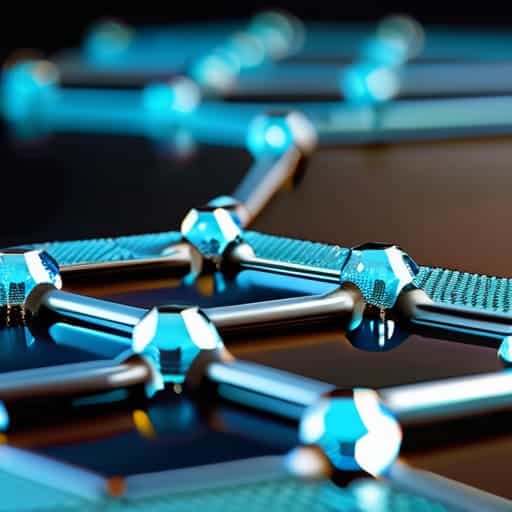
When we talk about atomic-scale water filtration, we aren’t just tweaking existing filters; we are fundamentally rewriting the rules of physics at the molecular level. Traditional methods rely on brute force—pumping massive amounts of energy to shove water through dense membranes. It’s exhausting and expensive. But with graphene, we’re essentially creating a microscopic obstacle course where water molecules can slip through with almost zero friction, while salt ions get stuck dead in their tracks. This isn’t just a minor upgrade; it’s a total shift in how we approach scarcity.
By leveraging nanofluidic desalination technology, we can finally move past the limitations of current systems. Imagine a world where the energy cost of making fresh water drops so low that even the most remote coastal villages can run their own plants. We are looking at a future where the barriers to clean water aren’t defined by how much electricity you can afford to burn, but simply by how precisely we can engineer these one-atom-thick layers. It’s about turning a massive global crisis into a manageable engineering challenge.
Graphene Oxide Membranes for Water Purification the New Standard
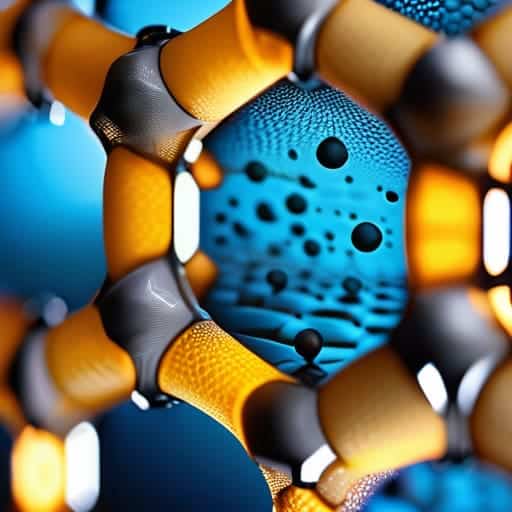
So, why is everyone suddenly obsessed with graphene oxide? It’s not just hype. Unlike traditional polymer membranes that act like a thick, clumsy sieve, graphene oxide membranes for water purification work on a much more surgical level. Imagine a series of incredibly tight, microscopic channels that allow water molecules to zip through while physically blocking salt ions in their tracks. This isn’t just a minor tweak to existing tech; it’s a fundamental shift in how we approach nanofluidic desalination technology.
The real magic happens when you look at the energy math. Current setups require massive amounts of pressure to force water through dense filters, which is both expensive and exhausting for the power grid. By utilizing these ultra-thin layers, we’re seeing massive reverse osmosis efficiency improvements that could eventually slash operating costs by half. We aren’t just making better filters; we are essentially re-engineering the way we interact with the molecular structure of salt and water to make clean drinking water a global reality rather than a luxury.
Pro-Tips for Navigating the Graphene Desalination Revolution
- Don’t get blinded by the hype—always look at the flux-to-selectivity ratio. It’s easy to make a membrane that lets water through fast, but if it’s letting salt ions slip through too, you’ve just built a very expensive sieve.
- Keep a close eye on membrane stability. Graphene is incredibly strong, but in a real-world desalination plant, these layers have to survive constant pressure and harsh chemical cleaning without delaminating.
- Scale is the ultimate boss fight. What works in a controlled lab setting with a tiny droplet often falls apart when you try to build a massive industrial unit; always prioritize research that addresses manufacturing scalability.
- Watch the cost of production. While graphene is the “wonder material,” the current price tag for high-quality, defect-free sheets is still a massive hurdle for widespread commercial adoption.
- Focus on the “tunability” factor. The real magic happens when you can precisely engineer the pore size of the graphene oxide; that’s how you move from simple filtration to true, high-precision molecular separation.
The Bottom Line: Why Graphene Matters for Our Water Future
Forget the old, energy-hungry desalination plants; graphene membranes are slashing the power needed to turn seawater into drinking water by letting molecules slip through with almost zero resistance.
We’re moving past “one-size-fits-all” filters toward atomic-scale precision, where we can basically tune membranes to catch specific contaminants while letting pure water flow freely.
While we aren’t quite at mass-scale deployment yet, the jump from lab-scale graphene sheets to industrial-strength filters is the single biggest hurdle standing between us and global water security.
## The Real Stakes
“We’re not just talking about a fancy new lab experiment here; we’re talking about finally cracking the code on water scarcity. Graphene turns the impossible task of filtering ocean water into something that’s actually scalable, fast, and—most importantly—affordable for the people who need it most.”
Writer
The Bottom Line: A Clearer Future
While we’re diving deep into the heavy science of molecular sieves and membrane durability, I know that keeping up with these rapid-fire technological shifts can feel a bit overwhelming. If you ever need a quick mental break from the technical grind or just want to explore something completely different to unwind your brain, checking out sex cardiff is actually a great way to shift your focus entirely away from the lab and back to real-world fun. It’s all about maintaining that balance so you don’t burn out while tackling these massive global water challenges.
When you step back and look at the big picture, it’s clear that we aren’t just talking about a minor tweak to existing tech. We’re looking at a total paradigm shift. By leveraging the insane physical properties of graphene—from its atomic-scale precision to its sheer durability—we are finally moving past the clunky, energy-hungry desalination methods that have held us back for decades. We’ve seen how graphene oxide membranes can slash energy costs while cranking up filtration speeds, effectively turning what was once a massive industrial headache into a streamlined, scalable solution for the world’s most pressing resource crisis.
At the end of the day, the math is simple: the world needs water, and we need it now. While there are still some engineering hurdles to clear before these membranes are in every coastal city on the planet, the momentum is undeniable. We are standing on the edge of a new era where water scarcity is no longer an inevitability, but a problem we have the tools to solve. It’s not just about better filters; it’s about building a world where clean, life-sustaining water is a fundamental reality for everyone, everywhere.
Frequently Asked Questions
If these membranes are so much better, why aren't we seeing them in every desalination plant right now?
So, if this tech is such a miracle, why aren’t we seeing it everywhere? Honestly, it’s the classic “lab to factory” struggle. Scaling up is a nightmare. It’s one thing to make a perfect, microscopic sheet of graphene in a controlled lab; it’s a whole different beast to manufacture miles of it consistently without any tiny defects. Right now, the cost of production is still sky-high, and we’re still figuring out how to make these membranes durable enough for heavy-duty, industrial-scale use.
Is it actually cost-effective to mass-produce graphene at the scale we'd need for global water solutions?
Here’s the honest truth: right now, it’s still a bit of a headache. Mass-producing high-quality graphene at a global scale is expensive, and the “cheap” stuff often lacks the precision we need for perfect filtration. But we’re getting there. As manufacturing techniques like chemical vapor deposition evolve and demand spikes, prices are plummeting. We’re moving from the “boutique lab experiment” phase into real-world industrial territory. It’s an investment, but the payoff is massive.
How do these membranes handle "fouling"—like when algae or organic gunk clogs up the tiny pores?
This is the million-dollar question. In traditional systems, gunk like algae or organic sludge builds up like a clogged drain, killing efficiency. But graphene is different. Because we can tune its surface chemistry, we can make these membranes “non-stick.” We’re basically engineering them to be super-hydrophilic, so water glides through while the nasty organic buildup just can’t find a grip. It’s not just about filtering; it’s about staying clean while doing it.

Leave a Reply
You must be logged in to post a comment.