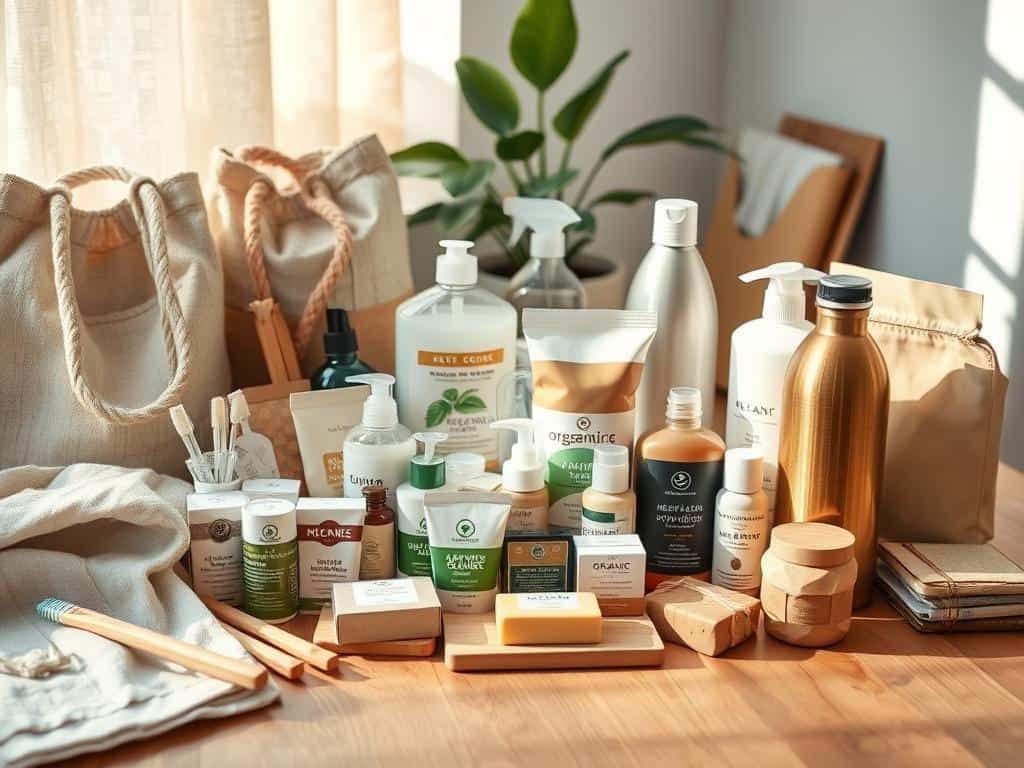
Eco-Friendly Products: Are They Worth the Hype?
Did you know 73% of people want to buy less to help the planet? This shows how big the talk about green products is getting. People like these products for many reasons, like helping the environment, saving money, and being healthier.
Companies like Patagonia and Seventh Generation lead the way in being green. They use materials that break down easily and treat workers fairly. Even though these products cost more, they often last longer and look better. This can save you money in the long run.
But is it worth spending more on these products? Or is it just a way for companies to make more money off of people who care about the planet?
Key Takeaways
- Sustainable products may cost more due to higher supply chain expenses and certification costs.
- Extrinsic factors, like fair wages and eco-friendly materials, raise prices but support social responsibility.
- A growing trend shows that consumers are willing to pay an average of 9.7% more for eco-friendly goods.
- Online searches for sustainable products have risen by 71% globally over the past five years.
- Brands that prioritize sustainability are becoming increasingly important to consumers.
- Consumers expect durability from eco-friendly products, leading to long-term savings.
- The demand for sustainability reflects a broader recognition of climate change’s impact.
Understanding the Cost of Eco-Friendly Products
Eco-friendly products often cost more than regular items. This is because of several factors. Knowing these can help us see why sustainable choices might seem pricey at first. But, they can save us money in the long run.
Supply Chain Expenses
Supply chain costs are a big part of why eco-friendly products are pricier. Sustainable materials are more expensive because they’re sourced responsibly. Companies that choose greener options might pay more for shipping because of lighter, eco-friendly materials.
Even with these extra costs, many businesses save money in the long run. They spend less on waste management because of their eco-friendly packaging.
Embedded Externalities
External costs, like fair wages and green practices, also raise the price of eco-friendly products. These costs might seem high at first. But, the benefits they bring over time make them worth it.
For example, fair trade certification helps ensure workers are treated fairly. It also leads to better-quality products. This investment in fairness and quality is a long-term gain.
Certification Costs
Certifications like USDA Organic or Fair Trade add a lot to the cost of eco-friendly products. These can cost up to $25,000 a year. This makes the products more expensive.
Yet, companies that get these certifications often earn more trust from customers. This loyalty can help offset the initial cost. As more people choose sustainable products, these costs might go down. This could make eco-friendly choices more affordable for everyone.

Eco-Friendly Products: An Increasingly Popular Choice
The rise of eco-friendly products shows a big change in how people think about sustainability. More and more, people are willing to spend extra for products that are good for the planet. This change is part of a bigger shift in how we shop.
Now, over half of all product growth comes from products that are better for the environment. This shows that people really want sustainable options.
Consumer Willingness to Pay More
A 2020 McKinsey survey found that 60% of U.S. consumers want to buy products with sustainable packaging. This trend is getting stronger, with 80% of people saying they’re willing to pay more for eco-friendly brands. Some are even ready to pay up to 9.7% more for sustainable products.
Brands like Pela Case are leading the way. They make compostable phone cases that use less water and carbon emissions than regular products.
Social Media Influence on Purchasing Habits
Social media is big in shaping our choices to buy sustainable products. Sites like Instagram and TikTok help eco-friendly brands get noticed. They show off their green practices and products.
When people share their eco-friendly buys, it inspires others to do the same. This creates a chain reaction. The success of products like EcoFlow’s solar devices shows how social media can encourage us to buy responsibly.
The Shift Towards Sustaining Practices
More and more, people are choosing products based on how they affect the environment. A study found that 64% of consumers see sustainability as key when they shop. Brands that focus on being green, like FinalStraw’s straws, attract these eco-aware shoppers.
By being ethical, companies can build trust and loyalty with customers who care about the planet.
Conclusion
The rise in eco-friendly products shows a big change in what people value. More and more, folks want to buy things that are good for the planet. This shift is because they see how important it is to protect our environment.
Brands that focus on being green can gain a lot. They get a better reputation and reach more customers. By choosing eco-friendly options, companies attract people who care about the planet. This makes them stand out and could change the way we shop.
It’s key to teach people about the environment. By sharing info on green choices, we help others make better decisions. This effort not only helps our planet but also ensures a better future for all of us.

Leave a Reply
You must be logged in to post a comment.