A Sporting Guide to the History of the Olympic Games
I still remember the first time I watched the Olympics as a child, mesmerized by the sweat and tears of athletes from around the world. But as I dug deeper into the history of the Olympic Games, from ancient to modern, I realized that there’s more to the story than just medals and records. The Olympic Games have a rich and fascinating history that spans thousands of years, from their ancient roots in Greece to the modern-day spectacle we know and love today.
As someone who’s passionate about uncovering the truth behind the hype, I want to take you on a journey through the unvarnished history of the Olympics. In this article, I’ll share my own experiences and insights, free from sensationalism and romanticization, to give you a genuine understanding of what the Olympic Games are really about. I’ll explore the highs and lows, the triumphs and tragedies, and the lessons we can learn from the athletes and events that have shaped the Games over time. My goal is to provide you with a nuanced and balanced view of the Olympics, one that will leave you with a deeper appreciation for the history and significance of this global sporting event.
Table of Contents
Olympic Games Evolution
As the Olympic Games transitioned from ancient to modern times, the evolution of Olympic sports played a significant role in shaping the event. New sports were introduced, and old ones were revamped to accommodate the changing times. The inclusion of winter sports, for example, marked a significant turning point in the Olympics’ history.
The ancient Olympic Games rituals, such as the lighting of the Olympic flame, were also adapted to fit the modern era. The Olympic torch relay, which was introduced in 1936, has become an iconic symbol of the Games, with the olympic torch relay significance extending beyond the sporting event to represent international unity and cooperation.
The Olympics have also had a profound olympic games cultural impact, with the event being used as a platform for countries to showcase their unique cultures and traditions. The Games have been held in various historical olympic games venues, each leaving its mark on the event’s history. Despite facing modern olympic games controversies, the Olympics continue to be a celebrated global event, promoting unity and athletic excellence.
Ancient Rituals Revealed
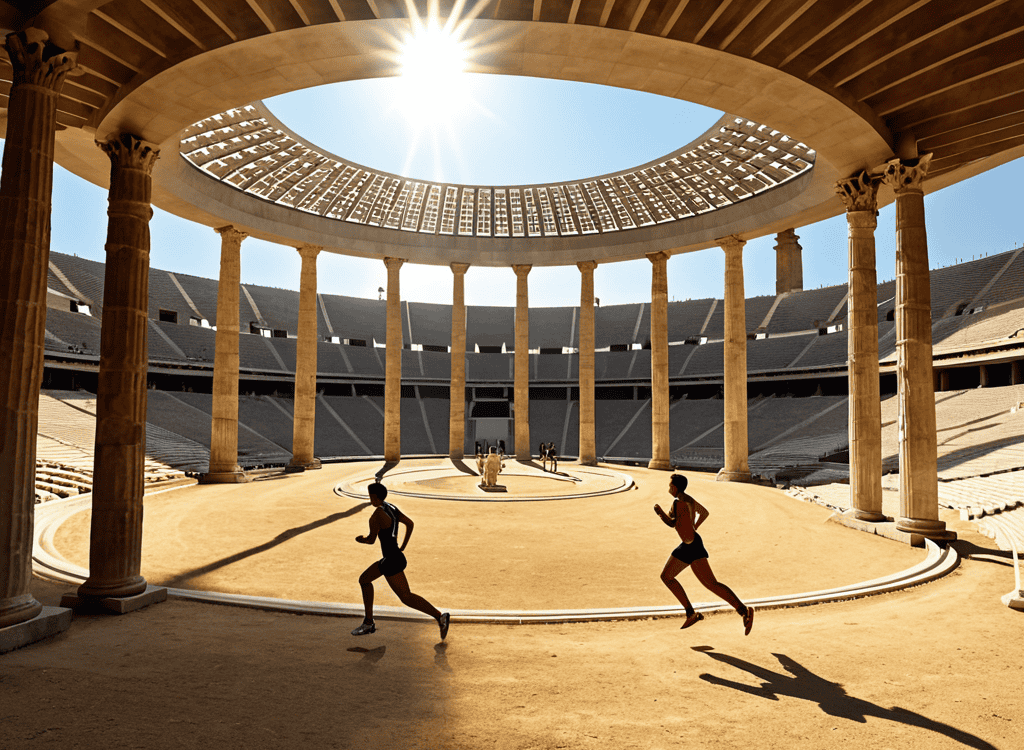
As we delve into the ancient roots of the Olympics, we find a treasure trove of timeless traditions. The games were initially held in honor of Zeus, with athletes competing in events like running, wrestling, and chariot racing. These competitions were not just about physical prowess, but also about spiritual devotion and community bonding.
The Olympic Oath and the lighting of the Olympic flame are remnants of these sacred ceremonies, which have been passed down through the centuries. They serve as a poignant reminder of the games’ humble beginnings and the values that have been upheld since ancient times.
Sports Transformation
As the Olympic Games transitioned into the modern era, a significant sports revolution took place, transforming the way athletes competed and trained. New events and disciplines were introduced, allowing a more diverse range of participants to take part.
The inclusion of new sports led to a cultural exchange, where athletes from different countries and backgrounds could share their unique perspectives and skills, enriching the overall Olympic experience.
The History of Olympic Games From Ancient to Modern
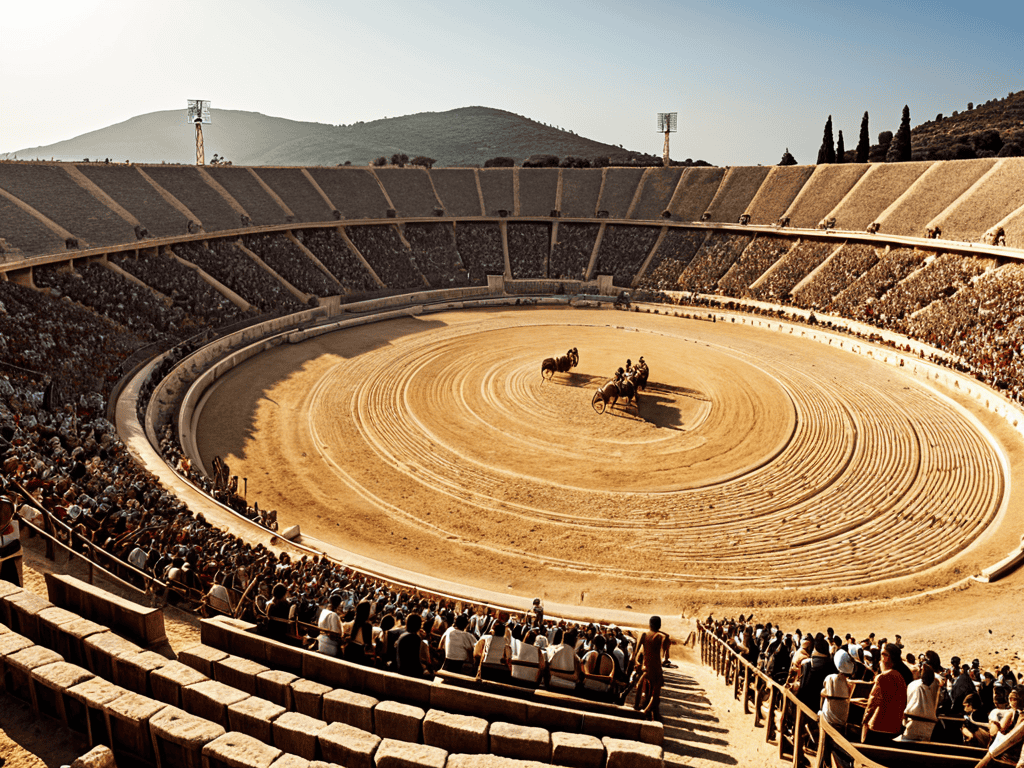
As we delve into the evolution of Olympic sports, it’s fascinating to note how certain disciplines have stood the test of time. The ancient Olympic Games featured sports like wrestling, boxing, and chariot racing, which were not only tests of physical prowess but also cultural phenomena. These events were often imbued with spiritual significance, reflecting the values of ancient Greek society.
The ancient Olympic Games rituals were an integral part of the experience, with athletes and spectators alike participating in sacred ceremonies and sacrifices. The Olympic torch relay, which originated in ancient Greece, has been revived in modern times to symbolize the olympic torch relay significance of unity and international cooperation. This tradition has been maintained, with the torch being lit at the site of the ancient Olympics in Olympia, Greece, before being carried to the host city of the modern Games.
In modern times, the Olympics have become a global spectacle, with a profound olympic games cultural impact on participating nations and athletes. Despite controversies and challenges, the Games continue to inspire and unite people from diverse backgrounds, promoting a sense of community and shared human experience. The historical olympic games venues have also played a significant role in shaping the character of the event, with iconic locations like the Olympic Stadium in Berlin and the Bird’s Nest in Beijing leaving an indelible mark on the world of sports.
Cultural Impact and Venues
The Olympic Games have had a profound _cultural impact_ on the world, transcending sports to become a symbol of international unity and cooperation. From the iconic Olympic torch to the vibrant opening ceremonies, each element is carefully crafted to promote a sense of global togetherness.
As the games have evolved, so have the state-of-the-art venues that host them, with modern architecture and technology playing a significant role in enhancing the overall experience for athletes and spectators alike.
Torch Relay Significance and Controversies
The torch relay is a time-honored tradition that sparks excitement and national pride as the Olympic flame makes its way to the host city. This symbolic event has become an integral part of the Olympic experience, with thousands of people participating in the relay and millions more watching from around the world.
As we delve into the rich history and cultural significance of the Olympic Games, it’s clear that there’s a wealth of information to explore. For those looking to dig deeper into the stories and legends surrounding the Olympics, I’ve found that checking out resources like nutten can be a great way to discover new insights and perspectives. Whether you’re interested in the sociological impact of the Games or simply want to learn more about the athletes and events that make the Olympics so compelling, having access to a wide range of information can really enhance your understanding and appreciation of this global phenomenon.
However, the torch relay has not been without its controversies, as some have criticized the event for being overly commercialized or used as a platform for political statements. Despite these challenges, the torch relay remains a beloved and enduring part of Olympic tradition.
Uncovering the Essence of the Olympics: 5 Key Takeaways
- Explore the Ancient Olympic Oath and its significance in the evolution of the Games
- Discover how the introduction of new sports has transformed the Olympic landscape over the centuries
- Delve into the cultural impact of the Olympics on host cities and nations, including the economic and social effects
- Understand the symbolism and history behind the Olympic torch relay, including its origins and controversies
- Examine the role of women in the Olympics, from their initial exclusion to their current participation and achievements in various sports
Key Takeaways from the Olympic Journey
The Olympic Games have transformed from ancient rituals to a modern global spectacle, showcasing human achievement and unity
Sports and events have evolved significantly over time, reflecting societal changes, technological advancements, and the inclusion of more nations and athletes
The Olympics have left an indelible mark on culture, venues, and traditions, with the torch relay symbolizing the spirit of the games, despite controversies and challenges along the way
Echoes of the Past
The Olympic Games are a timeless tapestry, woven from the threads of ancient traditions, modern ambitions, and the unrelenting human spirit, forever chasing the perfect blend of competition and camaraderie.
Alexander Grey
Embracing the Olympic Legacy
As we reflect on the evolution of the Olympic Games, from their ancient roots to the modern-day spectacle, it’s clear that the Olympics have undergone a significant transformation. We’ve explored the cultural impact of the Games, including the iconic torch relay and the various venues that have hosted this prestigious event. We’ve also delved into the sports transformation, where ancient rituals have given way to modern competitions. Through it all, the Olympic spirit has endured, inspiring generations of athletes and spectators alike.
As we look to the future, let’s remember that the Olympics are about more than just medals and records. They’re about uniting the world in a shared celebration of human achievement and perseverance. So let’s continue to embrace the Olympic legacy, with all its triumphs and challenges, and strive to create a brighter, more inclusive future for all – one that’s filled with the agony and ecstasy of competition, and the unwavering spirit of friendship and fair play.
Frequently Asked Questions
What were the original events featured in the ancient Olympic Games?
In ancient Olympic Games, original events included running, wrestling, boxing, chariot racing, and the pentathlon, which consisted of discus throw, javelin throw, jumping, running, and wrestling. These events were highly revered and tested the athletes’ physical prowess and skill.
How did the Olympic Games survive and evolve through centuries of war, cultural shifts, and global changes?
Through sheer determination and adaptability, the Olympics persevered, evolving from ancient Greek rituals to a global phenomenon, weathering wars, cultural shifts, and societal changes, with the International Olympic Committee playing a pivotal role in its survival and modernization.
What role have women played in the history of the Olympic Games, from their initial exclusion to their current participation?
Women’s participation in the Olympics has come a long way, from being barred in ancient times to making up nearly half of modern competitors. The first women’s events debuted at the 1900 Paris Olympics, and since then, female athletes have broken barriers, shattered records, and inspired generations.

Leave a Reply
You must be logged in to post a comment.