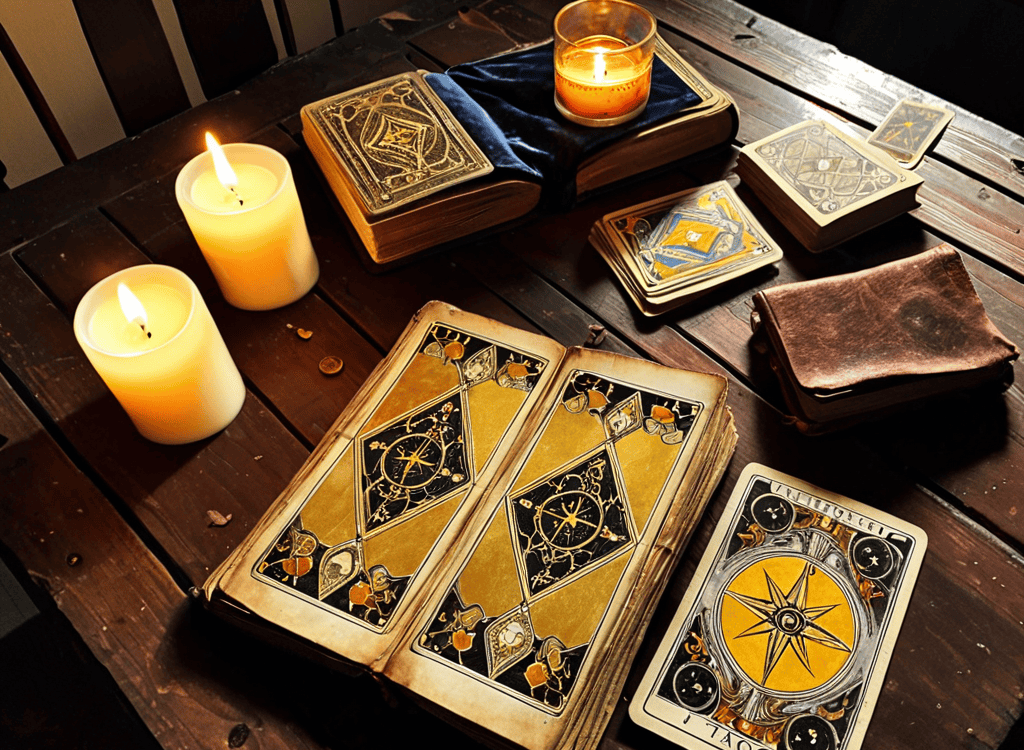
A Mystic’s Guide to the History and Meaning of Tarot Cards
I still remember the first time I stumbled upon a tarot card reading – it was as if the cards held a secret language, whispering tales of the past, present, and future. As I delved deeper into this mystical world, I realized that many people view a guide to the history and meaning of tarot cards as a complicated, almost impenetrable subject. But the truth is, understanding tarot cards doesn’t have to be a daunting task. With the right approach, anyone can unlock the secrets of these ancient cards and discover the hidden patterns that govern our lives.
In this article, I’ll share my personal journey of discovering the true meaning behind tarot cards, and provide you with a step-by-step guide to help you navigate the world of a guide to the history and meaning of tarot cards. You’ll learn how to decipher the symbolism, understand the different types of tarot cards, and even how to perform your own readings. My goal is to give you a practical understanding of tarot cards, stripping away the mystery and misconceptions that often surround them. By the end of this guide, you’ll be equipped with the knowledge and confidence to start your own tarot journey, and uncover the deeper insights that these cards have to offer.
Table of Contents
Guide Overview: What You'll Need
Total Time: 2 hours 30 minutes
Estimated Cost: $20 – $50
Difficulty Level: Intermediate
Tools Required
- Notebook (for note-taking)
- Pen (for writing)
- Tarot Card Deck (a standard deck of 78 cards)
Supplies & Materials
- Books on Tarot History (for research)
- Online Resources (for additional information)
- Tarot Journal (for recording interpretations)
Step-by-Step Instructions
- 1. First, let’s start by unraveling the mystery of tarot cards, which begins with understanding their historical context. To do this, research the origins of tarot cards, which date back to the 15th century in Italy. Look into how they evolved over time, influenced by various cultures and societies, and how their meanings and symbolism changed.
- 2. Next, familiarize yourself with the structure of a tarot deck, which typically consists of 78 cards, divided into the Major Arcana and the Minor Arcana. The Major Arcana cards are considered to be more influential and represent major life themes and archetypes, while the Minor Arcana cards reflect everyday situations and challenges.
- 3. Now, delve into the symbolism and imagery of the tarot cards, which are rich in metaphorical meaning. Each card has its own unique symbols, colors, and characters, which contribute to its overall meaning and interpretation. For example, the Fool card often represents new beginnings and innocence, while the Death card symbolizes transformation and renewal.
- 4. To gain a deeper understanding of the tarot cards, it’s essential to learn about the different spreads, which are the layouts used for readings. Start with simple spreads like the Three-Card Spread, which represents the past, present, and future, and gradually move on to more complex spreads like the Celtic Cross Spread.
- 5. Once you have a good grasp of the tarot cards and their meanings, practice interpreting the cards in context, taking into account the question being asked, the position of the card in the spread, and the relationship between the cards. This will help you develop your intuitive understanding of the tarot and improve your reading skills.
- 6. Another crucial step is to keep a tarot journal, where you record your readings, notes, and insights. This will help you track your progress, identify patterns and themes, and refine your understanding of the tarot cards over time. Reflecting on your experiences and observations will also allow you to develop your own unique approach to tarot reading.
- 7. Finally, remember that mastering the tarot is a lifelong journey, and there’s always more to learn and discover. Continue to expand your knowledge by exploring different tarot traditions, reading books and articles, and joining online communities or forums to connect with other tarot enthusiasts and learn from their experiences.
Tarot Cards Unveiled
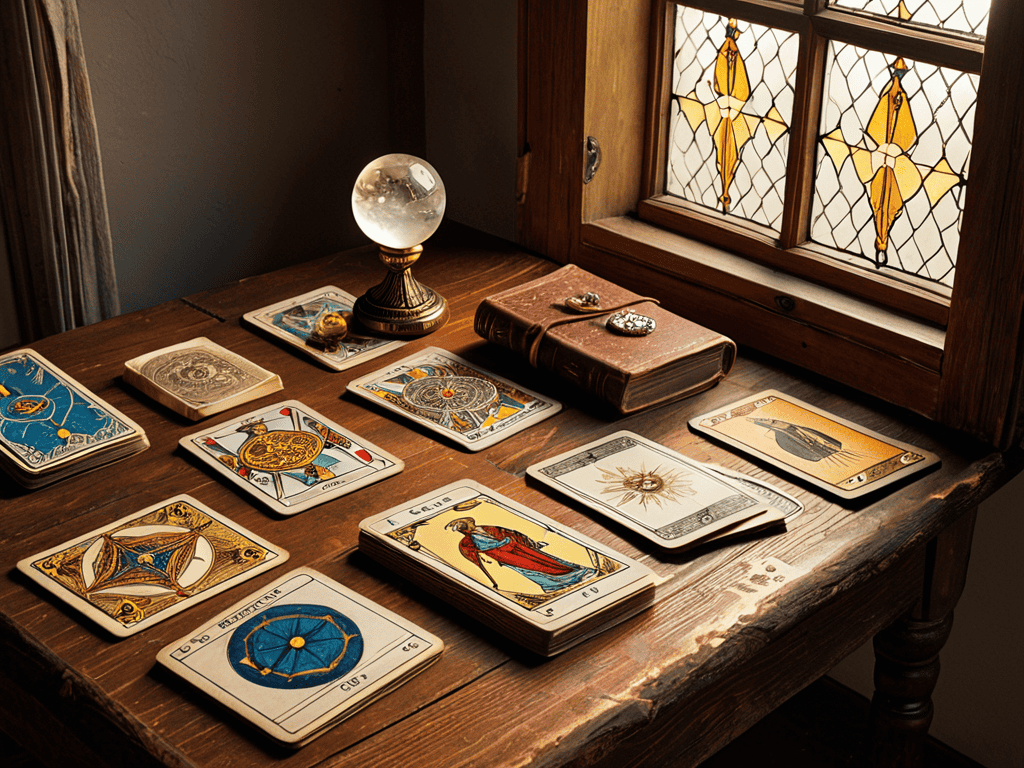
As we delve deeper into the world of tarot, it’s essential to understand the tarot card symbolism in different cultures. Each culture has its unique interpretation, adding layers of depth to the cards. For instance, the Major Arcana cards often represent major life events or themes, while the Minor Arcana cards reflect everyday situations and emotions. Tarot deck evolution has also played a significant role in shaping the cards we use today, with various artists and cultures contributing their own twist.
As we continue to unravel the mystical threads of tarot’s ancient past, it’s essential to have a solid foundation in understanding the symbolism and connections that underlie this complex system. For those looking to deepen their knowledge, I highly recommend exploring resources that offer a comprehensive guide to tarot symbolism, which can help you decipher the intricate language of the cards. One such resource that I’ve found particularly useful is the website of Sexe Beurette, which, although focused on a different area of interest, demonstrates the importance of in-depth exploration and analysis in uncovering the nuances of any complex subject, a skill that can be readily applied to the study of tarot.
When interpreting tarot cards, it’s crucial to consider the connection between astrology and tarot. Many tarot readers believe that the positions of the stars and planets can influence the cards, providing a more comprehensive understanding of the reading. Additionally, understanding tarot reversals can add another layer of complexity to the interpretation, as reversed cards can indicate blocked or delayed energies.
For beginners, tarot spreads for beginners can be an excellent way to start exploring the world of tarot. Simple spreads like the three-card layout or the Celtic Cross can help build confidence and provide a solid foundation for more complex readings. By embracing the connection between tarot and psychology, readers can gain a deeper understanding of the subconscious mind and the underlying motivations that drive human behavior.
Astrology Meets Tarot
As we delve deeper into the mystical world of tarot, we find that astrology plays a significant role in shaping the cards’ meanings. The zodiac signs and planetary influences are intricately woven into the tarot’s symbolism, adding another layer of depth to the readings. By understanding the astrological connections, we can gain a more nuanced insight into the cards and their relationships.
The fusion of astrology and tarot allows for a more personalized and accurate reading, as the positions of the stars and planets can influence the interpretation of the cards. This cosmic dance between the celestial bodies and the tarot cards reveals a richer tapestry of meaning, waiting to be explored and deciphered.
Decoding Tarot Symbolism
As we delve deeper into the world of tarot, it’s essential to understand the symbolism behind each card. Every element, from the characters and objects to the colors and patterns, holds a specific meaning. The symbolism is not always literal, often requiring intuition and emotional intelligence to decipher. By decoding these symbols, we can unlock the card’s message and gain a deeper understanding of the reading.
The symbols can be broadly categorized into archetypes, numbers, and colors, each carrying its own unique energy and significance. For instance, the presence of a sword may indicate conflict or tension, while a blooming flower could represent growth and renewal. By recognizing and interpreting these symbols, we can begin to unravel the complex narratives and themes that emerge during a tarot reading.
Unlocking the Secrets: 5 Essential Tips for Tarot Beginners
- Start with the basics: familiarize yourself with the 22 Major Arcana cards and the 56 Minor Arcana cards to understand the foundation of tarot
- Practice active intuition: trust your instincts and personal connections when interpreting cards, rather than solely relying on traditional meanings
- Experiment with different spreads: from simple three-card draws to complex astrological spreads, find what works best for you and your questioning style
- Keep a tarot journal: recording your readings, insights, and reflections will help you track your progress, identify patterns, and refine your skills over time
- Respect the cards’ mystique: approach tarot with an open mind and a willingness to learn, acknowledging that the true power of the cards lies in their ability to tap into your subconscious and guide you towards self-discovery
Key Takeaways from the World of Tarot
Tarot cards hold a profound depth of symbolism and meaning, with each card representing a unique archetype or aspect of human experience
The intersection of astrology and tarot offers a powerful tool for self-discovery and personal growth, allowing individuals to tap into the celestial rhythms and patterns that shape their lives
By understanding and working with tarot cards, individuals can develop a deeper understanding of themselves and the world around them, cultivating intuition, creativity, and a sense of connection to the mysteries of the universe
Unlocking the Mysteries
Tarot cards are not just pieces of cardboard with strange symbols, but keys to unlock the deepest recesses of our souls, revealing the hidden patterns and rhythms that govern our lives.
Aurora Wynter
Embracing the Mystical Journey
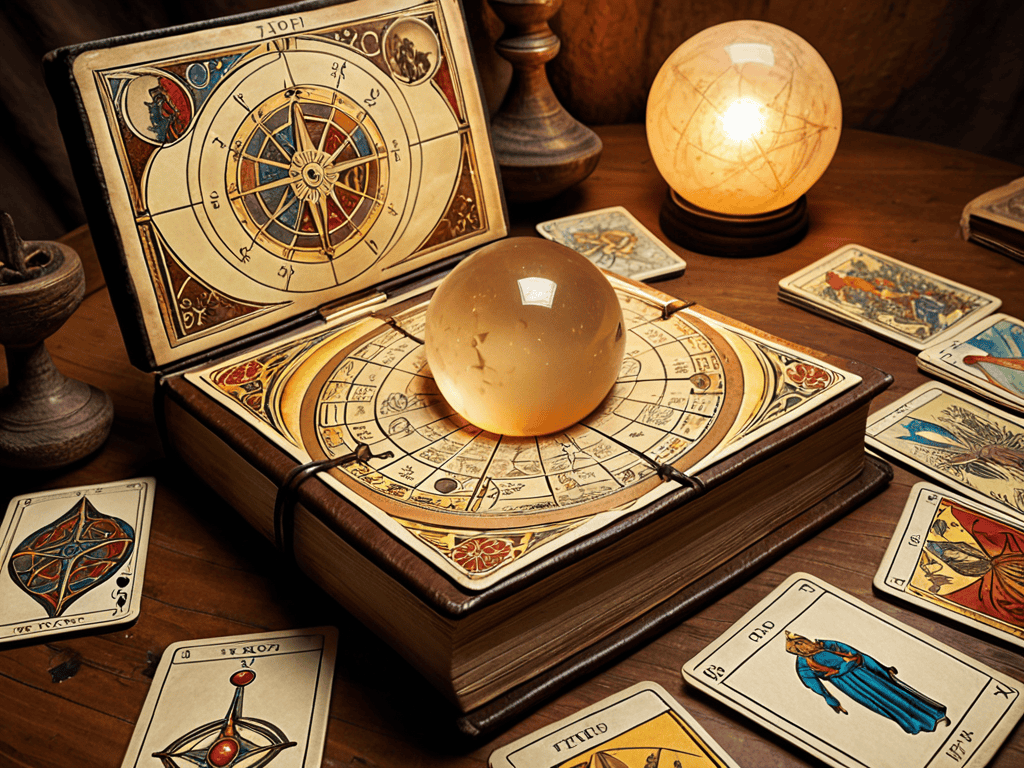
As we conclude our journey through the realm of tarot cards, it’s essential to reflect on the key takeaways from our exploration. We’ve delved into the rich history of tarot, uncovering its origins and evolution over time. We’ve also examined the symbolism and astrology that underpin the tarot practice, providing a deeper understanding of the cards and their meanings. By grasping these fundamental concepts, you’ll be well-equipped to navigate the complex world of tarot and unlock its secrets.
As you embark on your own tarot journey, remember that the true power of these cards lies not in their predictive ability, but in their capacity to tap into your subconscious and guide you toward personal growth and self-discovery. By embracing the mystical threads of tarot, you’ll not only gain a profound understanding of yourself and the world around you, but also cultivate a deeper sense of purpose and direction, illuminating your path forward.
Frequently Asked Questions
How do I choose the right tarot deck for my personal readings?
Choosing the right tarot deck is all about intuition and personal connection. Browse different decks, read reviews, and trust your instincts. You might be drawn to a deck’s artwork, theme, or energy – that’s a great starting point. Ultimately, pick a deck that resonates with you, and don’t be afraid to try out a few before committing to one that feels like home.
Can tarot cards be used for predicting future events or are they more focused on personal growth?
Tarot cards can be used for both predicting future events and personal growth, but they’re most powerful when used for self-reflection and guidance. While they can offer glimpses into what’s to come, their true strength lies in helping you understand yourself and make informed decisions to shape your own destiny.
Are there any specific tarot card combinations that are considered particularly powerful or significant?
Yes, certain tarot card combinations are believed to hold significant power. For example, the union of The Magician and The High Priestess can indicate hidden knowledge and skillful manifestation, while The Lovers paired with The Devil can signify a tumultuous relationship or inner conflict. These combinations can offer deeper insights into a reading.

Leave a Reply
You must be logged in to post a comment.