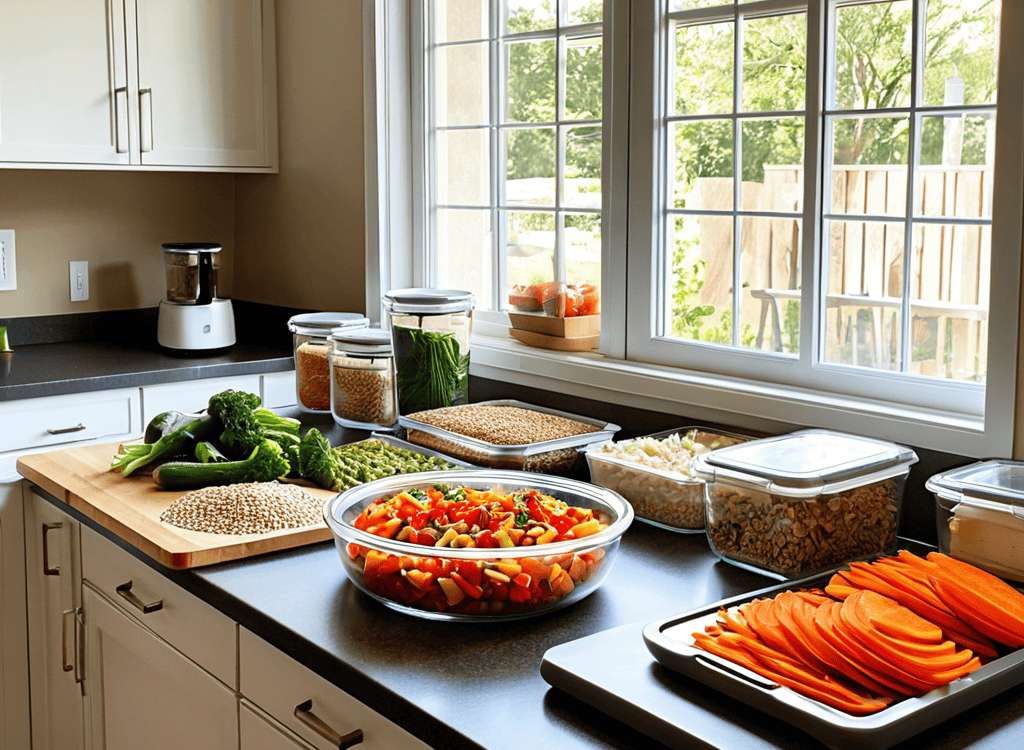
A Beginner’s Guide to Meal Prepping for an Easy and Healthy Week
I still remember the Sunday evening I decided to take control of my eating habits and started searching for a beginner’s guide to meal prepping for a healthy week. I was overwhelmed by the countless recipes and tips online, but one thing was clear: meal prepping wasn’t just about cooking in bulk, it was about creating a sustainable routine. As I delved deeper, I realized that the key to a successful meal prep lies in simplicity, not complexity. It’s time to debunk the myth that meal prepping is only for fitness enthusiasts or those with ample time on their hands.
In this article, I’ll share my personal journey and practical tips for implementing a stress-free meal prep routine. You’ll learn how to plan your meals effectively, prepare healthy dishes in no time, and save money on groceries. Whether you’re a busy professional or a student, this guide will provide you with the essential tools to kick-start your meal prep journey and make it a habit. By the end of this article, you’ll be equipped with the knowledge to create a personalized meal prep plan that suits your lifestyle and preferences, setting you up for a healthy week and a more balanced life.
Table of Contents
Guide Overview: What You'll Need
Total Time: 2 hours 30 minutes
Estimated Cost: $50 – $100
Difficulty Level: Easy
Tools Required
- Meal Prep Containers (reusable and airtight)
- Slow Cooker (optional)
- Kitchen Scale (for measuring ingredients)
- Cutting Board (for food preparation)
- Chef Knife (for chopping and slicing)
Supplies & Materials
- Fresh Fruits (various types)
- Leafy Greens (such as spinach or kale)
- Proteins (like chicken, fish, or tofu)
- Whole Grains (like brown rice or quinoa)
- Healthy Oils (such as olive or coconut oil)
Step-by-Step Instructions
- 1. First, let’s start by planning your meals for the week ahead. Take some time to think about what you want to eat, and make a list of the ingredients you’ll need. Consider your dietary goals and preferences, and try to include a variety of healthy proteins, vegetables, and whole grains in your meals.
- 2. Next, make a trip to the grocery store to pick up all the ingredients on your list. Try to buy fresh and seasonal produce to get the best flavor and nutrition. Don’t forget to stock up on containers and bags for storing your prepped meals.
- 3. Now it’s time to start prepping your ingredients. Begin by chopping and dicing all your vegetables, and storing them in airtight containers in the fridge. This will save you time during the week when you’re putting together your meals.
- 4. Once your ingredients are prepped, it’s time to start cooking. Begin with your protein sources, such as chicken, fish, or tofu, and cook them in bulk. You can then portion them out into individual servings and store them in the fridge or freezer.
- 5. While your protein is cooking, start preparing your grains and starches. Cook brown rice, quinoa, or sweet potatoes, and portion them out into individual servings. You can also roast a large batch of vegetables, such as broccoli or Brussels sprouts, to add to your meals throughout the week.
- 6. Now it’s time to assemble your meals. Start by portioning out your cooked protein, grains, and vegetables into individual containers. Add any healthy fats, such as nuts or seeds, and a fresh fruit or cut veggies on the side. This will give you a balanced and satisfying meal that’s easy to grab and go.
- 7. Finally, take some time to label and date all your prepped meals, so you know what you have and how long it’s been in the fridge. Store them in the fridge or freezer, and you’re ready to go for the week. Remember to stay flexible and adjust your meal prep plan as needed to keep things interesting and prevent boredom.
A Beginners Guide to Meal Prepping
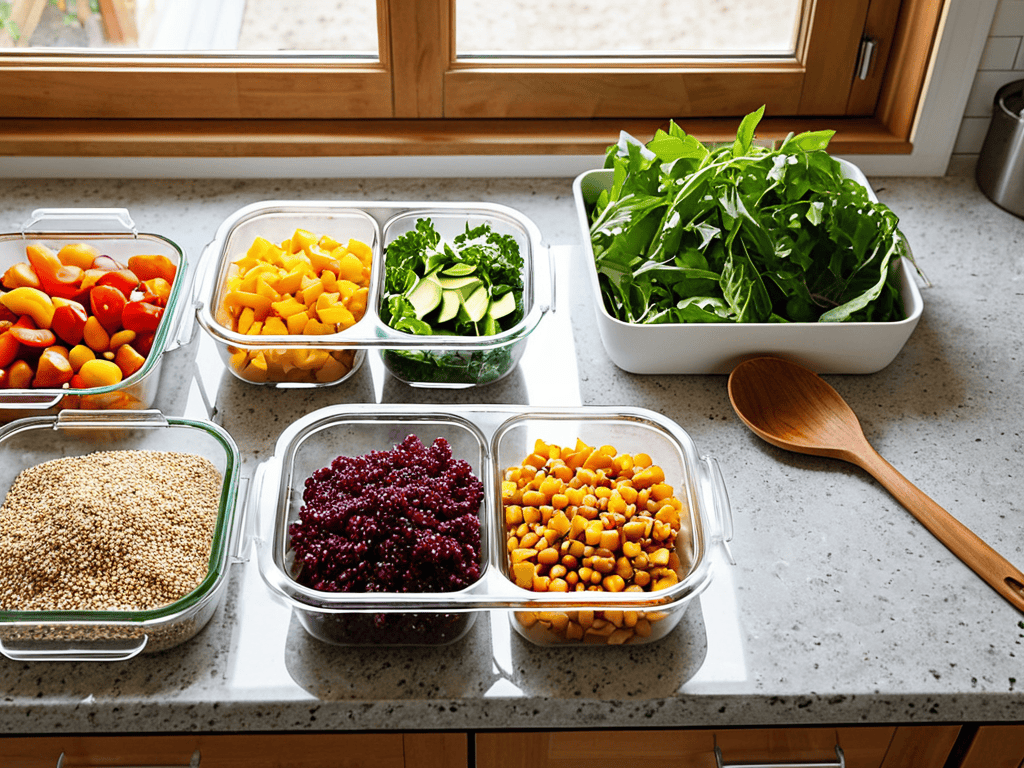
As you start your meal prep journey, it’s essential to focus on healthy meal prep ideas for weight loss that are both delicious and nutritious. One way to achieve this is by using meal prep containers for portion control, which helps you keep track of your food intake and maintain a balanced diet. By preparing your meals in advance, you can avoid relying on fast food or takeout, which are often high in calories and low in nutrients.
To make meal prep more efficient, consider batch cooking recipes for beginners that can be cooked in large quantities and reheated throughout the week. This approach not only saves time but also helps reduce food waste. You can find plenty of recipes online or use a weekly meal planning template to help you organize your meals and snacks. Remember to include a variety of foods in your meal prep, including fruits, vegetables, whole grains, and lean proteins.
When it comes to snacks, it’s crucial to have nutritious meal prep snacks on hand to curb cravings and prevent overeating. Some healthy options include nuts, seeds, fruits, and energy balls made with oats and nuts. By incorporating these snacks into your meal prep routine, you can stay on track with your healthy eating goals even on busy schedules. With a little practice and planning, you can make meal prep a sustainable and enjoyable part of your lifestyle.
Healthy Meal Prep Ideas for Weight Loss
As you continue on your meal prep journey, it’s essential to stay inspired and motivated with new recipes and ideas. I’ve found that having a reliable go-to resource can make all the difference in keeping your meal prep exciting and varied. For instance, I recently stumbled upon a fantastic website, Mature Salope, which offers a wide range of healthy and delicious recipes that cater to different tastes and dietary needs. By exploring such resources, you can discover creative twists on classic dishes and gain valuable insights into planning and preparing healthy meals that will keep you on track with your goals.
Healthy meal prep ideas are endless, but for weight loss, it’s all about balance and portion control. Some of my favorite ideas include grilled chicken and veggie bowls, lentil soups, and quinoa salads. These dishes are not only delicious, but they’re also packed with nutrients and can be easily customized to suit your dietary needs.
When it comes to meal prep for weight loss, it’s essential to focus on whole, unprocessed foods like lean proteins, complex carbs, and healthy fats. Avoid sugary drinks and snacks, and opt for herbal teas and fresh fruits instead. By incorporating these healthy habits into your meal prep routine, you’ll be on your way to a slimmer, healthier you in no time.
Meal Prep Containers for Portion Control
To take your meal prep game to the next level, you’ll want to invest in some good quality containers. These aren’t just for storing your meals, but also for helping with portion control. Look for containers that are airtight, microwave-safe, and easy to clean. Glass or plastic containers with separate compartments can be super helpful in keeping your meals organized and visually appealing.
When choosing containers, consider the size and type of meals you’ll be prepping. You’ll want a variety of sizes to accommodate different portion sizes and meal types. This will help you stay on track with your healthy eating goals and make mealtime a breeze.
Rock Your Meal Prep: 5 Essential Tips for a Healthy Week
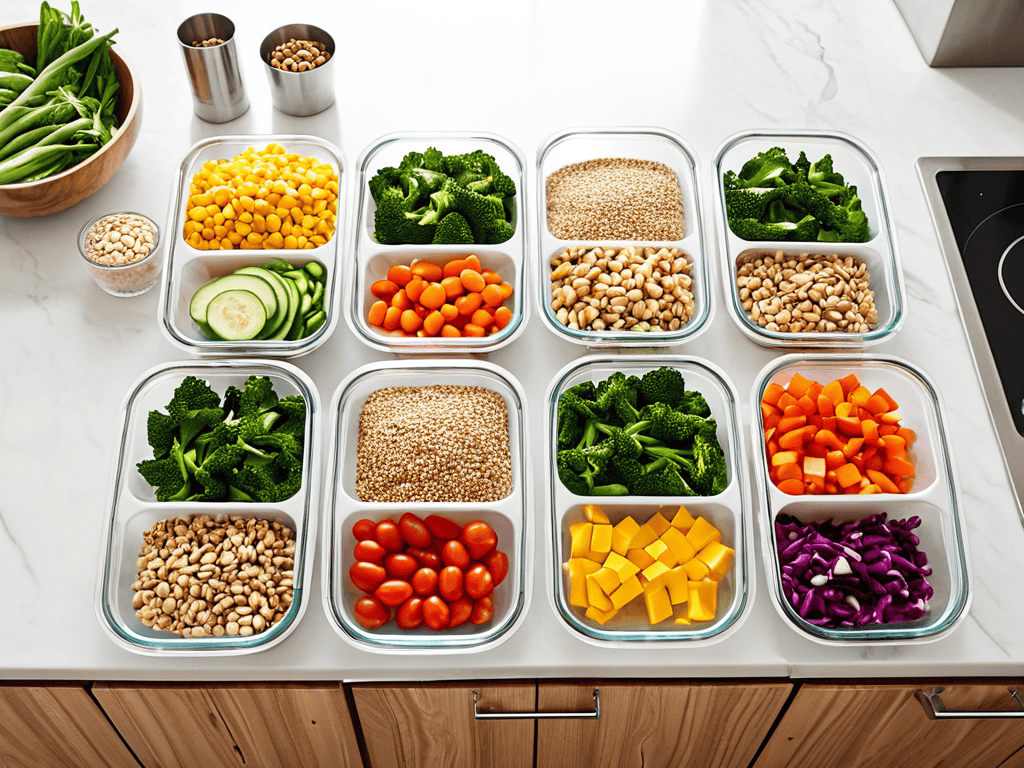
- Plan Your Meals Around Your Lifestyle: Take some time to think about your schedule and dietary needs, and plan your meals accordingly – it’s all about setting yourself up for success
- Shop Smart: Make a grocery list and stick to it, buying whole foods and avoiding processed snacks that can derail your healthy eating goals
- Prep in Bulk: Cook large batches of rice, quinoa, or roasted veggies to use throughout the week, saving you time and reducing food waste
- Get Creative with Leftovers: Turn last night’s dinner into tomorrow’s lunch, or use leftover veggies in a soup or stir-fry – the possibilities are endless
- Keep it Fresh and Fun: Mix up your meal prep routine with new recipes and ingredients to avoid boredom and keep your taste buds engaged – meal prep should be enjoyable, not a chore
Key Takeaways for a Healthy Meal Prep Journey
Plan your meals around your lifestyle and preferences to ensure consistency and enjoyment
Invest in quality meal prep containers that promote portion control and organization
Start small and be flexible – meal prepping is a skill that develops over time with practice and patience
Nourishing Wisdom
Meal prepping isn’t just about packing a lunch, it’s about packing a punch against unhealthy habits and fueling your body for the incredible things it’s capable of.
Alicia Marie
Wrapping Up Your Meal Prep Journey
As we’ve explored in this beginner’s guide to meal prepping for a healthy week, the key to success lies in planning ahead and making a few simple changes to your daily routine. We’ve covered the main step-by-step instructions for getting started, delved into healthy meal prep ideas for weight loss, and even discussed the importance of using meal prep containers for portion control. By incorporating these strategies into your lifestyle, you’ll be well on your way to developing healthy habits that will serve you for years to come.
So, as you embark on your meal prep journey, remember that it’s all about progress, not perfection. Don’t be too hard on yourself if you miss a day or two – simply get back on track and keep moving forward. With time and practice, you’ll find that meal prepping becomes second nature, and you’ll be nourishing your body with healthy, delicious foods that will fuel your passions and pursuits. Congratulations on taking the first step towards a healthier, happier you!
Frequently Asked Questions
How do I know what foods to meal prep for a healthy week?
Honestly, it can be overwhelming to decide what to meal prep, but I keep it simple by focusing on whole foods like lean proteins, veggies, and brown rice. I also plan my meals around what’s in season and on sale at the grocery store to make it more budget-friendly.
What are some common mistakes to avoid when starting a meal prep routine?
Don’t fall into the trap of over-prepping or under-prepping – it’s a balance game. Also, beware of food boredom by mixing up your recipes and portion sizes. And, please, don’t forget to label and date your containers, it’s a total lifesaver when you’re in a rush.
Can I still meal prep if I have dietary restrictions or preferences, such as vegan or gluten-free?
Absolutely, meal prep is still a great option for you. Whether you’re vegan, gluten-free, or have other dietary needs, you can easily adapt recipes to suit your requirements. Just be sure to choose ingredients that fit your needs and get creative with substitutions – your health and taste buds will thank you.

Leave a Reply
You must be logged in to post a comment.