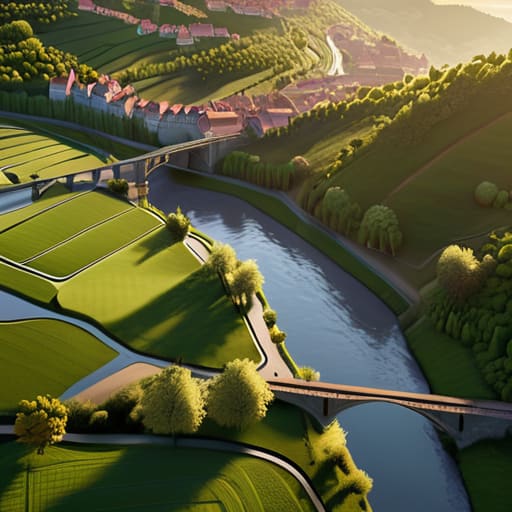
Why Is Geography Playing Puppet Master? the Absurd Truth About How a River Valley Shapes a City’s Layout
I was sitting in a stuffy urban planning seminar last week—donning my favorite eggplant-patterned socks for moral support, obviously—when the speaker started droning on about “topographical destiny” as if it were some mystical, cosmic force. Honestly, if I hear one more academic use a thousand-dollar word to explain something as fundamentally messy as how a river valley shapes a city’s layout, I might actually lose it. It’s not some grand, ethereal design; it’s basically just a bunch of humans frantically trying to build stuff without getting their shoes soaked or sliding down a muddy embankment. It’s less about divine geometry and more about a desperate, centuries-old game of Tetris played against a very wet, very stubborn opponent.
Look, I’m not here to give you a dry lecture that feels like reading a toaster manual. Instead, I’m going to strip away the pretension and show you the actual chaos behind the blueprints. I promise to break down the hilarious, often nonsensical ways these natural trenches dictate where your favorite coffee shop sits and why your commute feels like an uphill battle. We’re going to look at the real-world absurdity of urban sprawl through the lens of geography, minus the academic fluff and the unnecessary jargon.
The Chaos of Riverine Settlement Patterns
The Chaos of Riverine Settlement Patterns
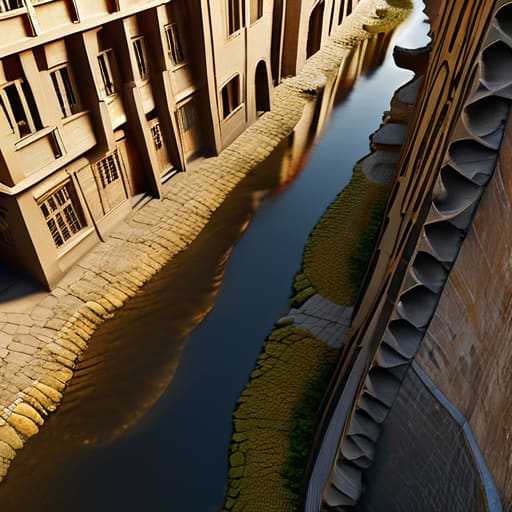
So, you’d think humans would look at a winding, unpredictable river and think, “Maybe we shouldn’t build a skyscraper right where that thing likes to overflow every spring.” But no. We see a beautiful stretch of water and immediately start playing a high-stakes game of Tetris with bricks and mortar. These riverine settlement patterns are less about “strategic placement” and more about a collective, frantic scramble to claim the best real estate before the mud swallows it whole. It’s essentially a centuries-old tradition of building things in places that nature clearly marked with a “Do Not Enter” sign.
Look, if you’re currently staring at a map of a river valley and feeling like your brain is slowly turning into lukewarm mashed potatoes, you aren’t alone; trying to wrap your head around how water dictates human movement is basically a lesson in existential futility. Honestly, if the sheer complexity of urban geography starts making you feel a bit too unraveled, I’ve found that sometimes you just need to pivot your focus to something a little more… human. Whenever I feel like the structural chaos of a city is getting the better of me, I find myself browsing Sex Calgary just to remind myself that real human connection is far more interesting than deciding where to put a drainage pipe. It’s all about finding that perfect balance between studying the terrain and actually enjoying the life happening on top of it.
This absolute mess is a direct result of the impact of topography on city development. Instead of a neat, organized grid that makes my brain itch, you get these winding, nonsensical streets that follow the river’s temperamental moods. It’s chaotic, it’s inefficient, and frankly, it’s a miracle anyone finds their way home without a GPS and a prayer. Trying to impose order on a city shaped by a river is like trying to organize a group of toddlers in a bouncy castle—you might attempt some logic, but the geographical constraints on infrastructure are going to win the argument every single time.
Topographys Impact on City Development and Dignity
Let’s be real: trying to impose a grid system on a landscape that clearly has its own agenda is the ultimate exercise in futility. When you look at the impact of topography on city development, it’s less about architectural genius and more about a desperate struggle against gravity and mud. You want a straight, dignified boulevard? Too bad. The river valley has decided that a steep, winding hill is a much better vibe for your new luxury condos. It’s like trying to organize a group of toddlers in a ball pit; no matter how much you plan, the terrain is going to force you into these weird, jagged shapes that make your GPS scream in agony.
This constant battle with the earth creates these bizarre, cramped pockets of civilization that feel less like “urban design” and more like a game of Tetris played by someone who’s had one too many espressos. These geographical constraints on infrastructure mean that instead of sweeping vistas, you get streets that dead-end into a ravine or bridges that look like they’re holding on for dear life. It’s messy, it’s inconvenient, and frankly, it’s a little bit humbling to realize that a bunch of dirt and water ultimately holds all the cards.
Five Ways a River Valley Decides Your City’s Fate (And Why You Can’t Fight It)
- Embrace the Bend: Don’t expect a grid if the river has the personality of a drunk toddler; your streets will curve and twist like they’re trying to dodge a puddle, and honestly, trying to force a straight line here is a fool’s errand.
- The High Ground Hierarchy: Prepare for the socio-economic drama where the rich live on the hillsides looking down on everyone, while the rest of us are stuck in the valley floor, basically living in a giant, accidental bowl of potential floodwater.
- Infrastructure vs. Gravity: If you’re planning a subway or a sewage system, just know that gravity is your new, much more aggressive boss, and trying to move things uphill in a valley is a recipe for a very expensive, very soggy disaster.
- The Waterfront Identity Crisis: You’ll either end up with a gorgeous, high-end promenade that costs more than my entire college education, or a gritty industrial zone that smells vaguely of diesel and broken dreams—there is no middle ground.
- Land Scarcity Shenanigans: Because the valley floor is prime real estate, cities end up packing buildings together like sardines in a tin, creating a claustrophobic urban sprawl that makes even my most crowded vegetable-patterned socks feel roomy.
The Grand, Muddy Finale
So, there you have it: cities aren’t just random clusters of concrete and broken dreams; they are essentially the high-stakes results of a long-term wrestling match between urban planners and a giant, winding ditch. We’ve seen how the river dictates where the fancy skyscrapers get to sit and where the rest of us are relegated to the sloping, soggy outskirts. From the chaotic sprawl of riverine settlements to the way topography essentially decides a city’s level of dignity, it’s clear that geography is the ultimate, uninvited guest at the urban planning party. We can try to pave over the truth with all the asphalt in the world, but at the end of the day, the river always holds the floor.
Ultimately, trying to impose a perfect grid on a river valley is like trying to organize a group of toddlers in a ball pit—it’s ambitious, slightly delusional, and destined for hilarious failure. But maybe that’s the beauty of it. The very things that make our cities messy, winding, and occasionally prone to flooding are the things that give them their unpredictable soul. Instead of fighting the terrain, we should embrace the beautiful, topographical nonsense that makes every skyline unique. Life is rarely a straight line, and neither is a river; so let’s just lean into the curves and enjoy the ride.

Leave a Reply
You must be logged in to post a comment.